
Leadership-programme-for-women-in-oncology
Cross city project

Leadership programme for women in oncology

Closing gender disparities in the healthcare sector and enhancing the capacity of women oncologists to lead change
Project lead
CM
Areas of action

The challenge

Women represent almost 70% of the global health and social workforce, but it is estimated they hold only 25% of senior roles. This statistic is not simply evidence of lingering inequality; it is also a barrier to the creation of lasting cancer care capacity at local level. A growing body of evidence, supported by experiences from City Cancer Challenge’s (C/Can) first round of cities, has shown that committed, competent leaders with ‘ownership’ of a project can be a differential factor between those initiatives that last over time and those that do not.
Across C/Can cities, women oncologists have played a key role in the city engagement process, for example as members of the technical working groups, representing participating institutions, and analysing needs assessment data in their respective area of expertise. To build on this achievement and further leverage transformational local engagement, this proposal seeks to empower women to thrive as leaders in their cities and enable others to drive change, based on a common vision of a world with quality, equitable cancer care for all.

The goal

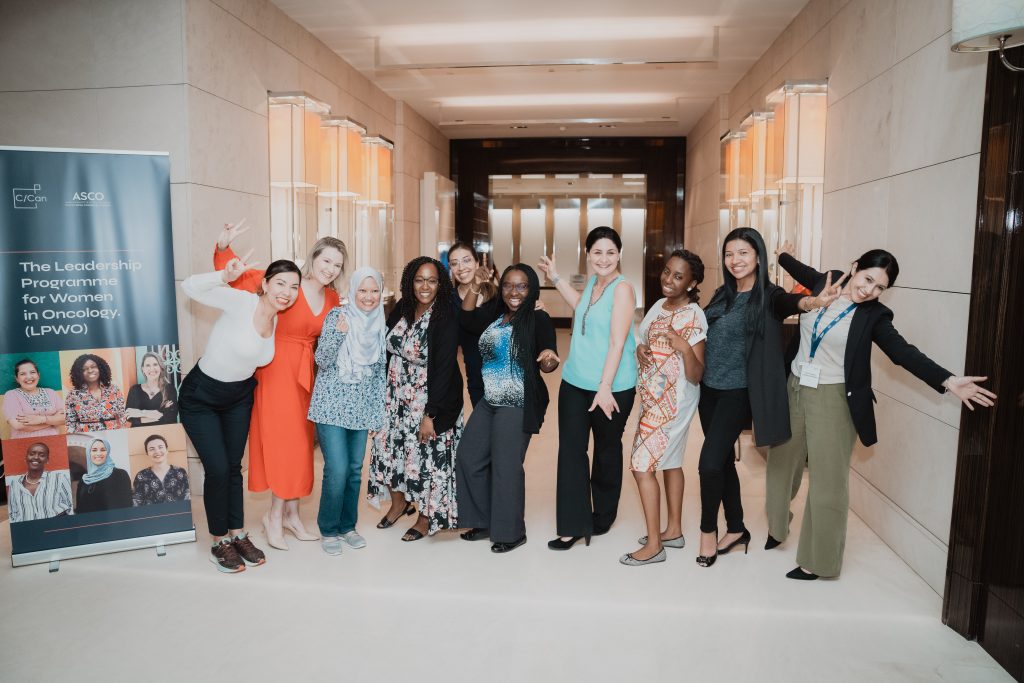
The Leadership Programme for Women in Oncology, delivered in partnership with the American Society of Clinical Oncology (ASCO), will help to prepare mid-career female oncologists in low and middle income countries (LMICs) to lead change in the cancer care sector by increasing their leadership impact and creating lasting personal and professional change. This programme will foster the creation of a network of women leaders in cancer care, who can in turn pave the way for a new generation of women.
The programme will focus on the strengthening of key power skills for change-makers, such as “critical thinking, problem-solving, communication, leadership, adaptability, and emotional intelligence.

How

By bringing together 10 women oncologists from C/Can cities: Cali (Colombia), Asuncion (Paraguay), Kumasi (Ghana), Kigali (Rwanda), Tbilisi (Georgia), Porto Alegre (Brazil), Greater Petaling (Malaysia), Leon (Mexico), Arequipa (Peru) and Nairobi (Kenya). These oncologists will take part in a blended learning programme, combining in-person and virtual meetings, for a total of nine months.
The programme will start with a face-to-face meeting in Geneva, at the World Cancer Congress (18-20 October 2022), where participants will have the chance to meet the rest of the cohort, meetmentors, and start working on their projects.
For the following six months, participants will join six virtual sessions (one per month) hosted by ASCO on a diverse range of topics to strengthen leadership mindsets and power skills. During these sessions, participants will have the opportunity to engage with inspiring experts and leaders selected by C/Can and ASCO. The course will close with a second face-to-face training session at the 2023 ASCO Annual Meeting in Chicago. During this meeting, participants will present their small group projects and will receive their completion certificates.
Once the programme is complete, graduates will have the opportunity to enrol in inter-generational mentorship support with ASCO Alumni for the following six months. This mentorship support is intended to provide expert guidance and advice to graduates on how to apply learnings in practice as well as feedback and support on ideas, innovative approaches or projects to advance cancer treatment and care in their cities.

Outputs

  • Leadership program for women in oncology.
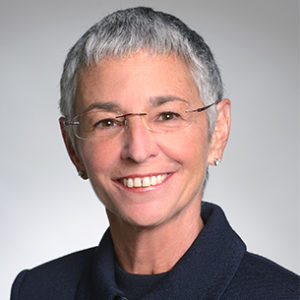
Jamie H. Von Roenn

ASCO is committed to leadership and the healthcare workforce in low-and middle-income countries. This programme reflects our dedication to empowering and strengthening the healthcare workforce.

Jamie H. Von Roenn
Vice President of Education Science and Professional Development at ASCO

Related projects

View all
León, Mexico

Patient Navigation Programme

Developing Patient Navigation Programmes to Improve Access to Cancer Care in Léon and Mexico City

León, Mexico

Health Systems and Management

Improving Cancer Care Continuity Through Collaborative Health Systems Coordination in León

León, Mexico

Capacity Development for radiotherapy in León

Improving Radiotherapy Quality in Léon

León, Mexico

Improving access to paediatric cancer care in León

Developing capacities for the timely detection of childhood cancer and treatment-related complications

León, Mexico

Information Systems and Data in Léon

Strengthening Cancer Data & Information Systems in León for Coordinated and Quality Cancer Care

León, Mexico

Supporting cancer surgery specialization

Standardisation of Cancer Surgery and Multidisciplinary Surgical Management for Colorectal, Breast Cancer in León, Mexico

León, Mexico

Quality and Multidisciplinary teams

Advancing Quality Cancer Care Through Multidisciplinary Practice in León

León, Mexico

Increasing access to palliative care services

Increasing Access to Quality Palliative Care Throughout León’s Health System, and Developing a Comprehensive Training Programme

León, Mexico

Innovative financing models for breast cancer patients in Leon

Understanding Out-of-Pocket Expenses for Breast Cancer Patients to Improve Financial Coverage in the State of Guanajuato

León, Mexico

Improving the quality of pathology services in Leon

Improving Pathology Diagnosis in Léon

Tbilisi, Georgia

Plan Cancer Registry II

Strengthening Data Quality and Completeness of the Tbilisi Cancer Registry

Tbilisi, Georgia

Implementation Requirements for quality cancer care

Strengthening Policy and Regulatory Frameworks for Quality and Medical and Surgical Oncology in Tbilisi

Tbilisi, Georgia

Quality cancer management

Enhance the quality of cancer treatment, rehabilitation and supportive care.

Tbilisi, Georgia

Timely and quality cancer diagnostics

Ensuring timely delivery of quality breast cancer diagnostic services.

Tbilisi, Georgia

Early Cancer Diagnosis

Public awareness and primary healthcare training to improve cancer diagnostics.

Cookie notice

This website uses its own and third-party cookies to improve the browsing experience. Read the Cookies Policy.