Improving cancer care for children requires more than new facilities. It requires systems that connect diagnosis to treatment, institutions that share information, and care pathways that work consistently, regardless of which hospital a child first walks into. It means creating a more connected, compassionate journey that supports children and their families while navigating cancer.
In May 2026, the city of Rosario inaugurated the newly renovated Paediatric Oncology Day Hospital at the Víctor J. Vilela Children’s Hospital, a 200 square metre facility built through a collaboration between the Municipality of Rosario, the Vilela Hospital Foundation, and a nationwide public fundraising campaign that mobilised nearly 167,000 donors. The space was designed around the experience of children undergoing treatment: chemotherapy booths, a procedure room, a playroom, and environments that acknowledge that healing is more than just clinical.
This new facility represents much more than an infrastructure investment. It reflects our commitment to ensuring that every child with cancer in Rosario receives care that is timely, coordinated, and centred on their needs. Our challenge now is to continue strengthening the system around the patient, connecting institutions, professionals, and information so that no child falls through the gaps.
Dr Soledad Rodríguez , Municipal Secretary of Health, Rosario.
Connecting cities to global expertise
The Municipal Secretary of Health, Dr Soledad Rodríguez, and Mayor Pablo Javkin used the occasion to ask what systemic changes were still needed to ensure children in Rosario received the best possible cancer care.
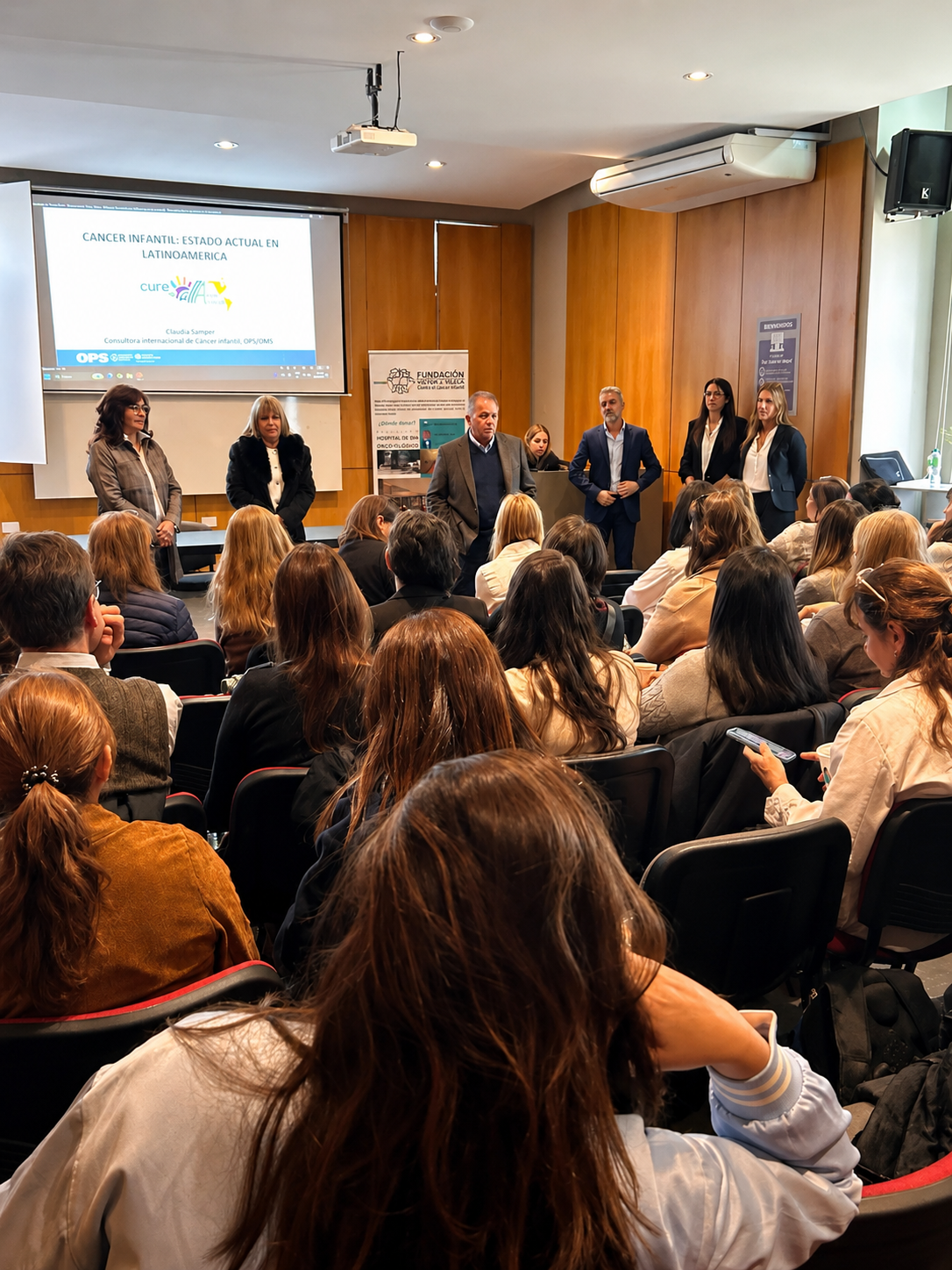
At the city’s request, City Cancer Challenge (C/Can) connected Rosario’s health leadership with the Pan American Health Organization (PAHO), which nominated Dr Claudia Sampor, a leading regional reference in paediatric oncology and childhood cancer policy in Latin America, to join the city for a dedicated knowledge exchange. Alongside representatives from Argentina’s National Cancer Institute, Dr Sampor led discussions on regional public health policies in childhood cancer, recent PAHO initiatives across Latin America, and ongoing developments within Argentina itself.
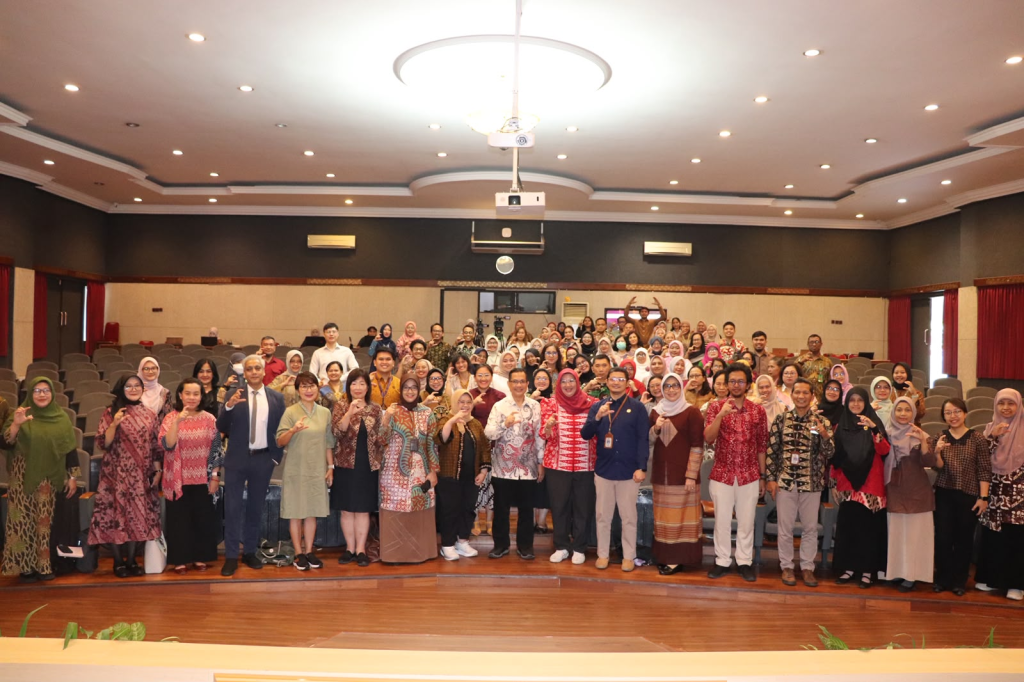
Around 50 healthcare professionals from Vilela Hospital, an exclusively paediatric institution, participated in a session that was open, technically substantive, and oriented firmly toward action.
That this collaboration was directly requested by Rosario’s city leadership reflects the institutional trust built between C/Can and the city through years of working together on Rosario’s cancer care system and demonstrates how that relationship enables C/Can to go beyond programme implementation, connecting cities to the international knowledge and networks they need to keep moving forward.
C/Can and Rosario: the next chapter for childhood cancer
Through the partnership with C/Can, Rosario is implementing a dedicated project to map the full paediatric oncology patient journey, from the first suspicion of illness through to diagnosis, treatment, and follow-up care.
The work will support in reconstructing care pathways across institutions, identify where delays occur and where coordination breaks down, and bring together evidence from healthcare providers, patients and families, payers, and civil society. Findings will be validated with city and provincial authorities, producing a clear, evidence-based picture of how paediatric cancer care works in Rosario today, and a platform from which to design the improvements that will make it work better for every child tomorrow.
Rosario has already demonstrated what is possible when a city commits fully to a shared purpose. The next step is ensuring that commitment is matched by systems strong enough to sustain it, so that every child, regardless of which institution they first reach, moves through a care pathway that is coordinated, timely, and built around their needs.
Rosario has shown that meaningful change happens when infrastructure investments are accompanied by collaboration, data, and a shared vision. Through the paediatric patient journey project, we aim to generate the evidence needed to strengthen coordination across the system and improve outcomes for children and their families.
Dr Leandro Duarte, City Manager, C/Can