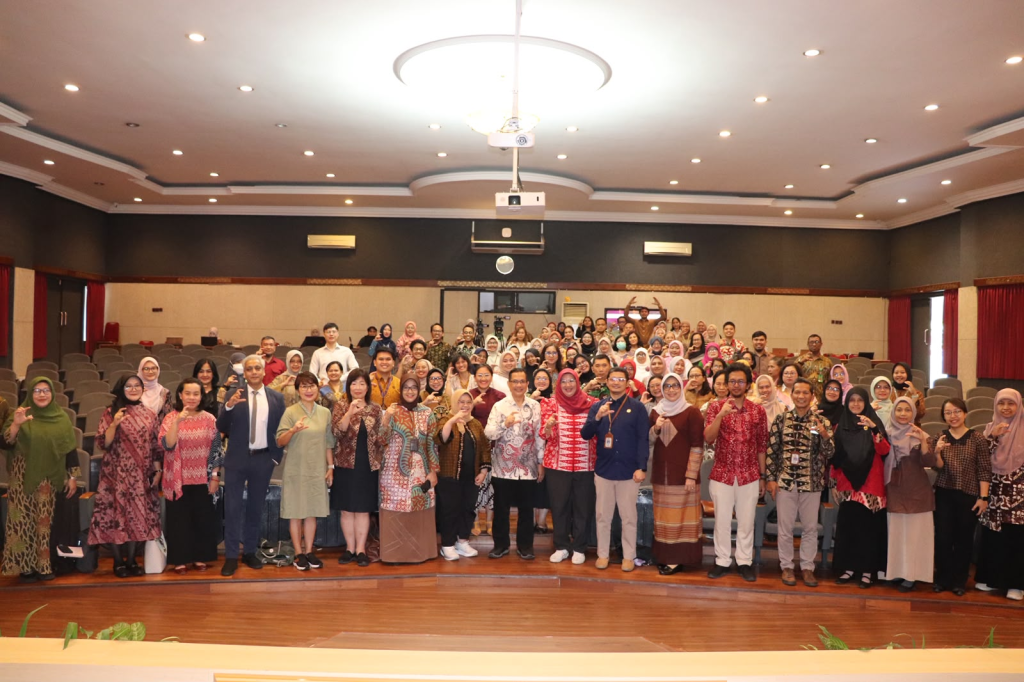
Breast cancer is the most common cancer among women in Vietnam, accounting for roughly one in every seven new cancer cases. Recognising this urgency, the Ministry of Health has developed a 10-year Action Plan for Breast and Cervical Cancer Prevention and Control (2026–2035), a comprehensive framework setting shared goals for the country.
To support this vision at city level, City Cancer Challenge (C/Can) is partnering with the Vietnam National Cancer Institute (VCNI) to launch a breast cancer initiative in Da Nang. Together, they will develop a city-level Breast Cancer Action Plan (BCAP), grounded in C/Can’s structured engagement model and aligned with both the National Action Plan and the World Health Organization’s Global Breast Cancer Initiative (GBCI) Framework.
After thorough due diligence, Da Nang has been selected as a model city for this programme, the first in Vietnam to apply C/Can’s proven city engagement approach to breast cancer. Da Nang’s selection followed a comprehensive readiness assessment evaluating local leadership, partnerships, and health system capacity, confirming the city’s commitment and preparedness to drive meaningful change. The initiative is supported by Roche Pharma Vietnam.
Vietnam has set an ambitious national vision for breast cancer prevention and control, and we are committed to turning that vision into action at every level of the health system. Our collaboration with C/Can brings together global expertise and local knowledge in a way that is genuinely complementary and Da Nang is where that partnership becomes real. By building a city-level model that is evidence-based, stakeholder-led, and aligned with national priorities, we are creating something that can benefit women across the country.
Dr Tran Thi Thanh Huong, Vice Director of the Vietnam National Cancer Institute; Director of Supportive Fund for Cancer Patients – Bright Future.
Aligning national vision with local action
C/Can will work alongside the Vietnam National Cancer Institute, the Ministry of Health, and local partners in Da Nang to co-create an actionable roadmap for breast cancer care. Through stakeholder mapping, needs assessment and action planning, the initiative will identify system gaps, set shared priorities, and design targeted interventions to improve outcomes, ensuring local stakeholders shape every step.
The programme will support the rollout of the National Action Plan at city level and Da Nang’s experience will generate valuable lessons for cities across the country.
Creating a model for long-term transformation
This initiative is about building capacity for lasting impact. By training local teams, fostering cross-institutional collaboration, and embedding C/Can’s technical frameworks into city systems, Da Nang will demonstrate how evidence-based, locally driven approaches can advance national cancer goals.
Crucial to this sustainable impact is the support of Roche Pharma Vietnam, a global innovative pharma leader and long-term partner that has sponsored the country’s Annual Breast Cancer Awareness & Access initiatives for 13 years, reinforcing its enduring commitment to strengthening local health systems and transforming patient outcomes.
Da Nang’s blueprint will be available for other Vietnamese cities to replicate and adapt, ensuring that advances in cancer care are shared, scaled, and sustained.
When we strengthen city systems, we’re not just solving immediate challenges, we’re creating models that can guide national change. The work in Da Nang is about building the local capacity, tools, and infrastructure that can fuel long-term improvements in cancer care across Vietnam.
said Mathieu Morand, Director of C/Can Horizon.
*Launched in 2021, the WHO GBCI Framework aims to reduce global breast cancer mortality by 2.5% annually, potentially saving the lives of an estimated 2.5 million women over the next 20 years. This Framework offers resource-adaptable, sustainable strategies designed to strengthen health systems and reduce inequalities in cancer care, especially in Low- and Middle-Income Countries (LMICs). Since 2023, the World Health Organization (WHO) is partnering with C/Can for the implementation of the GBCI Framework.