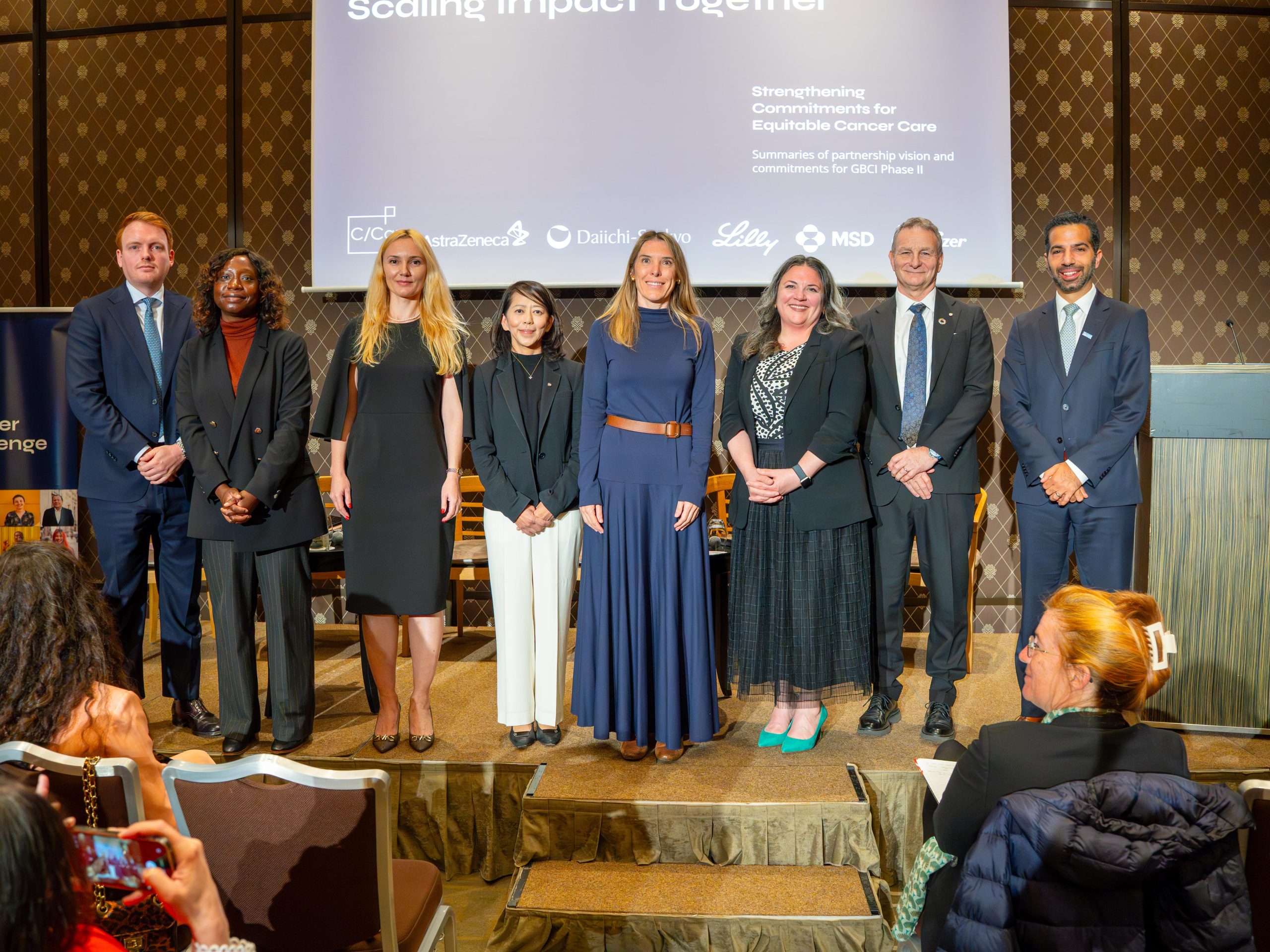
Geneva, May 18, 2026 – The World Health Organization (WHO) and City Cancer Challenge (C/Can) announced today an extension of their collaboration to implement the WHO Global Breast Cancer Initiative (GBCI) in LMICs. Building directly on three years of evidence*, the partnership will now expand into new cities and geographies, apply its implementation methodology across new and varied contexts, and strengthen the data systems needed to advance equitable, responsive cancer care systems so that where a woman lives no longer determines her chance of surviving breast cancer.
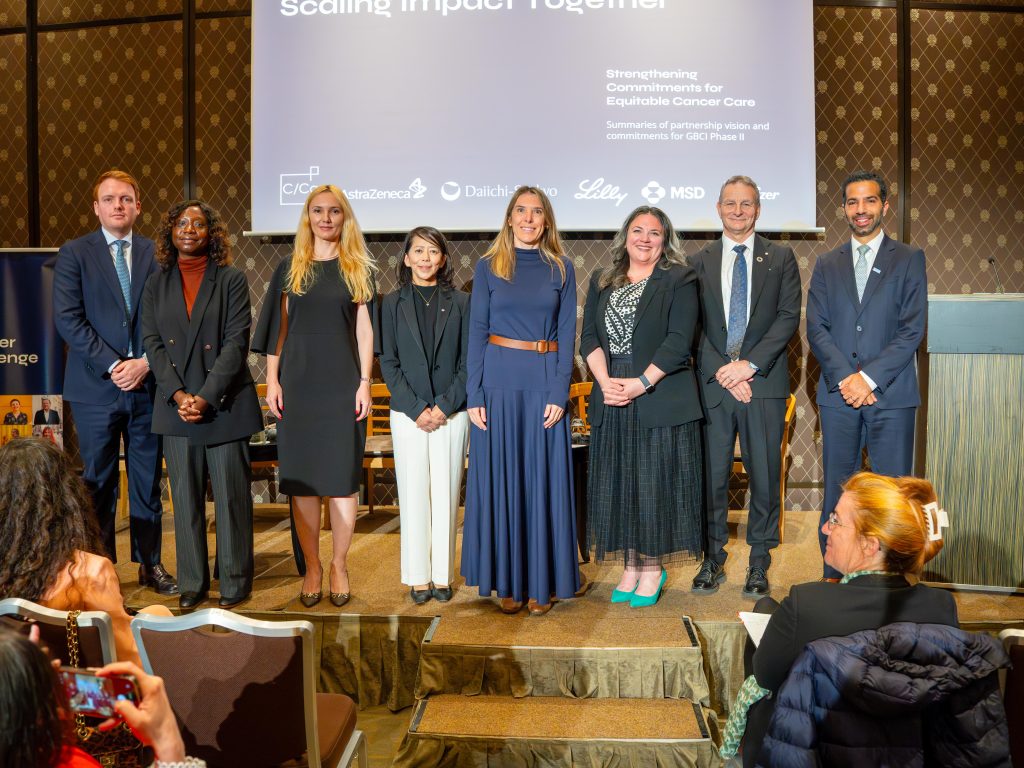
The expansion is made possible by the commitment of five supporters, AstraZeneca, Eli Lilly and Company, Daiichi Sankyo, MSD and Pfizer, whose support enables the scaling of the partnership to reach more women in low-and middle-income countries (LMICs), running from 2026 to 2028. AstraZeneca’s and MSD’s decisions to extend their engagement for three additional years reflects confidence in both the model and the momentum it has generated.
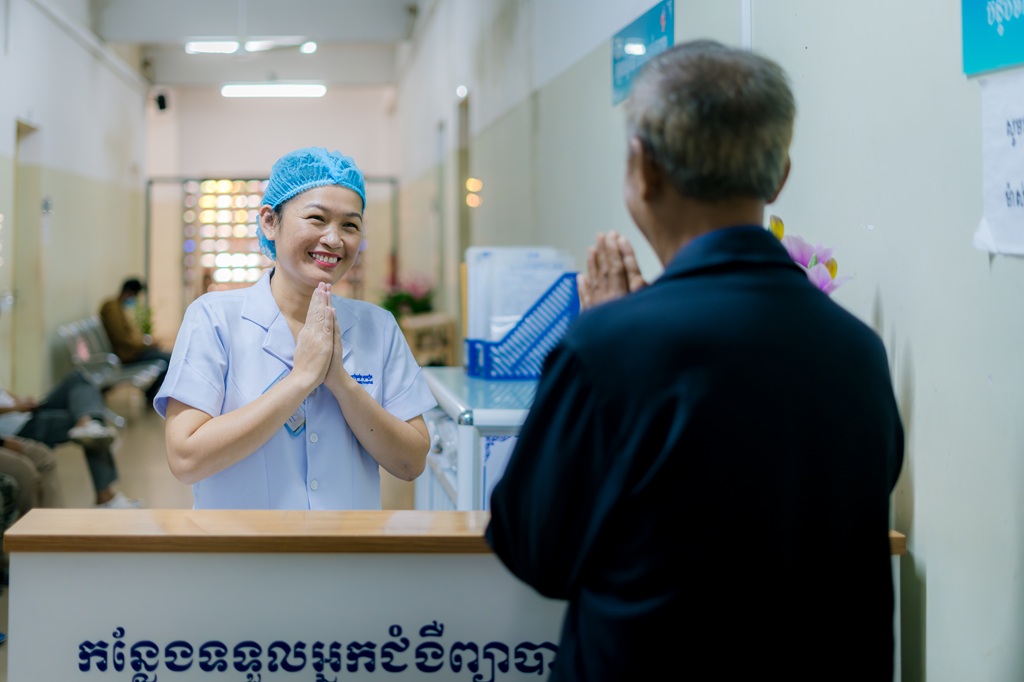
The progress across Tbilisi, Cali, Phnom Penh and Kumasi shows that cities in LMICs can drive lasting, systemic change in breast cancer care. Extending this partnership means taking what we’ve learned together and applying it in more places, for more women. This is exactly what we set out to do.
said Isabel Mestres, CEO, C/Can.
From Proof of Concept to Scalable Systems Transformation
When the WHO and C/Can partnership launched their collaboration in 2023, the ambition was clear: close the gaps between global standards and local realities, systematically and sustainably. Three years on, the results speak for themselves. Across four cities, Tbilisi (Georgia), Kumasi (Ghana), Cali (Colombia) and Phnom Penh (Cambodia), the partnership has:
- Developed four locally-led Breast Cancer Action Plans with government endorsement
- Convened national policy dialogues in Tbilisi and Kumasi to integrate BCAP recommendations into cancer control plans.
- Engaged 60 health institutions and trained over 450 healthcare and primary care workers.
- Reached more than 81,800 female cancer patients
- Secured in-hospital oncology pharmacies, strengthened referral systems, and shaped national cancer emergency plans
- Produced a Generic BCAP template and implementation guide now available for adaptation globally
The partnership diagonal approach, working simultaneously upward into national policy and downward into communities, has proven its value as a model for translating international standards into local health system action at the level where patients experience it.
The Global Breast Cancer Initiative gave the world a framework — clear targets, evidence-based pillars, and a shared definition of what equitable breast cancer care should look like. But a framework only matters when it reaches the women it was designed to serve. Valued partners like C/Can have been the engine of that delivery, translating GBCI’s global standards into city-level systems that improve lives. Extending this partnership is how we move from a framework on paper to care in practice — at scale, and in the places where the need is greatest.
said Dr André Ilbawi, Team lead for cancer at the World Health Organization (WHO).
Accelerating Impact
The partnership will shift to accelerated implementation, with a sharper focus on measurable outcomes and sustainable change.
Work will advance through three interconnected workstreams: strengthening governance and planning capacity at national and subnational levels; delivering standardised, context adapted packages of breast cancer services across early detection, diagnosis and treatment; and building the data systems needed to monitor outcomes, drive continuous improvement, and scale what works.
This new chapter will work towards the same strategic pillars set by the WHO Global Breast Cancer Initiative: health promotion for early detection, timely breast diagnosis and comprehensive breast cancer management.
The Power of Cross-Sector Collaboration
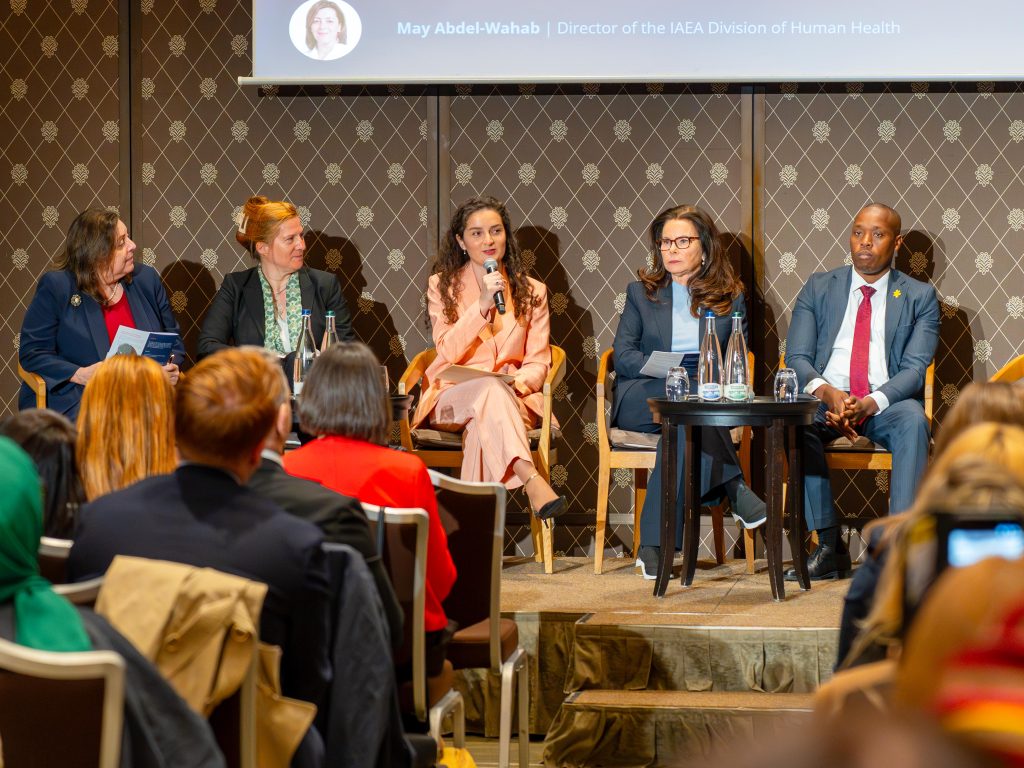
A defining feature of this partnership has been its deliberately cross-sector architecture. By bringing together organisations with diverse mandates, capabilities and perspectives, the collaboration has demonstrated how sustained, cross-sector collaboration can unlock long-term equitable access to cancer care for women and ultimately support strengthened policy development that reflects the lived experience of women with cancer. WHO’s normative authority and C/Can’s city-level implementation expertise are complemented by scientific, technical and financial contributions committed to closing the gap between what is known and what is delivered.
This model has pushed traditional partnership boundaries and offers a replicable blueprint for addressing other pressing global health challenges. The expansion of the partnership reflects growing recognition that durable change in cancer care requires sustained, coordinated action across sectors.
*Phase I of the partnership (2023–2026) was made possible through the generous support of Amgen, AstraZeneca, Bristol Myers Squibb and MSD.