Improving access to quality cancer care is not a problem that a single organisation can solve alone. It demands strong health systems, the alignment of stakeholders across sectors, and the kind of sustained, trust-based collaboration that takes years to build.
This is precisely what City Cancer Challenge (C/Can) and Bristol Myers Squibb (BMS) have been doing together since 2020.
What began as a shared commitment to addressing systemic barriers to cancer care in low- and middle-income countries (LMICs) has grown significantly over the last five years and is generating practical tools, real-world evidence, and lasting change in cities that need better cancer care. Now, as the collaboration enters a new phase in 2026, that work is extending to Abuja, Nigeria, a city confronting one of the most urgent cancer burdens on the continent.
From Policy Gaps to Patient Outcomes
The collaboration’s early work was grounded in a simple but consequential insight: that even where clinical capacity exists, systemic and policy barriers often prevent patients from accessing care. For example, in some settings, cancer diagnostic services such as pathology or imaging can be technically available, yet remain out of reach for patients when they are not covered under national health insurance schemes. Without affordable access to diagnosis, patients may never enter the treatment pathway, highlighting how strengthening health systems and policy frameworks is essential to improving cancer outcomes.
In 2022, C/Can and BMS collaborated on the development of a Policy Landscape Assessment methodology, a structured tool to help cities map the regulatory environment shaping cancer care delivery, identify bottlenecks, and open pathways for reform. Demonstrated first in Tbilisi, Georgia, the methodology gave local stakeholders a shared language for understanding what was getting in the way, and a starting point for changing it.
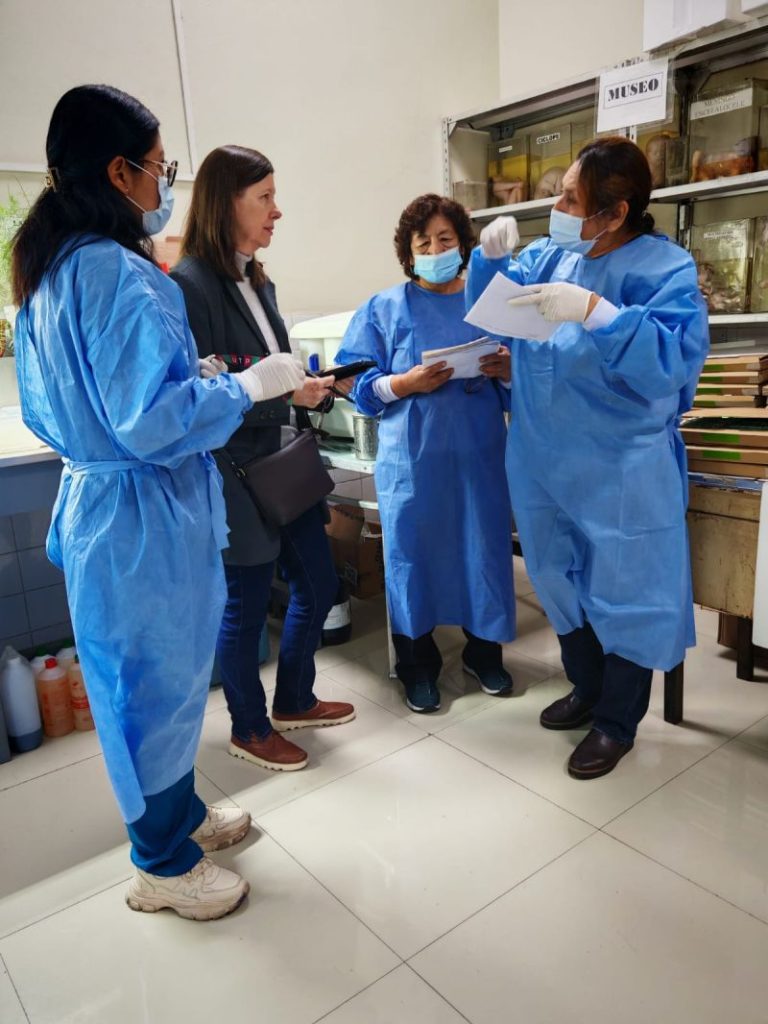
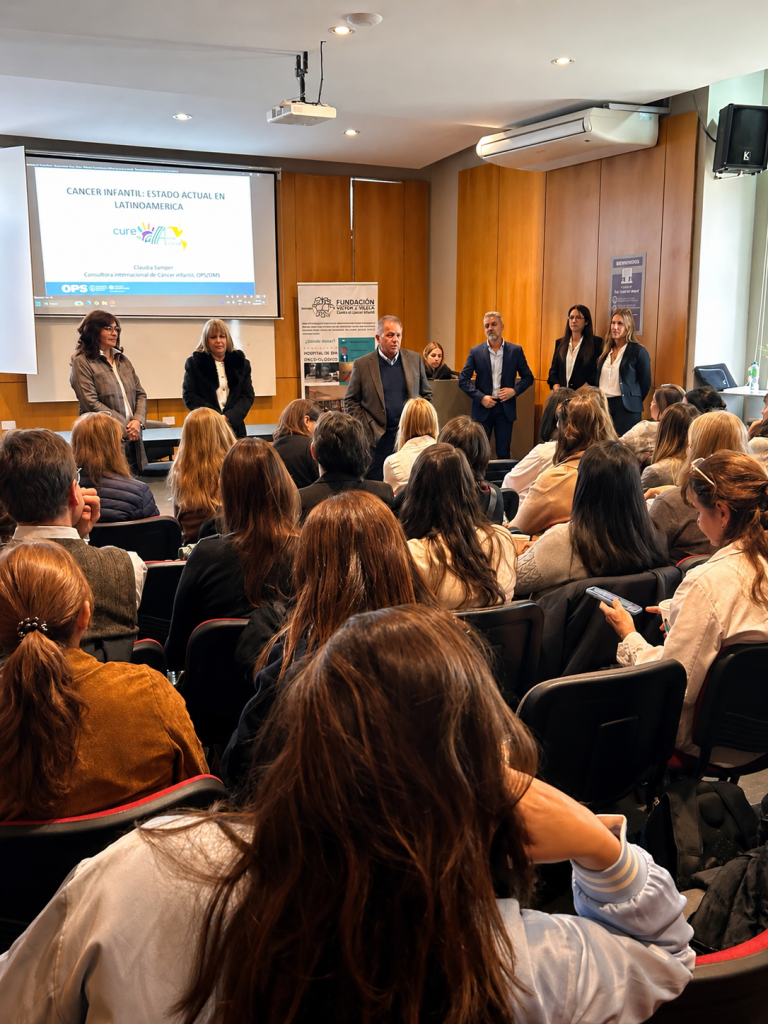
C/Can and BMS then turned their attention to a gap that is easy to overlook but hard to overstate: the near absence of reliable, context-appropriate indicators on cancer care quality across LMICs. Working alongside the World Health Organization and the Institute of Cancer Policy at King’s College London, C/Can and BMS developed a set of Quality Cancer Care Indicators designed specifically for resource-limited health systems. The work has drawn attention from the global oncology community, including the American Society of Clinical Oncology’s (ASCO) annual meeting, and is now being demonstrated in Arequipa, Peru and Rosario, Argentina, laying the groundwork for a scalable quality measurement framework across the C/Can network.
A Platform for Learning
What makes this relationship more than the sum of its projects is what each organisation has gained from working closely with the other.
For C/Can, the collaboration has deepened technical expertise across policy analysis, digital health, and quality measurement. For BMS, engagement with C/Can’s city network has offered something harder to come by: grounded, unfiltered insight into what cancer care actually looks like across diverse health systems, the gaps, the constraints, and the contextual knowledge that rarely makes it into clinical literature.
This is the C/Can model at work. Solutions are not imported; they are co-designed from the ground up with policymakers, hospital leaders, clinicians, civil society and patients, shaped by the realities of each city rather than imposed from the outside.
Next Chapter: Abuja
Nigeria loses tens of thousands of people to cancer every year. Strengthening cancer care systems is now an explicit national priority, and Abuja is where the next phase of this partnership will take root.
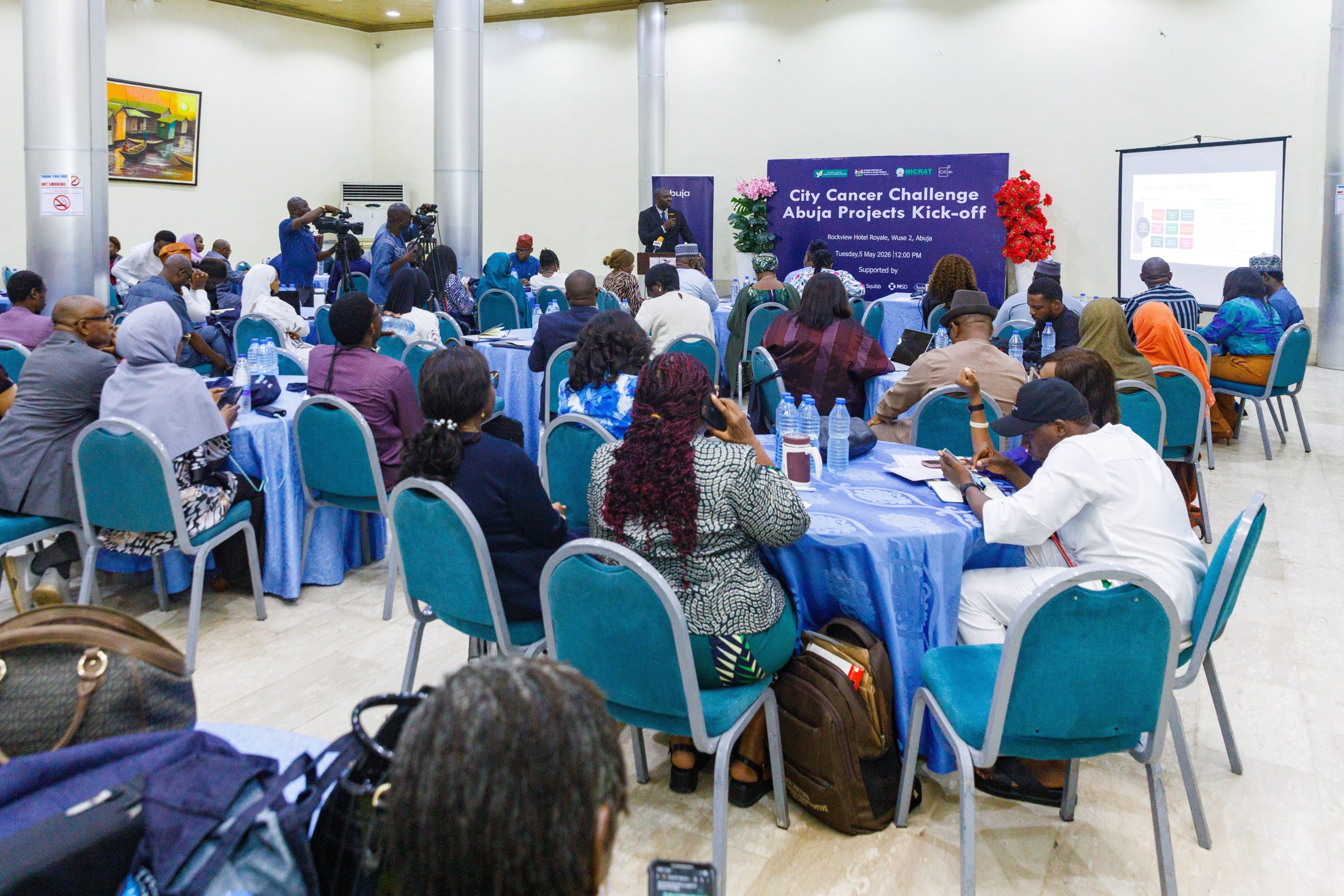
Abuja joined the C/Can network with the backing of Nigeria’s Federal Ministry of Health and Social Welfare, the Federal Capital Territory Administration and the Clinton Health Access Initiative. Since then, C/Can has worked with local stakeholders to complete a comprehensive needs assessment and develop a city-specific roadmap for better cancer care.
With BMS’ support, implementation will focus on multidisciplinary care, updated clinical guidelines, workforce capacity, and expanded cancer data and patient navigation systems. The goal is to help Abuja build a cancer care ecosystem strong enough to sustain and grow beyond any single partnership.
Why Long-Term Collaborations Matter
The story of City Cancer Challenge and Bristol Myers Squibb is, at its core, an argument for sustainability. In global health, short-term projects are everywhere. What is far rarer is the kind of multi-year collaboration that allows trust to deepen, knowledge to build on, and solutions to reach the people who need them. These are the kinds of collaborative efforts needed to drive sustainable change at the local level, where strengthening health systems, building local capacity, and improving patient access require sustained engagement and long-term commitment.
As the work of this collaboration expands into Abuja, both organisations remain committed to working alongside governments, clinicians, and communities to make quality cancer care a reality for patients, wherever they live. Six years in, that commitment is only growing stronger.
At Bristol Myers Squibb, we believe improving cancer outcomes requires more than scientific innovation—it requires strong health systems and collaboration across sectors. Our collaboration with City Cancer Challenge allows us to work alongside local leaders, clinicians, and global partners to strengthen the foundations of cancer care in cities around the world. Supporting the next phase of work in Abuja reflects our continued commitment to expanding access to quality cancer care and learning from the real-world experiences of health systems in emerging markets.
Marty Whalen, Senior Vice President, Global Policy and Government Affairs, BMS