City project

Early Cancer Diagnosis

Public awareness and primary healthcare training to improve cancer diagnostics.
Project lead
Tamar Rukhadze
Areas of action

The challenge

  • Women with cancer symptoms often experience delays in recognition and referral at the primary healthcare level. 
  • Limited awareness of early cancer warning signs persists among both the public and primary healthcare providers. 
  • Primary healthcare workers frequently lack training on early cancer signs and symptoms and appropriate referral pathways for early diagnosis. 
  • Patient organisations often have limited capacity to engage in evidence-driven advocacy for early cancer diagnosis. 
  • Gender-specific barriers affecting women’s access to timely cancer diagnosis remain insufficiently documented and addressed. 
  • These challenges contribute to late-stage diagnosis and poorer outcomes for women. 

The goal

  • To improve awareness through advocacy campaigns on early cancer signs and symptoms. 
  • To enhance primary healthcare capacity through structured training programmes. 
  • To contribute to earlier cancer diagnosis and improved patient outcomes.

The How

  • Strengthening early diagnosis systems: applying the World Health Organization Global Breast Cancer Initiative (GBCI) early diagnosis framework, targeting 60% of invasive breast cancers at Stage I or II. 
  • Building primary healthcare capacity: implementing structured training and e-learning programmes for primary healthcare clinicians and nurses on early recognition of suspected cancer cases. 
  • Raising public awareness: delivering advocacy and awareness campaigns focused on early warning signs and timely care-seeking. 
  • Empowering patient organisations: providing cancer advocacy training to strengthen evidence-based, community-led engagement on early cancer diagnostics. 
  • Advancing gender equity: conducting research to identify gender-specific barriers and facilitators in cancer care access. 
  • Cross-city implementation: implementing the project across multiple cities as part of C/Can’s Cities Taking Action for Gender Equity in Cancer Care (2024-2030) initiative.

Outputs

  • Implementation of the e-learning course for primary healthcare clinicians and nurses to improve early recognition of cancer signs and symptoms to facilitate “recognise and referral” processes. 
  • Definition and implementation of cancer care awareness training on early warning signs and symptoms for patient organisations. 
  • Research project conducted to understand barriers and facilitators that women, as both patients and providers, experience in interacting with cancer.

Team

Project Lead
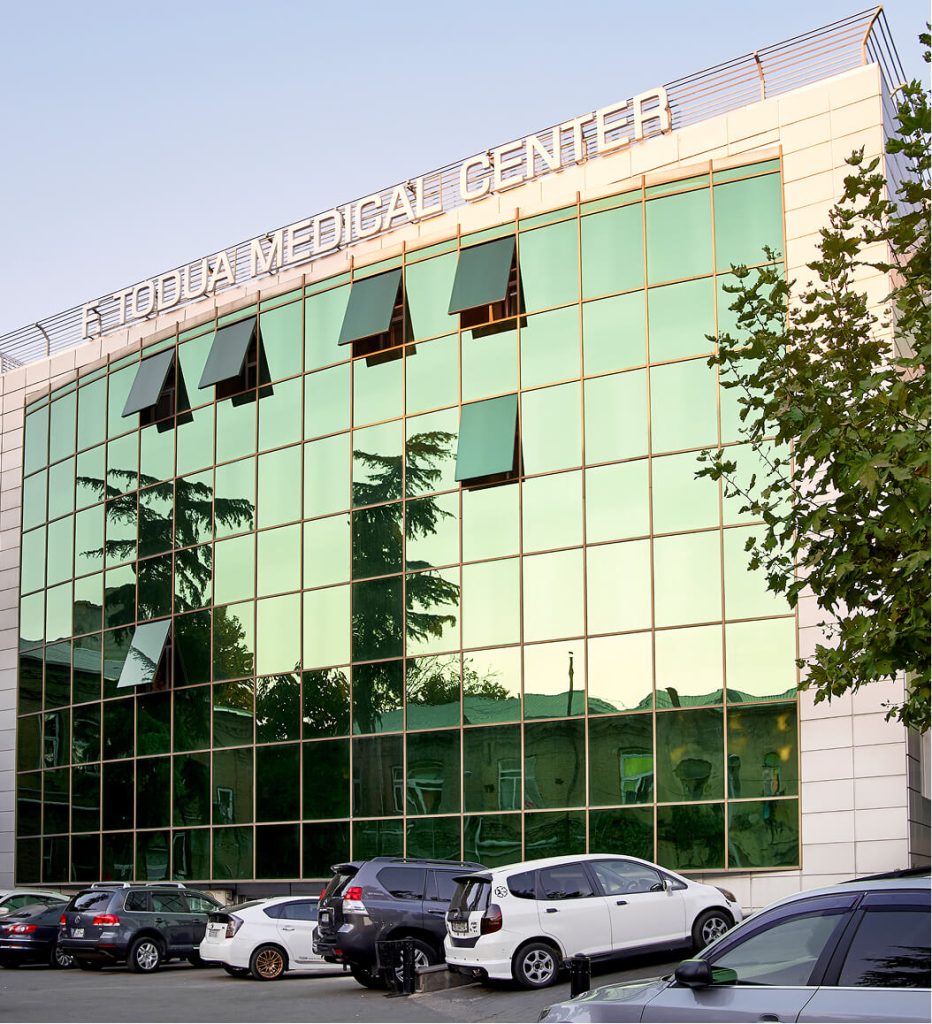
Tamar Rukhadze, Vice Dean of the Faculty of Medicine and Professor at Ivane Javakhishvili Tbilisi State University: Head of Clinical Oncology Department of Todua Medical Centre.
Project Team
Tamar Esakia, Clinical oncologist, Todua Clinic Vera
Irine Karosanidze, Director of Georgia Family Medicine Association
Anna Mazanishvili, President of Europa Donna
Ekaterine Sanikidze, Director of Patient Union
Nia Sharikadze, Clinical oncologist, Mardaleishvili Medical Center
Ana Khmaladze, Oncology nurse, Todua Medical Center
Givi Javashvili, Head of Primary Healthcare Doctors Association
Nana Mebonia, Head of the Chronic Diseases and injuries Division, National Center for Disease Control and Public Health (NCDC)
Eter Kiguradze, Director of National Screening Center

Stories from our cities

View all

Related projects

View all
Tbilisi, Georgia

Quality cancer management

Enhance the quality of cancer treatment, rehabilitation and supportive care.
Tbilisi, Georgia

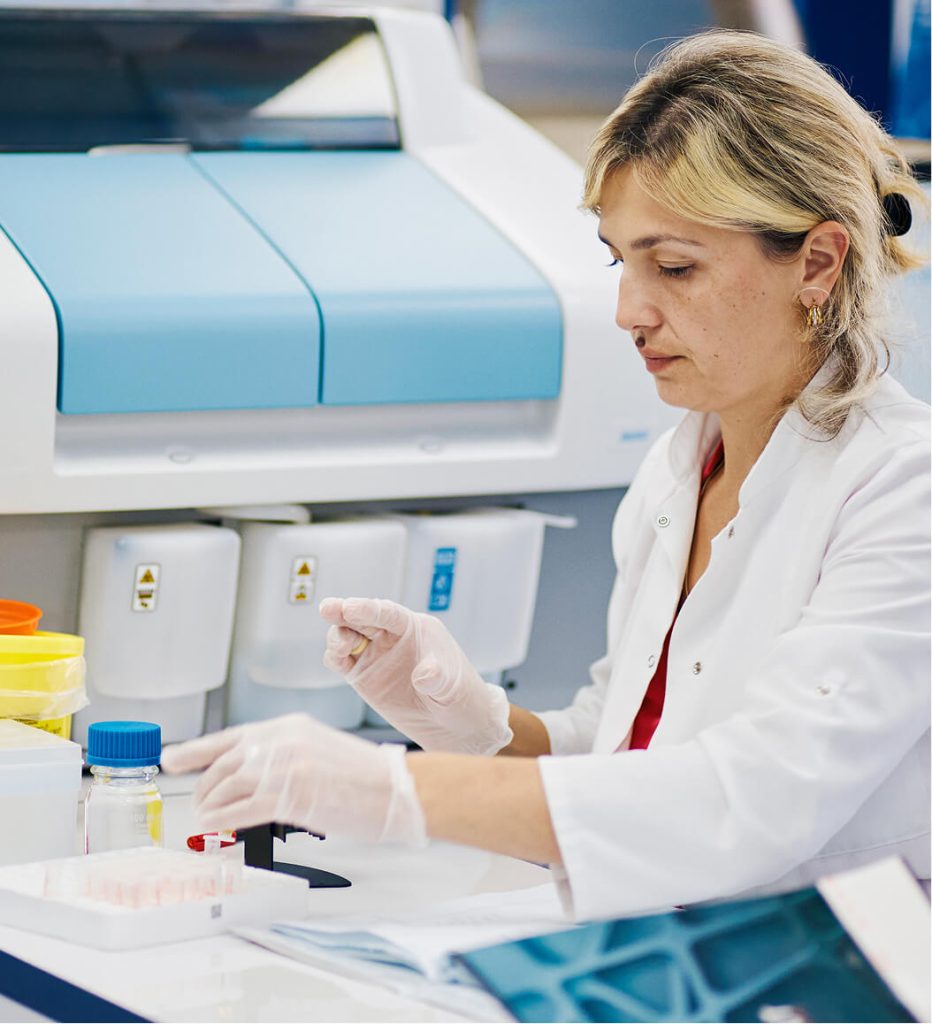
Timely and quality cancer diagnostics

Ensuring timely delivery of quality breast cancer diagnostic services.

Tbilisi, Georgia

Budget impact analysis for the reimbursement of cancer diagnostics in Tbilisi

Providing health authorities in Tbilisi with a budget impact analysis of including cancer diagnostics as part of the country’s Universal Healthcare Programme (UHC)

Strengthening-the-quality-of-education-and-training
Tbilisi, Georgia

Strengthening the quality of education and training

Strengthening education and professional training programmes for cancer care in Tbilisi

Multisectoral-coordination-to-standardise-nuclear-medicine
Tbilisi, Georgia

Multisectoral coordination to standardise nuclear medicine

Tbilisi harmonises the quality of diagnostic imaging for cancer care and assesses readiness to expand nuclear medicine.

Tbilisi, Georgia

Standardising cancer registry data collection

Improving cancer management through use of cancer registry data
Strengthening-best-practices-in-radiotherapy
Tbilisi, Georgia

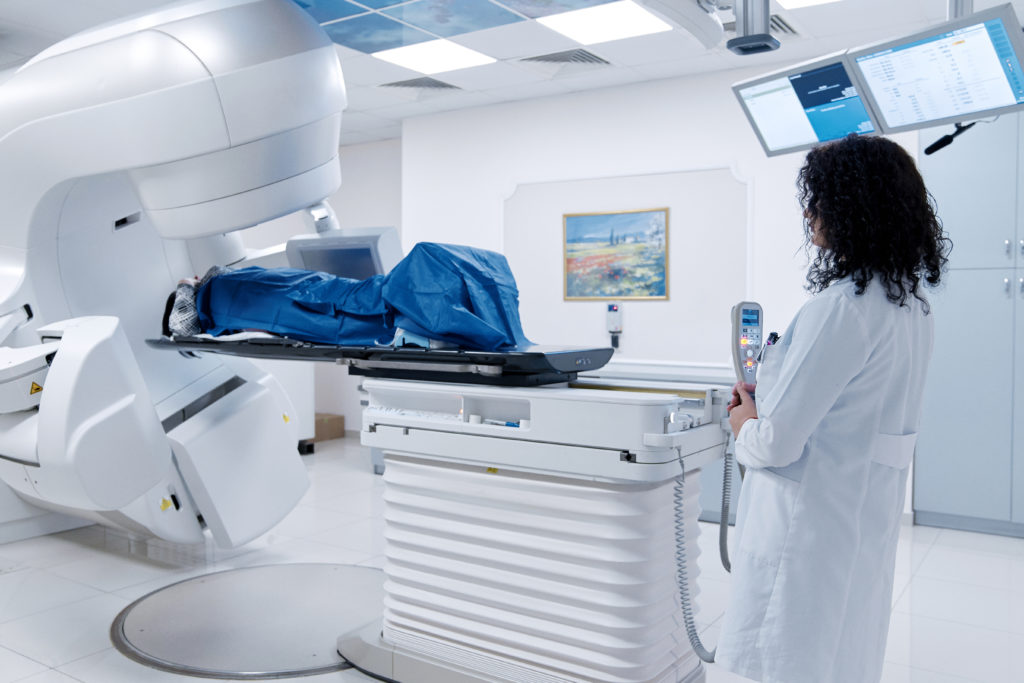
Strengthening best practices in radiotherapy

Tbilisi improves the quality and safety of the provision of radiation therapy.

Multidisciplinary-management-of-breast-and-cervical-cancers
Tbilisi, Georgia

Multidisciplinary management of breast and cervical cancers

Tbilisi increases the quality and standardisation of cancer care for breast and cervical cancers.

Standardising-and-strengthening-pathology-diagnostics
Tbilisi, Georgia

Standardising and strengthening pathology diagnostics

Tbilisi improves quality and standardisation of pathology diagnosis

Cookie notice

This website uses its own and third-party cookies to improve the browsing experience. Read the Cookies Policy.