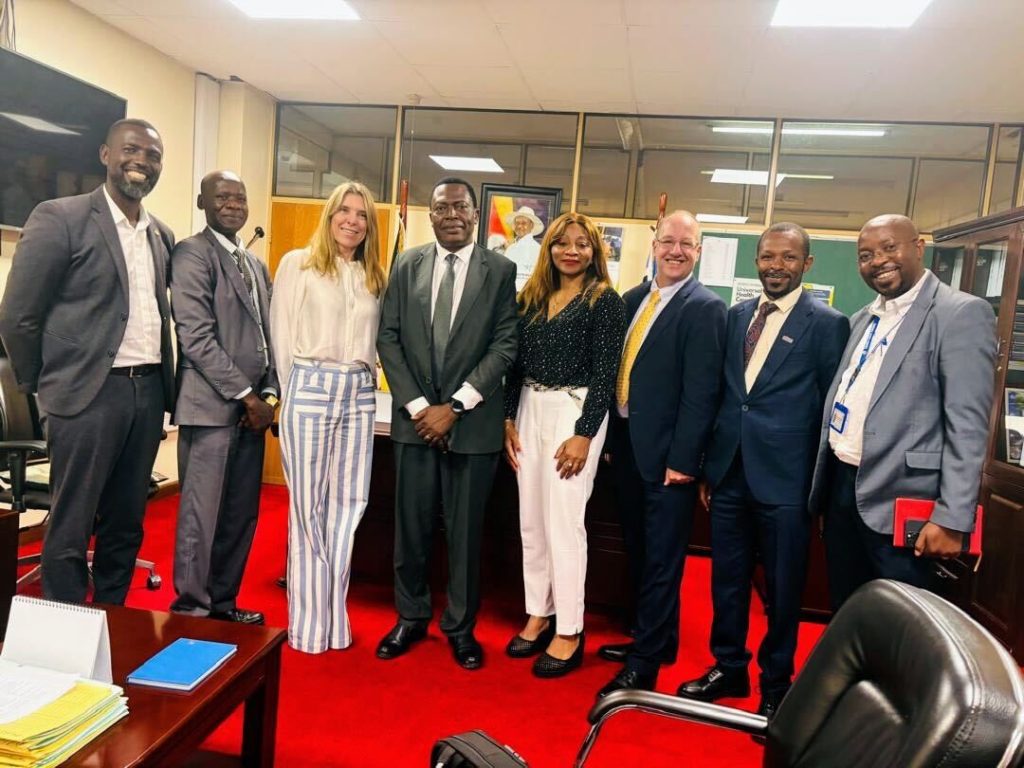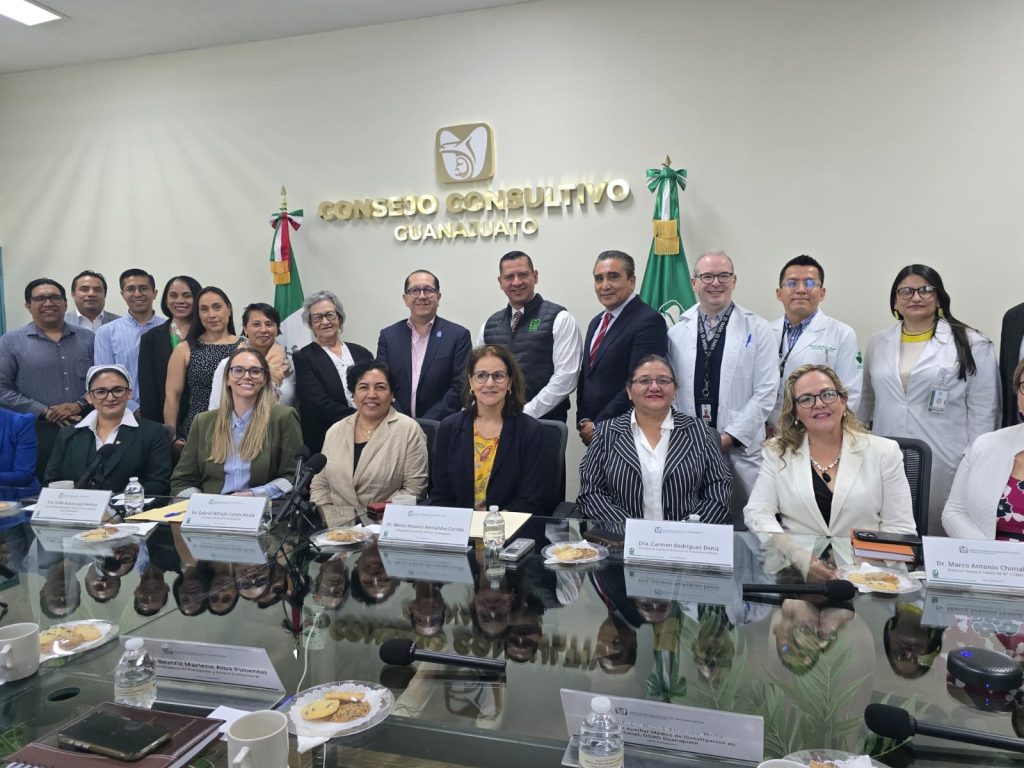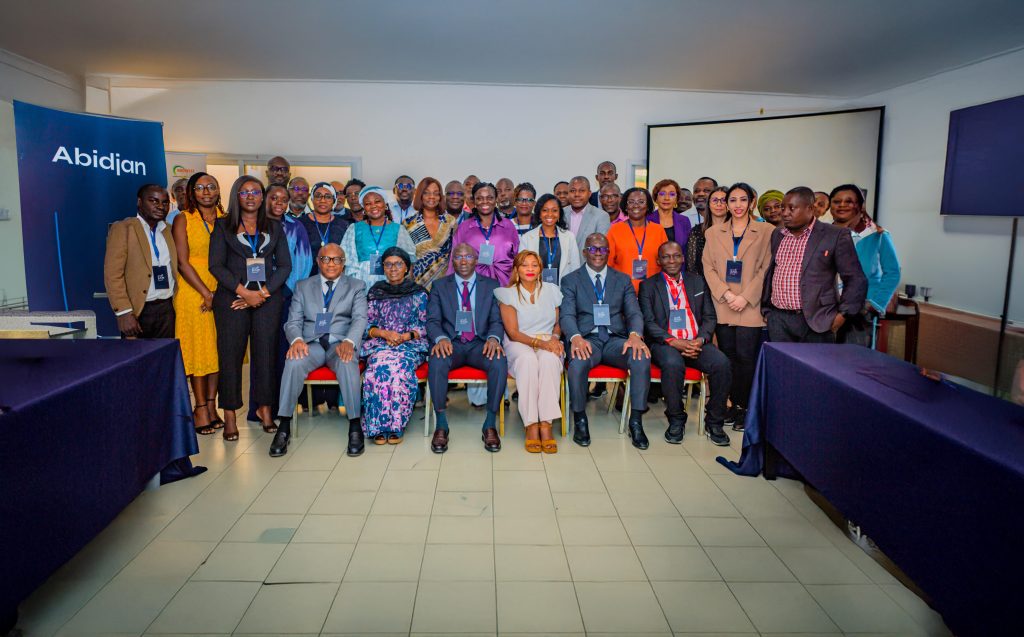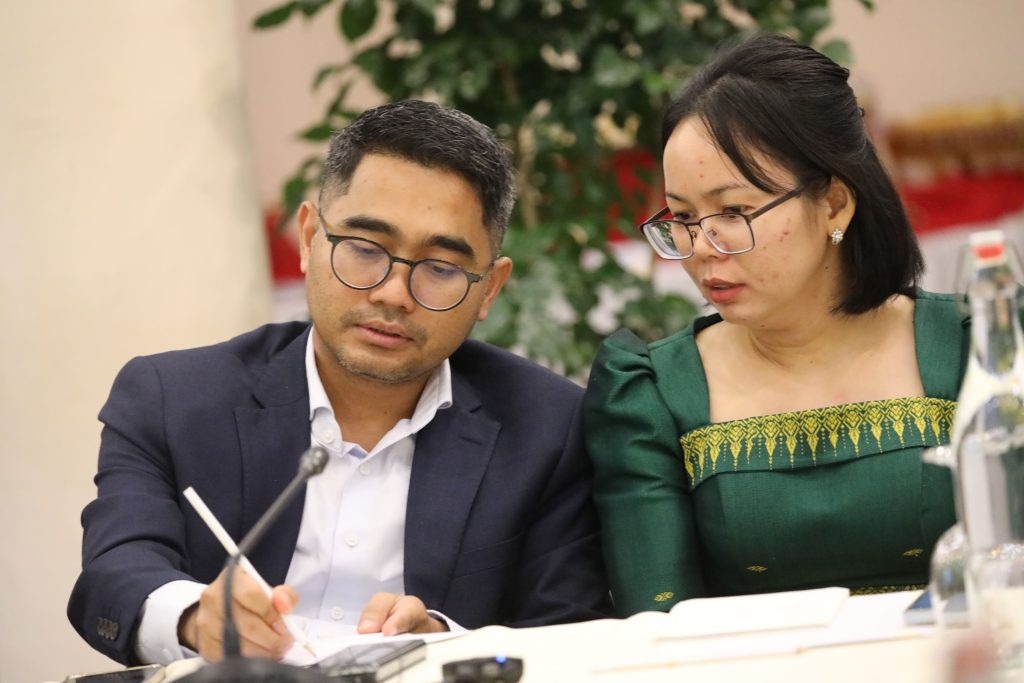
Across three continents, something important happened in 2025. Women and men, health workers, policymakers, People With Lived Experience (PWLE) of cancer, and community advocates came together to speak about how gender distinctively shapes every step of women’s cancer care journey. These conversations, held as part of City Cancer Challenge’s (C/Can) gender consultation in Tbilisi (Georgia), Nairobi (Kenya) and León (Mexico), marked an important turning point.
They are also part of something larger. In 2024, C/Can, as part of its broader Women and Health strategy, launched a new initiative, Cities Taking Action for Gender Equity in Cancer Care, a seven-year (2024-2030), US$10 million initiative aimed at ensuring that people across C/Can cities in low-and middle-income countries have equitable access to quality, gender-responsive cancer care*. This initiative is now moving from commitment to action across the three demonstration cities.
The consultations revealed what those working closest to these systems already suspected: gender equity in cancer care is not simply a matter of political will. It requires operational, measurable, evidence-driven action. What cities need is a model, one that translates gender analysis into concrete system change.
That model is GRACE.
Turning Evidence into Impact
The Gender-Responsive Analysis Cancer Equity (GRACE) is an international implementation research programme, co-led by C/Can and Global Focus on Cancer (GFC), in collaboration with Tbilisi State Medical University (Georgia), the University of Guanajuato (Mexico), and Kenya Society for Haematology and Oncology (KESHO) together with Kenyan Network of Cancer Organizations (KENCO), African Population and Health Research Centre (APHRC), and Aga Khan University (Kenya).
Launched in October 2025, the GRACE consortium brings together more than 30 researchers across 10+ institutions, combining global expertise with locally led leadership in Tbilisi, Nairobi and León.
GRACE serves as the research backbone of C/Can’s “Cities Taking Action for Gender Equity in Cancer” initiative. But it is more than an implementation research project. It is a structured effort to answer one of the most important questions in global cancer equity today: What does a truly gender-responsive health system look like, and how do we build one?
The Foundations of GRACE
The city gender consultations that took place across Tbilisi, Nairobi and León laid the groundwork for GRACE. They uncovered a consistent and concerning picture: women face layered barriers to cancer care at every level, from stigma and financial dependence to health workforce gaps, to policy frameworks that endorse equity in principle but lack the mechanisms to deliver it in practice.
GRACE picks up where those consultations left off. Over two years (2025-2026), it will generate applied, locally relevant evidence across multiple interconnected levels of the cancer system: patients and caregivers, health providers, health systems and policy environments.
At the community level, GRACE will examine the structural and social determinants that shape women’s ability to access, afford, and navigate cancer care. At the provider level, it will investigate workforce gaps, institutional biases and leadership, and the conditions that either enable or undermine gender-responsive practice. And at the system and policy level, GRACE will benchmark existing frameworks against international standards, including recommendations of the Lancet Commission on Women, Power and Cancer, to identify where the most actionable levers for change lie.
Invariably, all three city gender consultations pointed to systemic gender-driven inequities compounded by the lack of locally grounded evidence to act upon the multiple ways in which women are disproportionately affected by cancer. Through the GRACE programme, we aim to better understand how the findings of the Lancet Commission on Women, Power and Cancer are reflected within each city ecosystem, and to co-design interventions to address these disparities.
Meritxell Mallafré-Larrosa, Research Lead, C/Can
Embedding Lived Experience
One of GRACE’s defining commitments is to move PWLE from the margins of the research to its core.
Too often, people affected by cancer are consulted once, in a focus group or a community meeting, and then the process moves on without them. GRACE is designed differently. PWLE are embedded across the full research and system change cycle: from research design and tool validation, to co-design workshops that shape what interventions get prioritised, to the final city-specific programmes that emerge.
People With Lived Experience (PWLE) bring a form of experiential knowledge that health systems often overlook: an understanding of how policies, services and social realities intersect in daily life. GRACE recognises that this insight is not anecdotal; it is essential evidence. By embedding PWLE throughout the research and co-design process, we ensure the solutions developed are grounded in real-world barriers and capable of producing meaningful, system-level change.
Carolyn Taylor, Global Focus on Cancer
From Knowledge to Action
What distinguishes GRACE is not just the quality of the evidence it will generate, but what will happen with that evidence afterwards.
GRACE applies a modified Knowledge-to-Action (KTA) cycle, adapted to city-level health system strengthening and C/Can’s programming approach. Research findings will flow directly into city-specific intervention packages, co-developed with people living with and affected by cancer, providers, civil society organisations, and policymakers. Those packages will inform policy dialogue, governance reform, and the design of C/Can’s next generation of technical cooperation programmes.
The goal is a transferable, implementation-ready framework for gender-responsive cancer systems, one that can be adapted across C/Can’s 18 cities and applied more broadly across low-and-middle income country contexts.
Through our unique city implementation framework, the City Engagement Process Framework (CEPF), we aim to demonstrate how to meaningfully integrate gender into cancer health systems strengthening programmes from programme design and execution to evaluation.
Alfredo Polo, Technical Cooperation and Capacity Development Director, C/Can.
A Shared Commitment
The work ahead is ambitious. By the end of the initial two-year formative research cycle, GRACE will have generated a body of evidence that is both globally relevant and locally grounded. The findings of the Lancet Commission on Women, Power and Cancer will be contextualised within three specific LMIC settings, translating landmark global recommendations into insights that reflect realities of women in Tbilisi, Nairobi and León.
Each city will emerge with a concrete, evidence-informed implementation plan, a practical roadmap for integrating gender-responsive interventions into health system strengthening efforts. Taken together, these plans will contribute to a structured framework that policymakers, practitioners and global health stakeholders can draw on to embed gender considerations into health systems more broadly. And because knowledge only creates change when it is shared, GRACE’s findings are built for scale: offering a replicable model for gender-responsive cancer care that can be shared across LMICs.
The consultations in Tbilisi, Nairobi and León showed that there is a clear appetite for change. GRACE is how that momentum is translated into action. It charts a path from listening to evidence, from evidence to action, and ultimately from action to the kind of durable, system-wide transformation that makes cancer care equitable for women and stronger for everyone.
*Made possible thanks to the support of Amgen, Global Focus on Cancer (a US charitable organisation supported by donations from Eli Lilly and Company), MSD, Roche and Siemens Healthineers.