The Lancet Commission on Women, Power and Cancer, published in 2023, painted a striking picture of the disparities women face when dealing with cancer. Cancer ranks among the top three causes of premature mortality among women in almost all countries of the world, and out of the 2.3 million women who die prematurely from cancer each year, 1.5million deaths could be prevented through primary prevention or early detection strategies, while a further 800,000 deaths could be avoided if all women everywhere had access to optimal cancer care.
This reality quickly became a call for action at City Cancer Challenge (C/Can), as we couldn’t ignore that women, in all their diversities, face structural and social barriers that demand targeted solutions.
In September 2024, at the Clinton Global Initiative Annual Summit, C/Can announced a seven-year (2024–2030), US$10 million initiative: Cities Taking Action for Gender Equity in Cancer Care*. This ambitious programme aims to ensure that people across C/Can cities in low-and middle-income countries (LMICs) have equitable access to quality, gender-responsive cancer care, leading to improved cancer outcomes and reduced healthcare disparities for all.
Since the launch of the initiative, activities have taken place in three demonstration cities, León (Mexico), Nairobi (Kenya), and Tbilisi (Georgia), where an estimated 3.8 million women live.
In each city, a blueprint co-created with local stakeholders and experts, including researchers from the Lancet Commission on Women, Cancer and Power, will guide the design and implementation of a set of interventions supporting gender-responsive health systems that may be scaled nationally. Moreover, learnings from these cities relevant to the broader cancer control community will be shared globally.
Co-Creating Blueprints for Gender-Responsive Health Systems
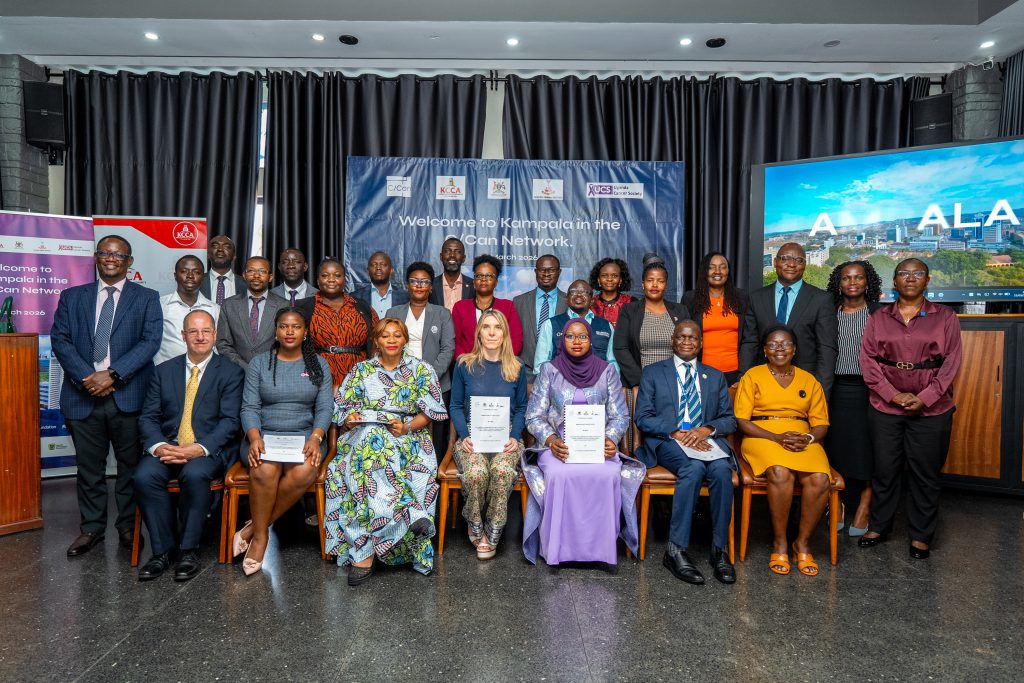
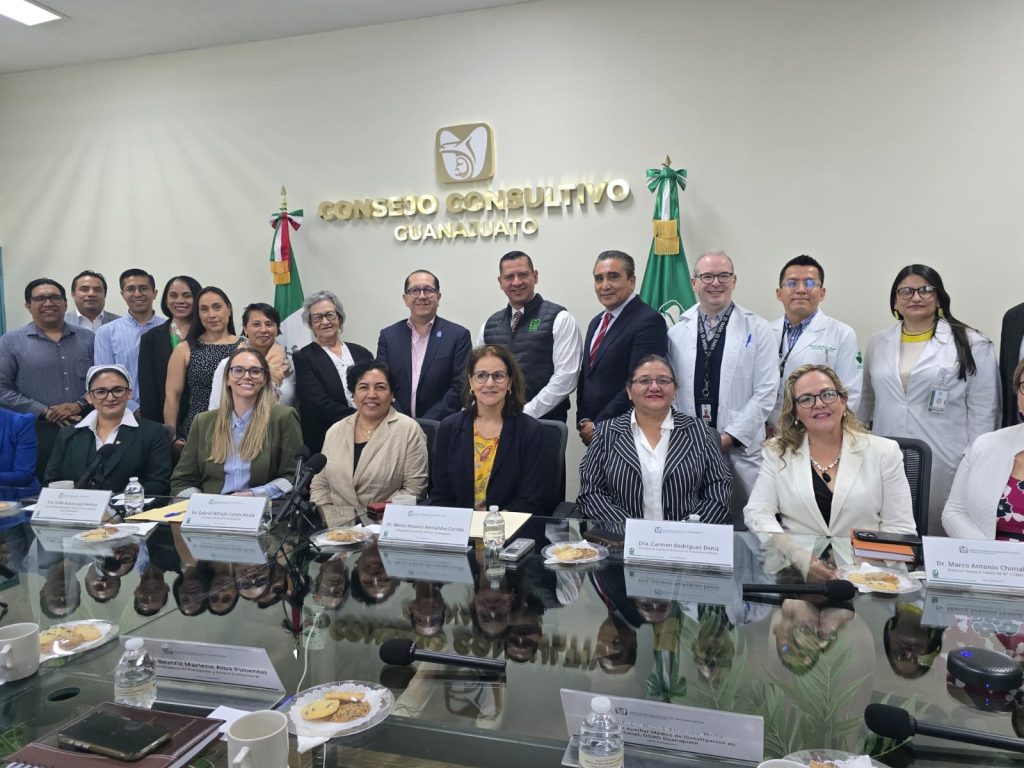
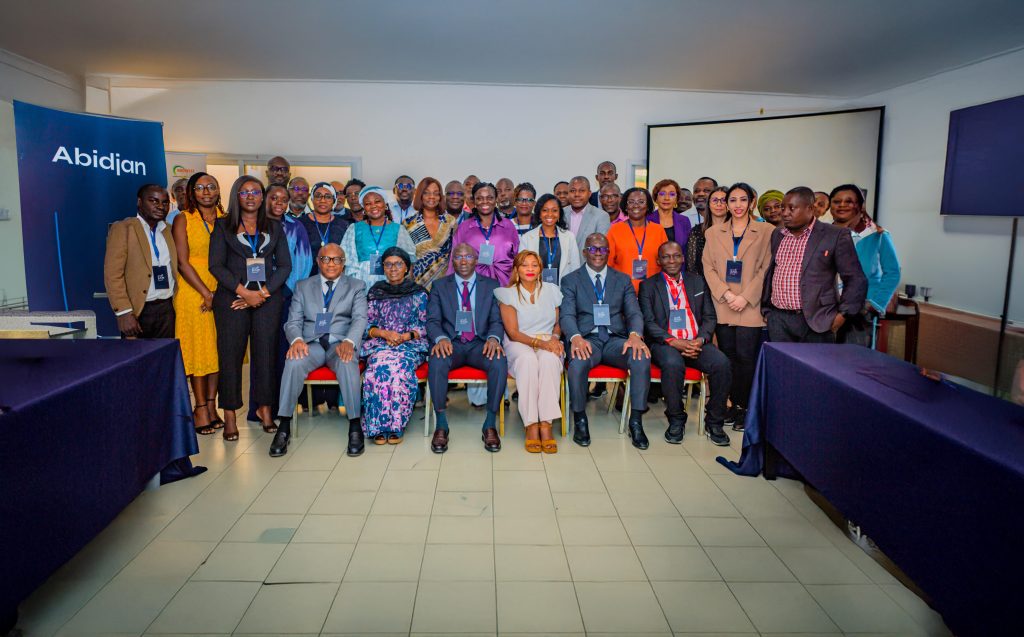
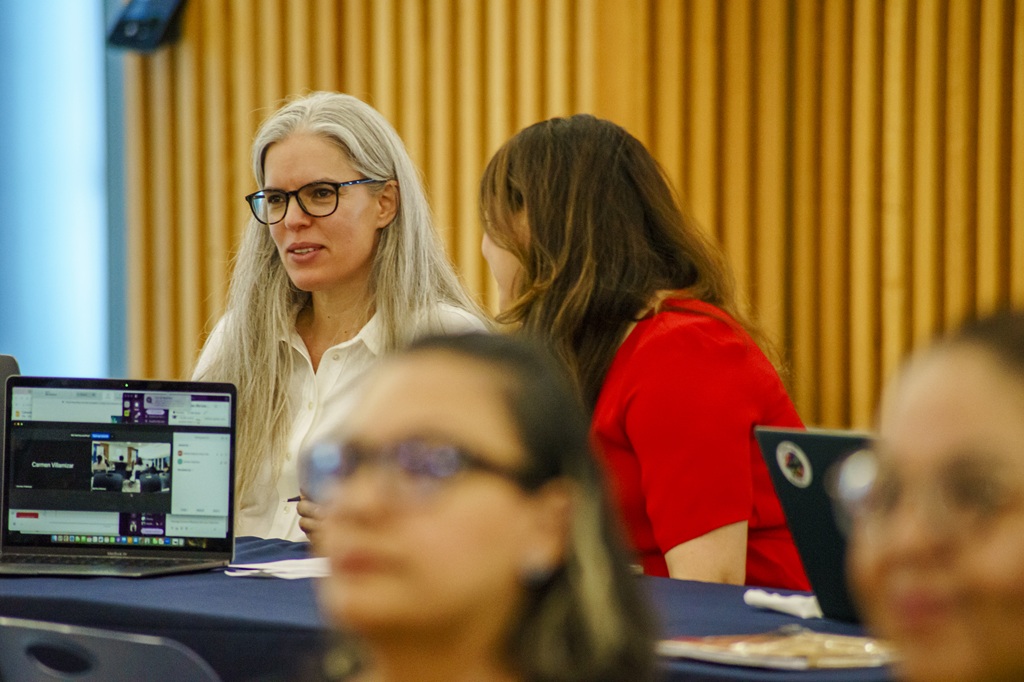
Throughout 2025, gender consultations were held in all three demonstration cities. This series of structured workshops brought together women and men in leadership positions, health professionals, policymakers and community representatives to examine how gender shapes access to cancer care, workforce dynamics and decision-making across the health system.
When you sit in a room and listen to women and men describe how gender shapes every step of women’s cancer care journey, the gaps become impossible to ignore. Through these consultations, we’ve been able to hear directly from those most affected and co-create recommendations that respond to the realities of their lives. This is what gender-responsive care looks like, centred on people, informed by lived experience, and built together with communities.
Isabel Mestres, CEO, C/Can
Building on the findings of the consultations, each city has now translated discussions into a set of concrete, locally driven recommendations that will guide the next phase of C/Can’s technical cooperation programmes and its city-led model. These insights will not only strengthen implementation in the three demonstration cities but also inform how C/Can, and the wider global cancer community, can better integrate gender into strategies, policies and programmes.
Together, these consultations show what it means to make gender equity a practical, system-wide priority rather than an abstract principle.
Tbilisi: Putting Psychosocial Support and Workforce Equity on the Agenda
In February, Tbilisi convened 20 stakeholders representing a broad range of professional backgrounds and expertise. The session highlighted limited psychosocial support and stigma, while women working with the health system tend to be concentrated in lower-paid roles and have fewer protections, particularly around caregiving and maternity leave. At the system level, gaps in organised cancer screening, limited service integration with diagnostic services and policy gaps also emerged as key challenges.
Selected recommendations include:
- Expanding access to gender-responsive psychosocial support services and strengthening community-based peer support mechanisms: Promote the integration and availability of psychosocial support services within cancer care, ensuring that they are gender-responsive, and foster peer support systems by engaging and strengthening the role of local CSOs in delivering community-based psychosocial and peer-to-peer support for patients and individuals with lived experience.
- Promote gender-responsive multidisciplinary (MDT) cancer care: Enhance the adoption of MDT models in cancer care, especially by ensuring the meaningful inclusion and recognition of nurses, and fostering gender-sensitive treatment planning.
- Promoting gender equity within the health workforce leadership: Support initiatives that promote women’s leadership in oncology and healthcare more broadly (e.g., C/Can’s Leadership Programme for Women in Oncology, LPWO). In parallel, encourage the recruitment of men into traditionally female-dominated roles, notably nursing, to challenge existing gender norms and promote parity in role distribution.
Without the right data, many of the challenges women face remain hidden, almost invisible. Hearing the stories during the consultation helped us understand gaps we hadn’t fully recognised, not just in cancer care, but across the wider health system. Now that these issues are known, we have a real opportunity to address them.
Dr Nana Mebonia, Head of the Chronic Diseases and Injuries Division, National Center for Disease Control and Public Health
León: Overcoming Structural Barriers and Shifting Gender Norms
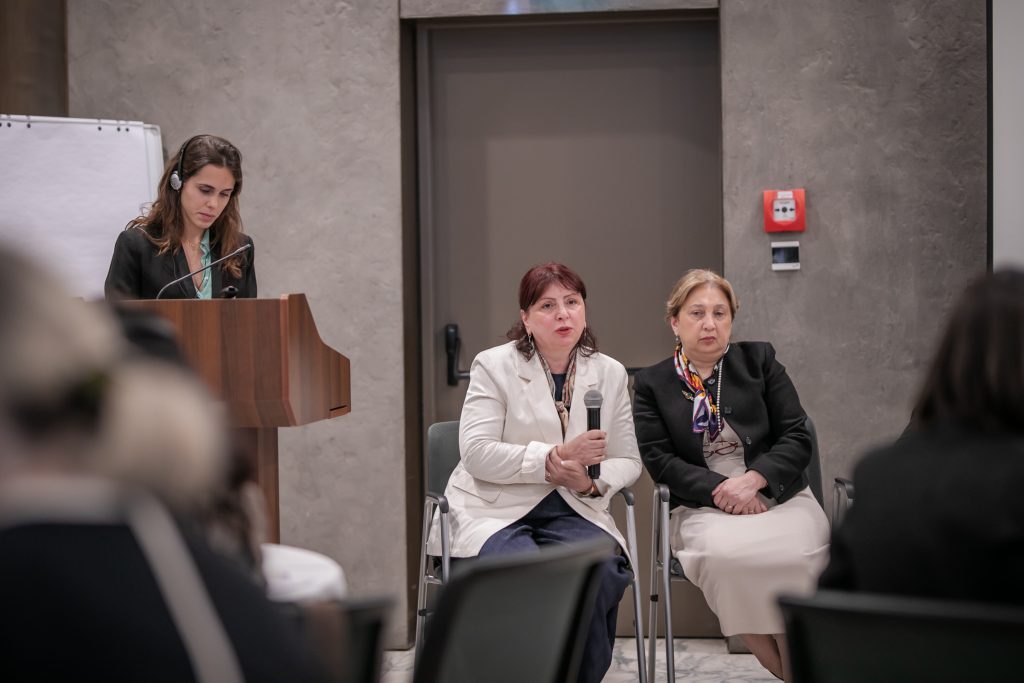
León’s June consultation gathered 37 stakeholders from diverse institutions and organisations. Discussions revealed how practical barriers, such as lack of transportation, rigid work policies, and difficulties accessing diagnostics, prevent women from initiating and complementing cancer care. These challenges are compounded by internalised gender norms within families and society, as well as limited gender competencies of healthcare among healthcare workers.
Gender dynamics and intersectionality affect equitable cancer control. Gender roles can prevent women from accessing timely care, such as prioritising the needs of others, the lack of financial autonomy, and encountering health systems that dismiss their narratives and subject them to disrespect and discrimination.
Dr Karla Unger. Instituto Nacional de Cancerología de México.
Selected recommendations include:
- Promoting gender-transformative health literacy and education from early life stages, including through school curricula and public awareness campaigns, to address internalised gender norms and support women’s autonomy in health-seeking behaviour.
- Advancing workplace-based strategies to ensure that employers recognise the right to attend medical and psychological follow-up care, removing structural barriers to women’s continued treatment adherence.
- Institutionalising comprehensive gender competency training across the health workforce, including various leadership levels, with a unified framework and state-level standardisation.
Nairobi: Tackling Stigma While Supporting Women in the Health Workforce
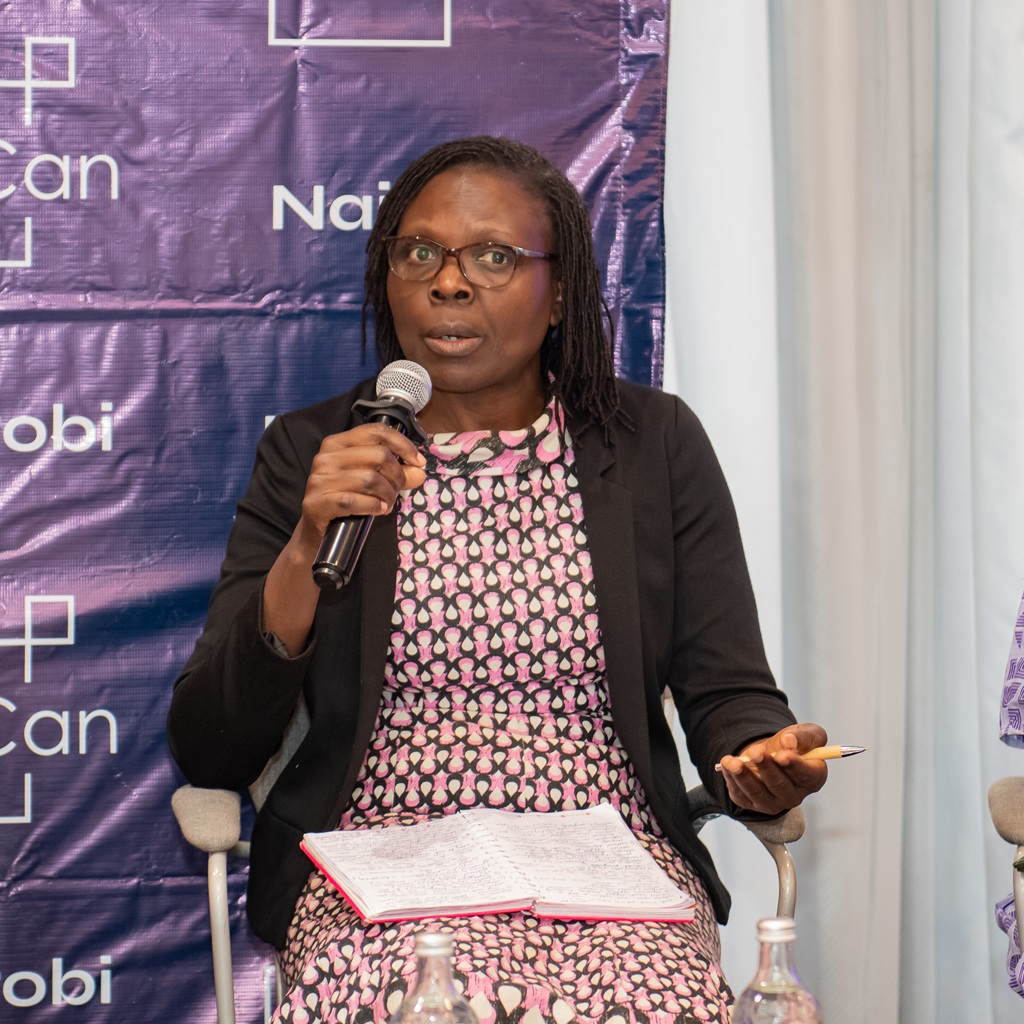
In July, Nairobi convened 55 stakeholders. The consultation highlighted how cultural stigma and fear of cancer diagnosis delay care-seeking. At the same time, women in the health workforce face rigid schedules, insufficient maternity protections, and unsafe working conditions, which limit their ability to thrive and lead within the system. Despite extensive policy protection of women’s rights to health, chronic underfunding of gender equity initiatives in cancer control limits the implementation of inclusive policies and programmes.
Selected recommendations included:
- Expanding community-based education and awareness efforts on gender and cancer, targeting both women and men in patriarchal settings.
- Implementing gender-responsive human resources policies that promote women’s career advancement in oncology, including mentorship, post-maternity reintegration, and leadership opportunities, supported by international networks.
- Expanding patient navigation and referral coordination systems to improve continuity of care, reduce loss to follow-up, and enhance equitable access for women and vulnerable groups.
Engaging people with lived experience changed the entire conversation. They grounded our discussions in real-life challenges they face; the delays, the fears, the barriers, the stigmas that we often overlook. Their insights made it clear that if we want meaningful change, the people living these realities must be part of designing the solutions.
Prisca Githuka, Cancer survivor and advocate, Founder Pink Hearts Cancer Support Foundation, Vice-Chair, KENCO.
Shared Lessons Across Cities
Despite taking place in different contexts across three continents, the consultations revealed a shared reality: gender shapes every layer of the cancer care continuum, from patient experiences to workforce participation, service delivery and policy design.
Women consistently expressed the need for greater psychosocial and sexual health support. Health workers require enabling working conditions to foster leadership and deliver gender-responsive care. Service delivery must adapt to women’s realities in terms of time, safety and mobility. And across all cities, stakeholders called for robust sex-and-gender disaggregated data, for evidence-based decision-making.
These shared themes are now informing cross-city learning and will help translate individual city experiences into knowledge that can be used across C/Can cities and beyond.
Locally led Consultation, Global Knowledge
The gender consultations in Tbilisi, Nairobi and León demonstrate that shifting systems towards gender equity begins with listening: to women as patients, caregivers, health professionals and decision-makers. By translating those lived experiences into concrete actions across programmes, policies and everyday service delivery, cities are redefining what equitable cancer care can look like.
As these recommendations are integrated into each city’s implementation plans and a roadmap for C/Can’s wider network is developed, one message is clear: when cancer care systems work better for women, they become stronger, fairer and more resilient for everyone, in all their diversities.
*The implementation of C/Can Women and Health Strategy is made possible thanks to the support of Amgen, Global Focus on Cancer (a US charitable organisation supported by donations from Eli Lilly and Company), MSD, Roche, and Siemens Healthineers.