In cancer care, the journey toward recovery begins long before the first drug is administered; it starts with a timely and precise diagnosis. Ensuring that diagnoses are both accurate and prompt is a challenge facing health systems today. To address this, Arequipa, Peru, hosted a four-day regional course as a key component of the project aimed at strengthening the quality of anatomical pathology, an initiative held under C/Can’s City Programme.
This is where the standards we’re building stopped being a document and started being practiced. Seeing our own technicians and pathologists change how they work is exactly the local capacity Arequipa has been missing.
said Mónica Ruiz Ballón, Project Lead, Carlos Alberto Seguín Escobedo Hospital, together with Dr Percy Cruz and MT Luis Arima.
A Foundation for Sustained Change
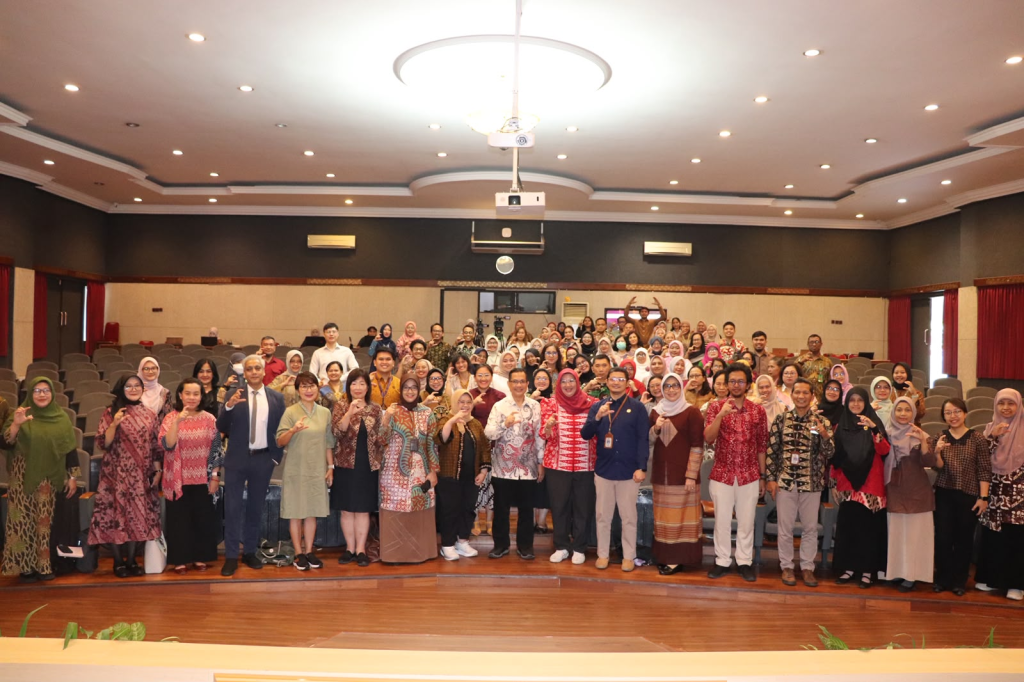
Coordinated by C/Can in partnership with the Peruvian Medical College – Regional Council V and Universidad Continental, the course was attended by 101 professionals, including pathologists, technicians, biologists, and medical technologists.
Rather than a standalone event, the course was designed as a long-term capacity-building process. The success of the initiative is being measured through systematic follow-ups at 3, 6, and 12 months to evaluate how classroom learning translates into actual changes in daily laboratory practice and better diagnostic performance over time. These periodic evaluations are conducted through tailored questionnaires focused on everyday laboratory practices and quality control measures, designed to assess each institution’s progress in implementing the specific improvements it identified as essential to enhancing laboratory performance.
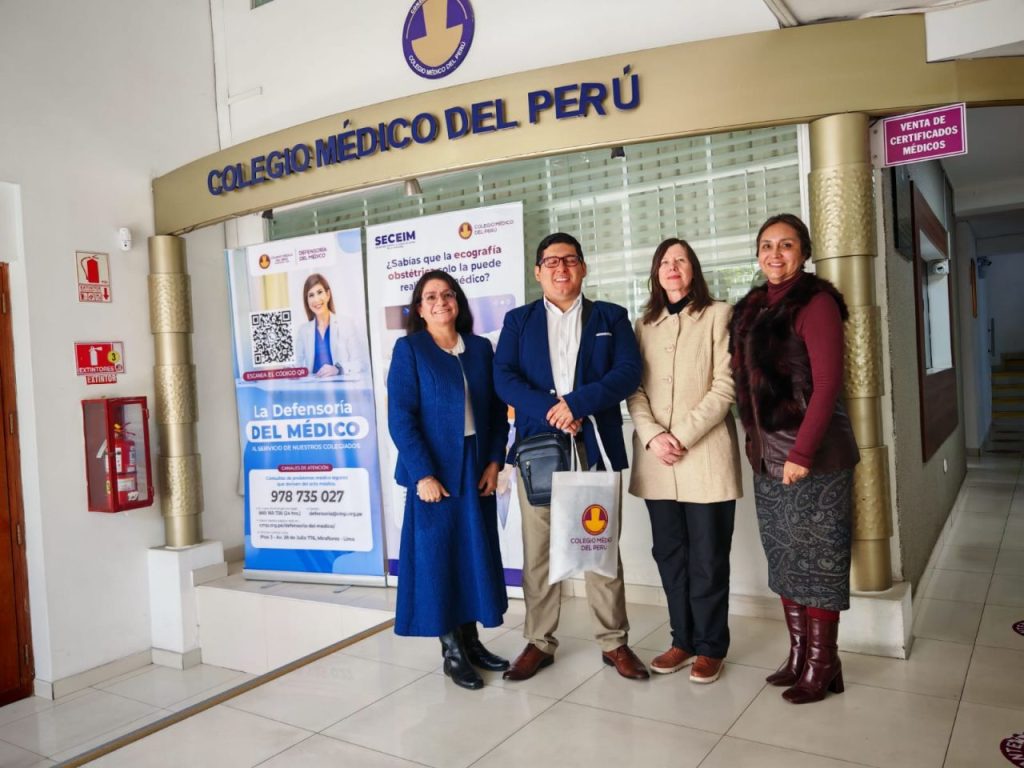
Dr Miriam Aliaga, Dean, The Peruvian Medical College – Regional Council V, noted the importance of this starting point:
We believe that strengthening laboratory quality is a process of scientific preparedness and building multidisciplinary trust. Our local professionals have shown a heartwarming commitment to beginning the work of improving their daily practice for the community.
From Learning to Action: Early Indicators
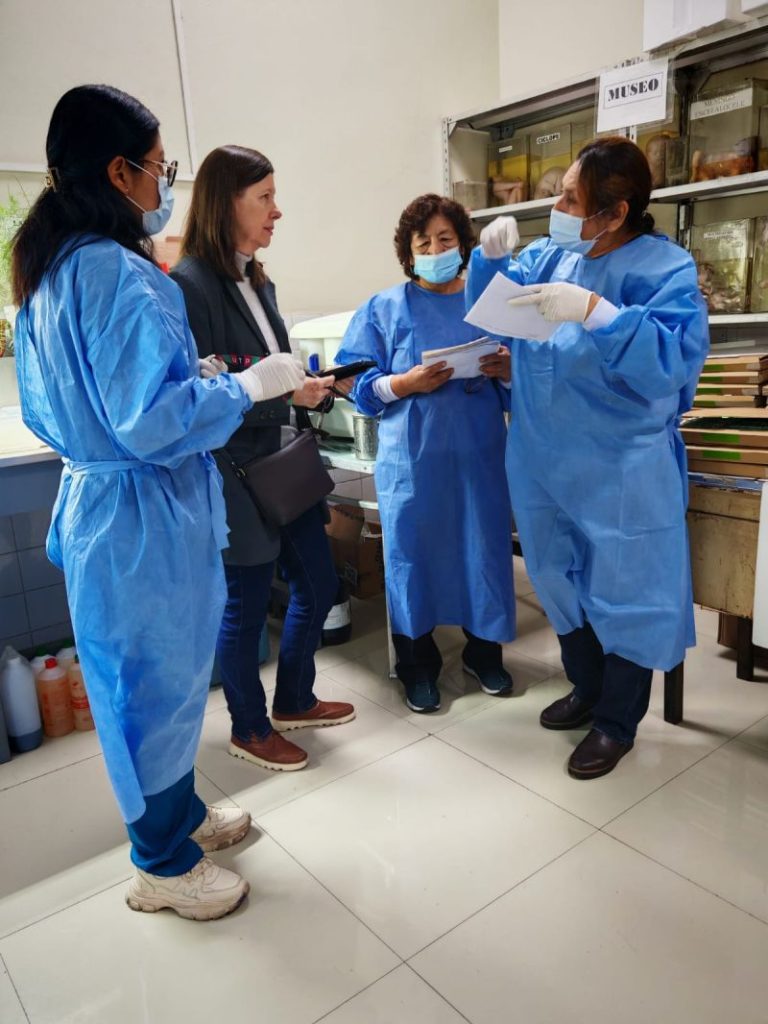
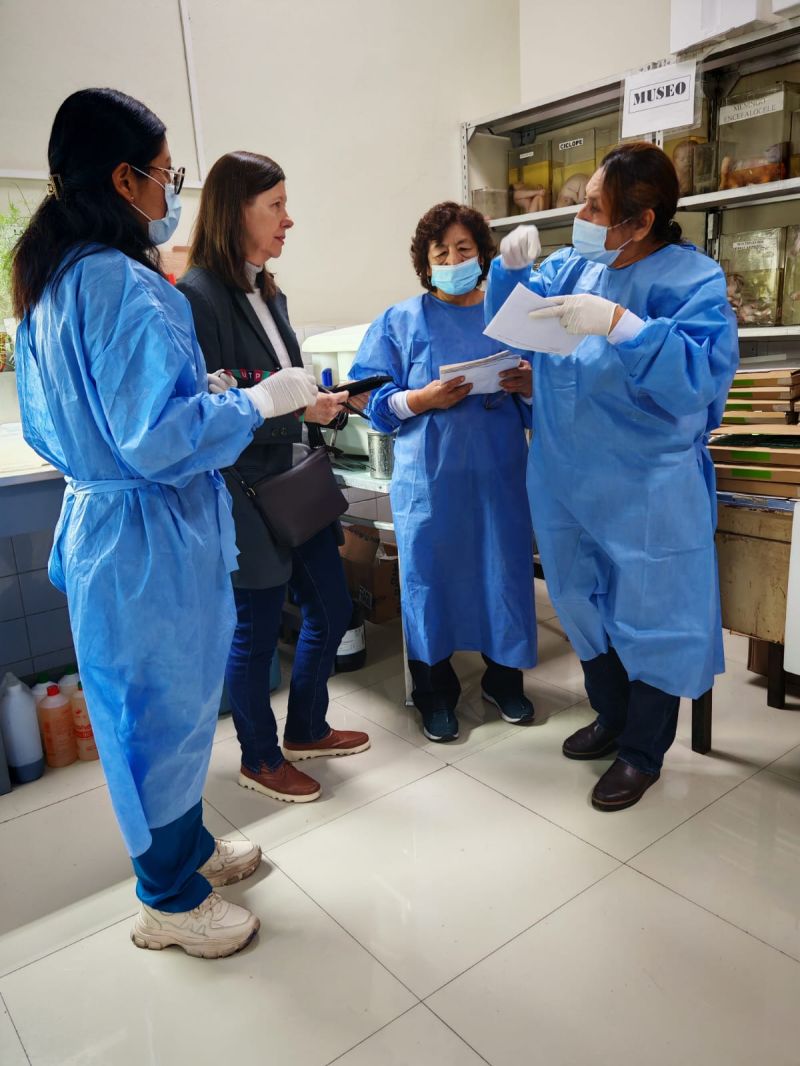
While system-wide transformation takes time, technical mentoring visits to four local hospitals provided early signs of impact. Experts observed that participants were already making small, practical changes to their laboratory workflows as soon as mentors arrived at their facilities.
Visiting the four hospitals in Arequipa, what I saw was moving: professionals of every rank committed to improving their daily practice for their community.
Beatriz Hornburg, Pathology Lead, C/Can
This technical mentoring complements formal learning, facilitating immediate quality improvements directly where they are needed most.
This “ground-up” approach ensures that resources are targeted to deliver the most impact while fostering local ownership
Investing in People for a Sustainable Future
The course was built on the belief that investing in human capacity is the most sustainable strategy for health system strengthening. By focusing on professional practice rather than just equipment, the class created a replicable blueprint for other cities.
Through this multidisciplinary teamwork and commitment to evidence-based follow-up, Arequipa is establishing the foundation necessary to transform the heart of pathology.
Pathology plays a critical role in cancer care, as timely and accurate diagnoses are essential for appropriate clinical decision-making and treatment planning. Strengthening diagnostic capacity, however, requires more than access to advanced technologies; it also depends on developing technical competencies, standardising laboratory processes, and fostering a culture of continuous quality improvement among multidisciplinary teams.
More than a training programme, this initiative represents a replicable model for capacity building based on institutional collaboration, technical mentoring, and impact evaluation. It reflects a long-term commitment to strengthening pathology services and generating evidence on how investments in human capacity can contribute to more timely, accurate, and equitable cancer diagnosis.
Key Lessons and Insights
- Capacity building should be viewed as a long-term process, not a one-time training event. Measuring changes in professional practice is as important as evaluating knowledge acquisition.
- Technical mentoring complements classroom learning, facilitating the implementation of quality improvements directly within pathology laboratories.
- Multisectoral collaboration between healthcare institutions, academia, professional societies, and international partners strengthens ownership and sustainability.
- Systematic follow-up provides valuable evidence on how training translates into improved laboratory practices and can inform future scale-up.
- Investing in people is a sustainable strategy to improve diagnostic quality and strengthen cancer care systems.