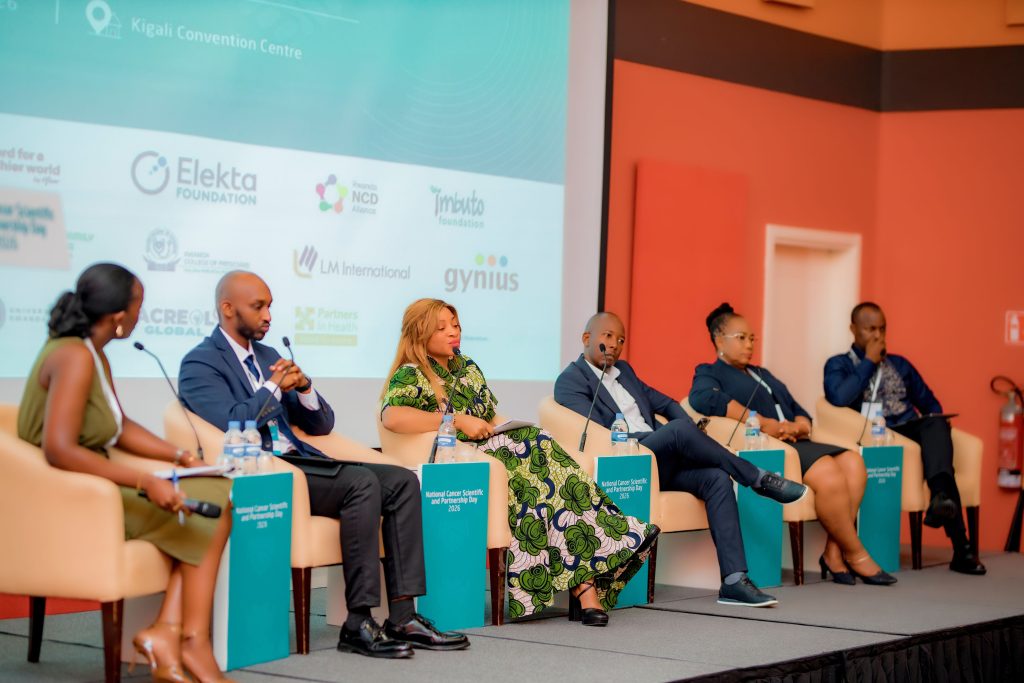
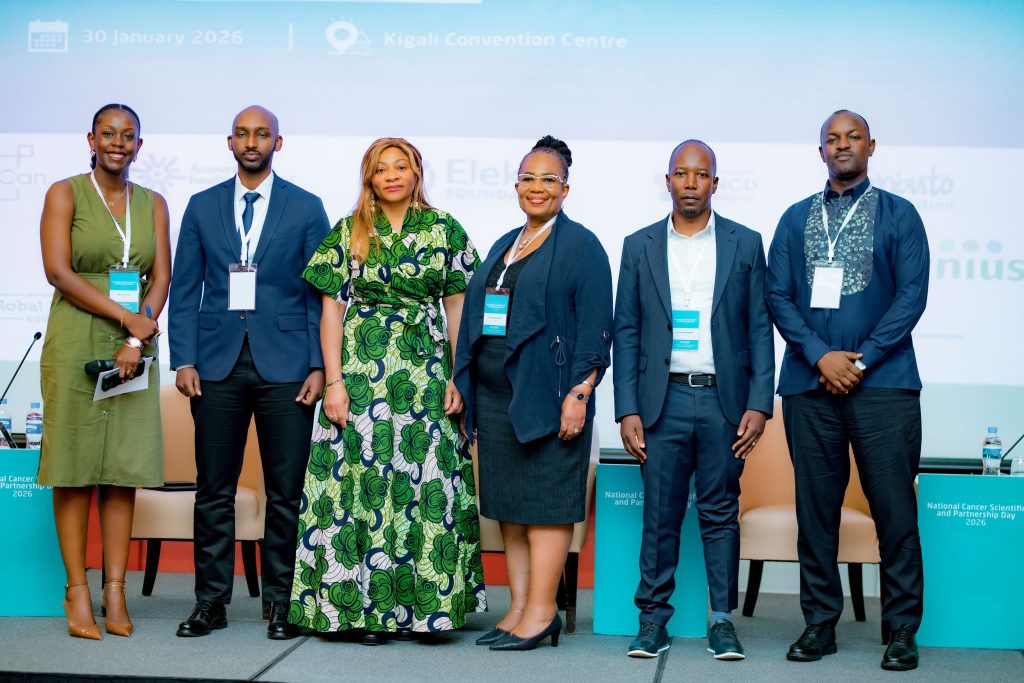
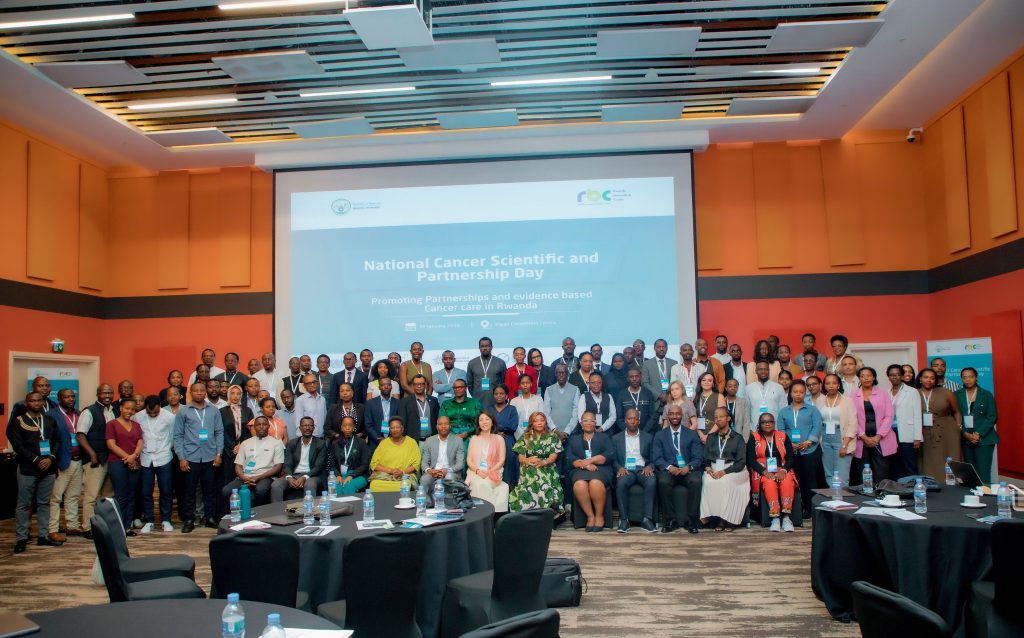
On 30 January, just ahead of World Cancer Day, leaders and partners will gather in Kigali for a panel “Building a Skilled Healthcare Workforce to Advance Cancer Care in Rwanda,” co-hosted by the Ministry of Health of Rwanda and City Cancer Challenge (C/Can).
The panel brings together government leaders, clinicians, educators, and partners to reflect on Kigali’s cancer care journey, from joining the C/Can network in 2018, through the formal handover of C/Can-supported initiatives to national leadership in 2023, to continued consolidation of results through 2025. It will also feature the release of the Kigali Impact Report, which brings together the outcomes, lessons, and practical insights from the collaboration between 2018 and 2025.
Kigali’s engagement has always been led by local priorities and institutions. C/Can’s role was to convene, connect partners, and support implementation. The results reflected in the Impact Report show what is possible when workforce development is embedded within national systems and designed for sustainability.
Sophie Bussmann-Kemdjo, C/Can Regional Director of Africa and Europe
A City-Wide Effort, Designed and Owned Locally
Cancer remains a significant public health challenge in Rwanda, shaped by late-stage presentation and persistent constraints across workforce capacity, diagnostics, and continuity of care. As a home to Rwanda’s main cancer referral facilities, the city plays a central role in how cancer services are delivered and in how system-level improvements can inform national progress.
Kigali joined the C/Can network in 2018, and brought together the Ministry of Health, the Rwanda Biomedical Centre (RBC), the City of Kigali, healthcare providers, civil society, and patients through C/Can’s City Engagement Process Framework (CEPF). This structured, step-by-step approach began with a city-wide needs assessment and situational analysis, mapping services, workforce capacity, and patient pathways across the cancer care continuum.
The findings informed the prioritisation of key gaps and the co-design of targeted actions, ensuring solutions were grounded in evidence and lived experience. More than 345 stakeholders from 27 institutions contributed to the process, strengthening coordination, accountability, and alignment with national priorities. Kigali’s experience has served as a practical demonstration of how city-level action can inform national cancer system strengthening.
Workforce Development at the Centre of the Strategy
One message emerged consistently: without a skilled, supported workforce, system improvements cannot be sustained. For patients, this translates into earlier diagnosis, more consistent treatment, and better continuity of care.
Through a formal collaboration with the Ministry of Health’s Health Workforce Development Department, capacity building was embedded within national systems and aligned with Rwanda’s 4×4 strategy to expand the health workforce.
Across the engagement, over 200 health professionals were supported through fellowships, clinical rotations, observerships, and specialised training in oncology, pathology, radiotherapy, brachytherapy, and related disciplines. Alongside clinical skills, these initiatives strengthened multidisciplinary teamwork, mentorship, and institutional learning.
Through the implementation of our 4×4 strategy, the Ministry of Health has set an ambitious goal to significantly expand Rwanda’s health workforce. Our collaboration with C/Can has contributed meaningfully to this objective by strengthening the capacity of the cancer care workforce. In particular, this collaboration has allowed us to adequately train the personnel needed to roll out the new brachytherapy services in Rwanda. This partnership demonstrates how targeted collaboration can accelerate workforce development while improving access to quality cancer care.
Dr Menelas N. Keshimana, Head of Department, Health Workforce Development, Ministry of Health
From Planning to Practice: What Changed
The Kigali Impact Report, released alongside the roundtable, reflects a shift from planning to practical, system-level change. Key achievements include stronger coordination across institutions, standardised clinical and operational practices, improved patient navigation, and a more prepared workforce to support service expansion.
Key highlights include:
- Governance and coordination: 345 stakeholders engaged across 27 institutions
- Implementation: 6 priority projects designed and implemented through a city-led and locally owned process
- People: 200+ health professionals supported through capacity development initiatives
- Systems: Standardised protocols and operational guidance introduced across pathology, imaging, and oncology services
- Patient: navigation tools, including digital solutions, developed to support more efficient care pathways
Together, these outputs demonstrate how city-level action can strengthen the foundations of a national cancer care system.
The Handover: Embedding Sustainability
This continued implementation under national leadership reflects a deliberate focus on sustainability, placing ownership, coordination, and future development firmly within national leadership and systems.
Looking Ahead: Kigali’s Learning, Shared Beyond
The Kigali panel provides a platform to showcase results, exchange lessons, and plan the next steps . Participants will review progress, discuss remaining workforce gaps, and inform a five-year workforce forecast aligned with Rwanda’s national cancer control plan and health professions development strategy.
Beyond Kigali, the experience and learning generated through this journey continue to inform C/Can work across its global network of cities. Insights from Kigali, particularly on workforce planning, governance, quality standards, and multisectoral collaboration have strengthened C/Can’s City Engagement Process and support more effective, locally led action in diverse contexts.
For C/Can, Kigali reinforced the importance of early government leadership, co-design, and planning for sustainability from the outset, principles that now guide engagements across the network. As Rwanda continues to advance cancer care, Kigali remains connected within the C/Can global network as a valued source of experience and peer learning.
City Cancer Challenge extends its sincere thanks to the Ministry of Health, the Rwanda Biomedical Centre, the City of Kigali, healthcare institutions, city institutions, and all partners who contributed to this collaboration.
- Financing partners: Fondation S, Icon Group, MSD, Pfizer, Roche, Sanofi, Takeda.
- Technical partners: American Society of Clinical Pathology, American Society of Clinical Oncology, International Society of Nurses in Cancer Care, The Icon Group, Tata Memorial Hospital, African Palliative Care Association, Partners in Health-Malawi, Ocean Road Cancer Institute, Kenyatta National Hospital, Kenya Network of Cancer Organizations, Aga Khan University Hospital, Catalan Institute of Oncology
Their leadership and commitment have been central to strengthening cancer workforce capacity in Kigali and advancing a sustainable model for national cancer services.