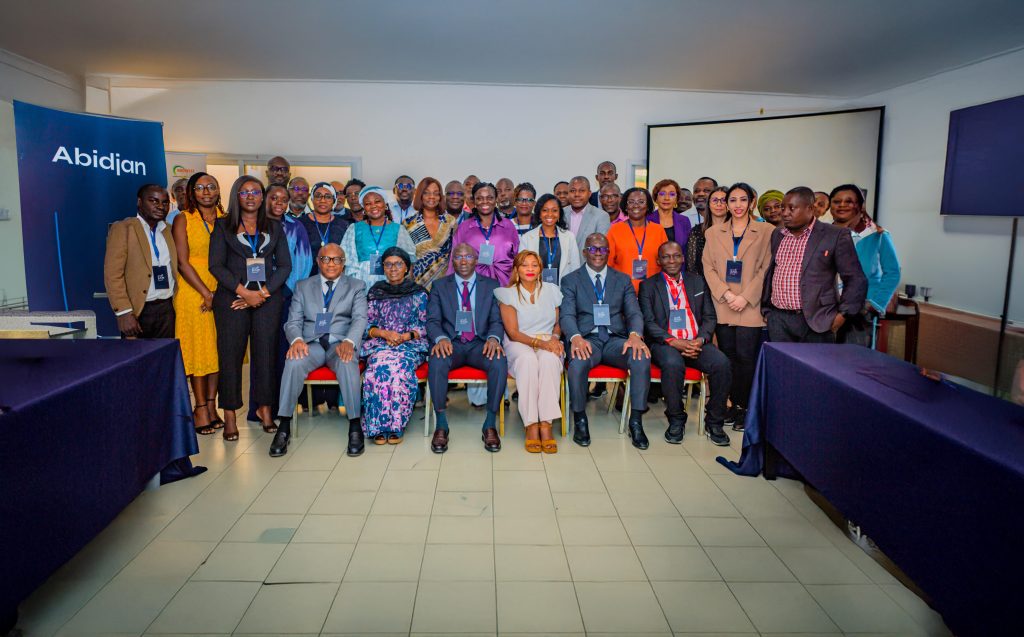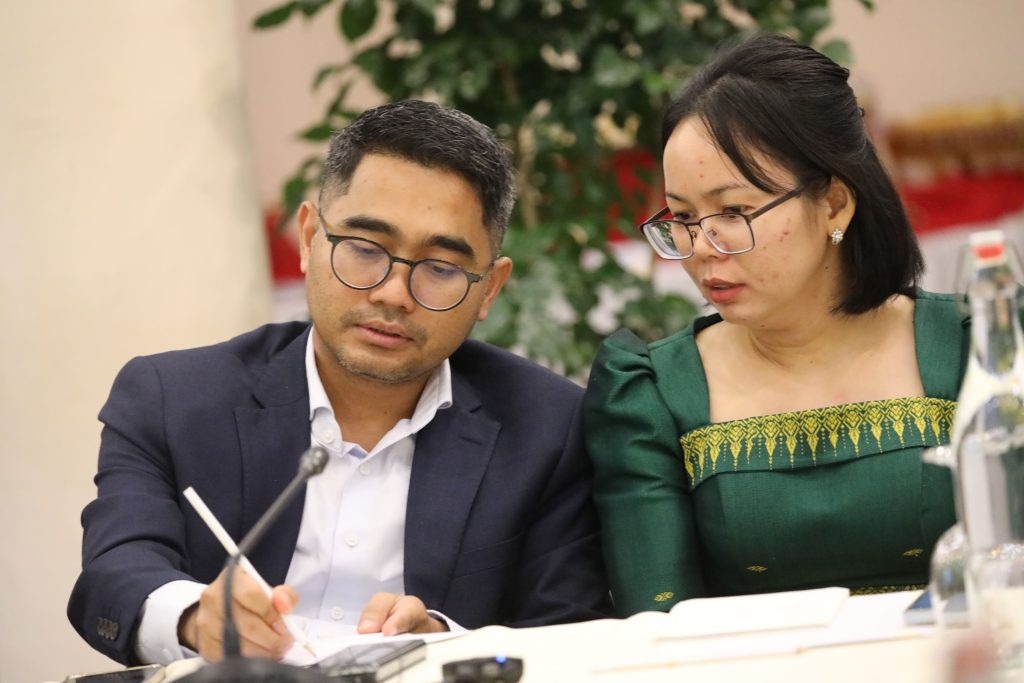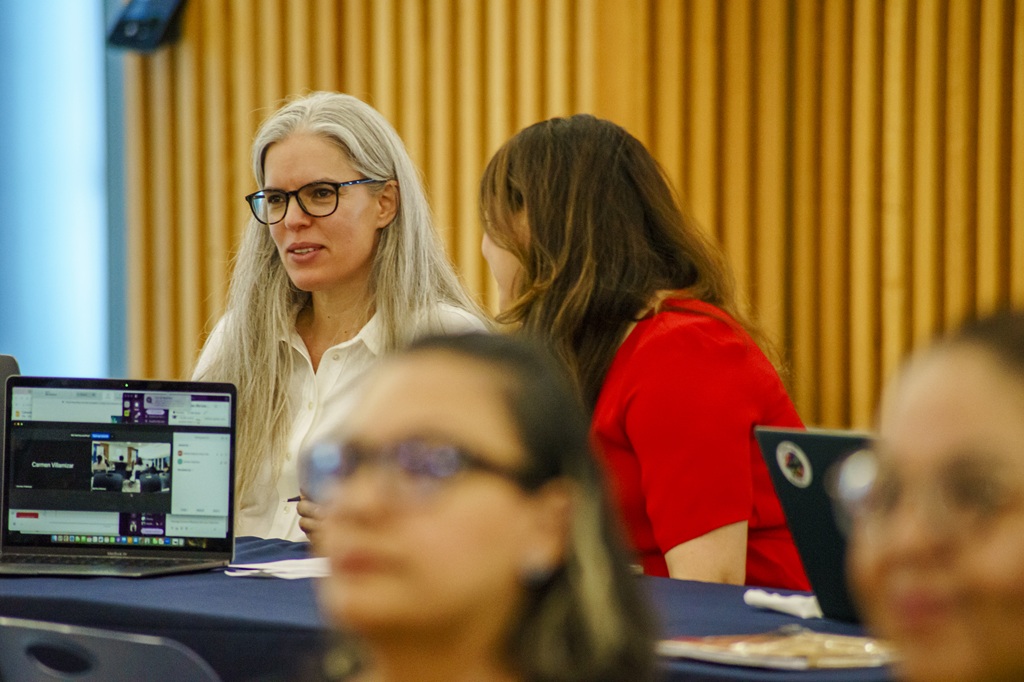
As Cambodia faces a rapid rise in non-communicable diseases (NCDs), including cancer, a team of international cancer care experts representing City Cancer Challenge (C/Can), the American Society of Clinical Oncology (ASCO), the American Society of Clinical Pathology (ASCP), the International Atomic Energy Agency (IAEA), the Federation of Asian Organizations for Radiation Oncology (FARO), the International Society of Nurses in Cancer Care (ISNCC) and WHO Collaborating Centre for Building Country Capacity in Palliative Care and Long-Term Care (WHOCC) joined forces in Phnom Penh from 19- 21 November 2025 to support national efforts to strengthen cancer care.
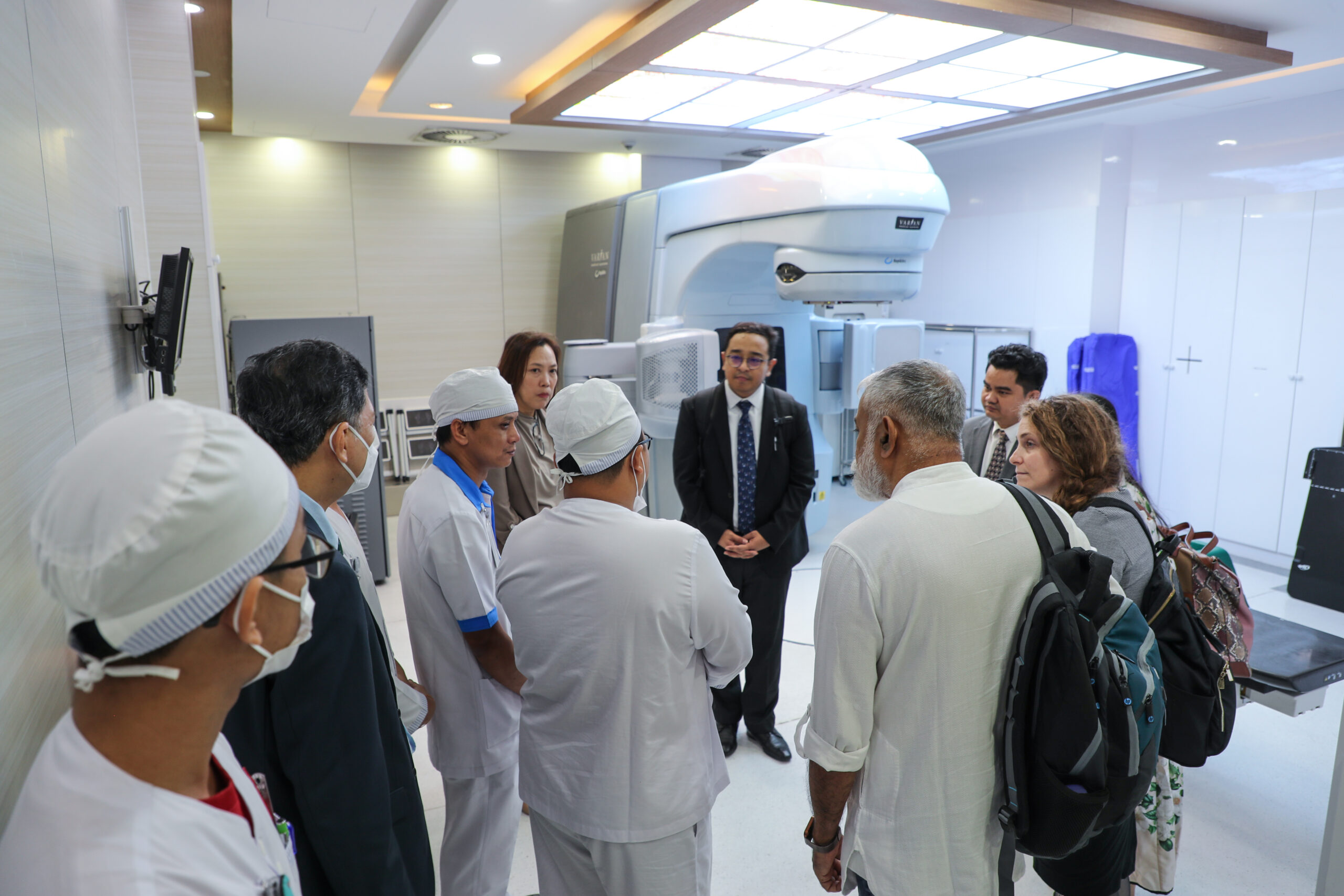
Mortality from NCDs in Cambodia has climbed from 52% in 2014 to 64% in 2018, with cancer accounting for 14% of these deaths. To address this challenge, C/Can and ASCO co-led a Multidisciplinary Cancer Management Course (MCMC), combining hospital site visits (Calmette Hospital), technical exchanges, and an intensive three-day training workshop focused on multidisciplinary team (MDT) approaches to cancer care.
Strengthening Local Health Systems Through Collaboration
During a site visit to Calmette Hospital, Dr. Thet Ko Aung, Senior Manager of Technical Cooperation at C/Can, commented on the strong commitment of Calmette Hospital’s administrative to multidisciplinary team care to cancer patients:
The administrative support to address cancer treatment and care is amazing,” he said. “The challenge is now in scaling up and standardising multidisciplinary team implementation to make quality cancer care accessible to all patients.
Cambodian health professionals highlighted the practical barriers they face when implementing multidisciplinary care. Dr. Thou Sarameth, MDT Coordinator at Calmette Hospital, noted that an overwhelming caseload places considerable pressure on resources and clinical teams, making it difficult to schedule regular MDT meetings. He added that while MDT exists, roles, workflows and processes are still not standardised and clearly defined.
This collaboration with international experts helps us structure how we work together and establish clear and effective MDT protocols.
Empowering Local Expertise
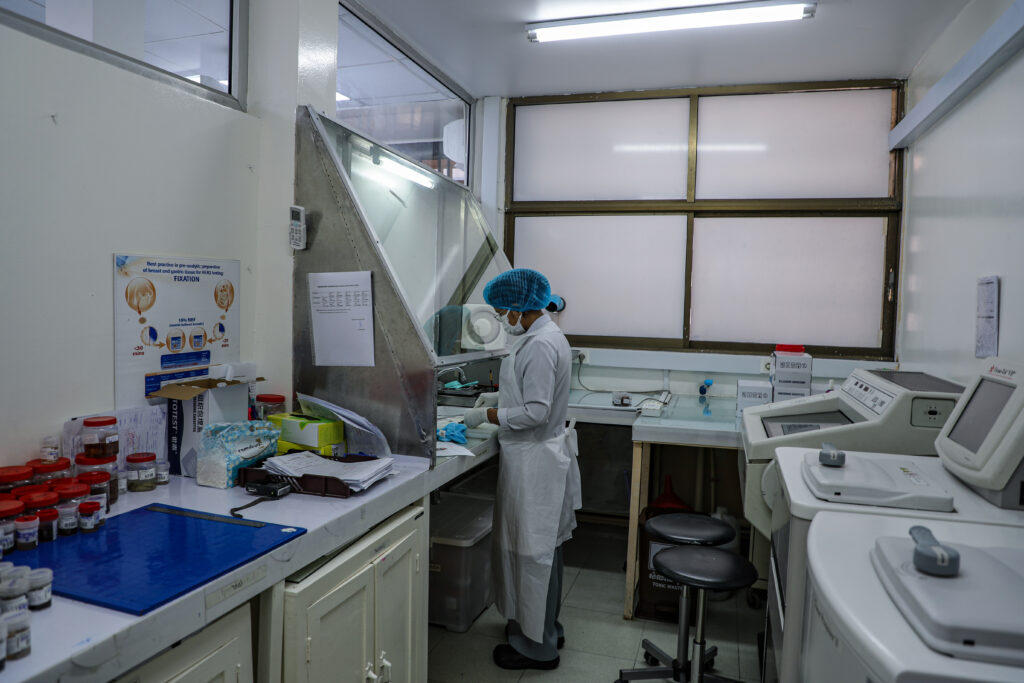
The multidisciplinary cancer management courses (MCMC) reflect C/Can’s long-standing commitment to technical cooperation and local capacity development, ensuring that global knowledge is thoughtfully adapted to the priorities and realities of each C/Can city. By strengthening local expertise rather than relying on external, short-term solutions, the programme helps build sustainable systems for high-quality cancer care.
This programme builds on ASCO’s training but is tailored to the needs of a C/Can City” Dr. Aung explained. “By connecting Cambodian health professionals with global expertise, we’re ensuring that solutions are both evidence-based and context-approrpriate.
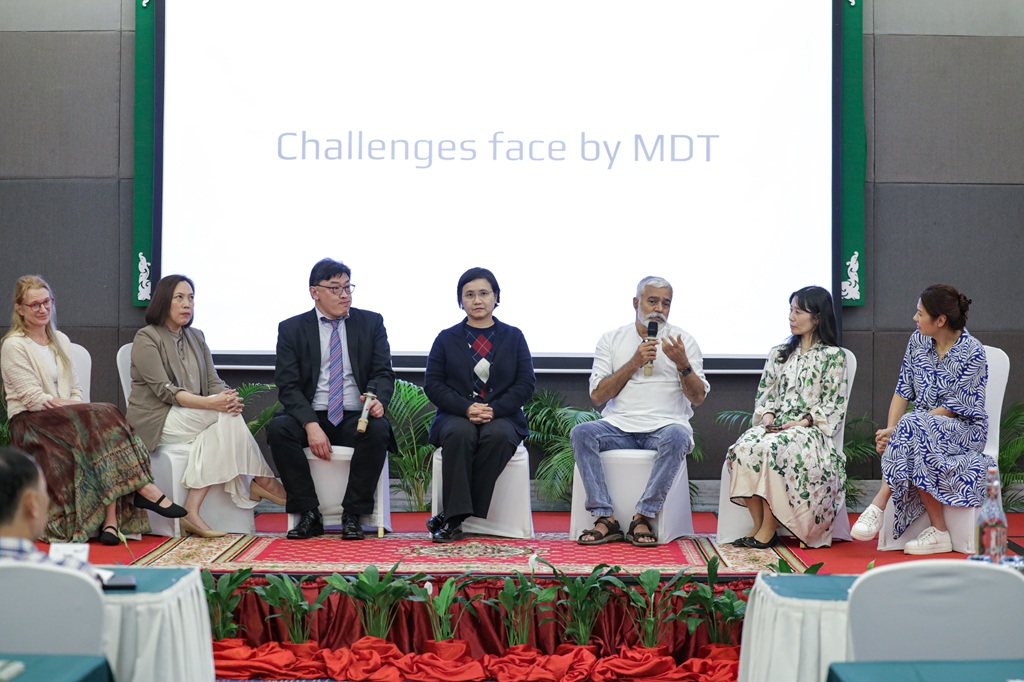
Through this approach, clinicians gain practical skills they can apply immediately, fostering a more coordinated, multidisciplinary model that improves patient outcomes today while strengthening the workforce for the future.
Dr Winnie So, President of the International Society of Nurses in Cancer Care (ISNCC), emphasised strong engagement of Cambodian teams and the two years of groundwork that led to this workshop
This is clear evidence of the commitment as well as state-of-the-art facilities.
The workshop placed particular emphasis on breast cancer management, the most common cancer among Cambodian women. By offering advanced, targeted education, the programme seeks to equip local healthcare professionals, many of whom have limited access to further training, with the skills and knowledge necessary to deliver patient-centred care that reflects individual needs and preferences.
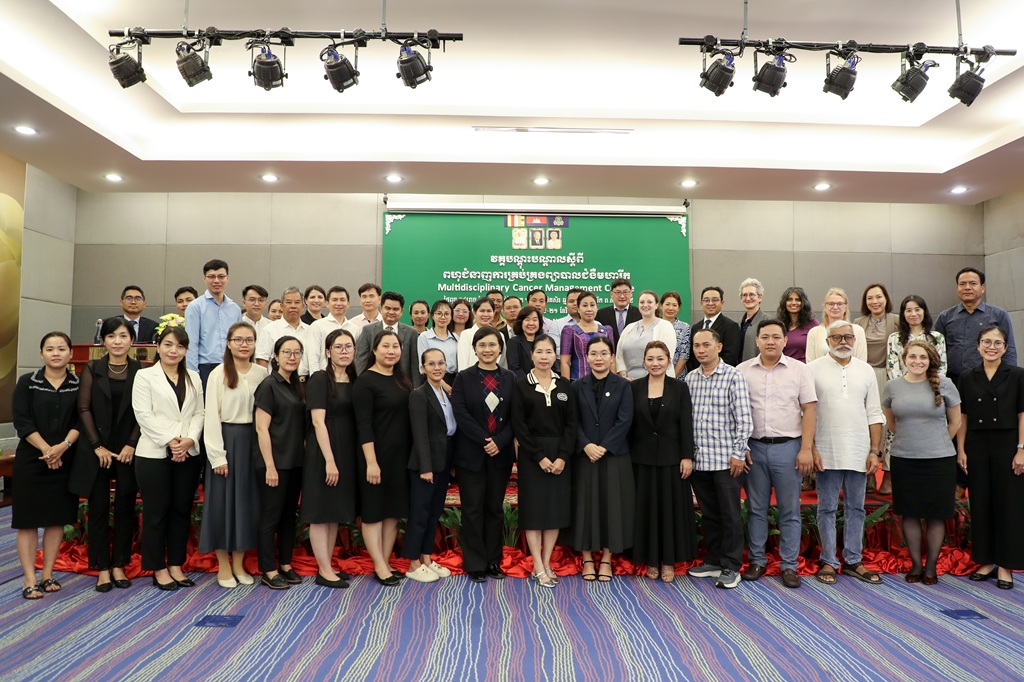
A Shared Commitment to Sustainable Change
H.E Prof. KONG Sonya, Director of Calmette Hospital, welcomed the collaboration and reiterated the hospital’s commitment to improving cancer services:
The Ministry of Health’s efforts in executing this cancer project in collaboration with C/Can over the past year stand as a commendable achievement for all involved.
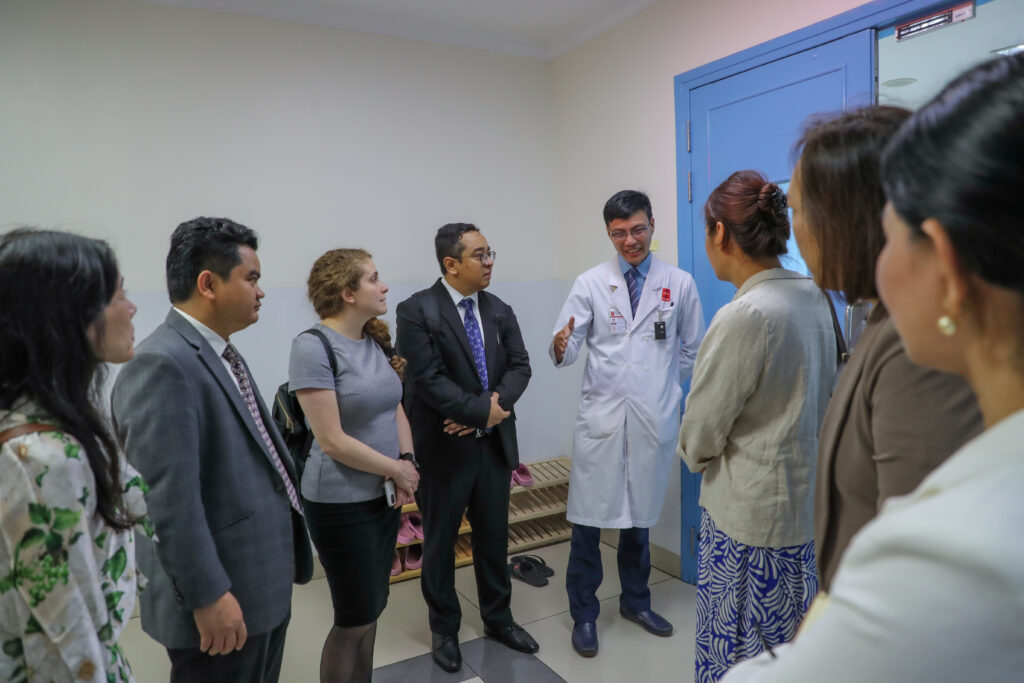
C/Can’s approach goes beyond bringing international expertise to Cambodia, by empowering local professionals to lead lasting change and bridging Cambodian commitment with international collaboration, the partnership is developing sustainable, city-led solutions, like the standardization of MDT practices, that address disparities in cancer care access for all patients.
With cancer mortality projected to rise by 40% by 2030, strengthening MDT is a critical step to improving the quality of care. Initiatives like the MCMC are contributing to a future where every person in Cambodia has access to quality cancer care, delivered by a skilled and powerful local healthcare workforce and teams.