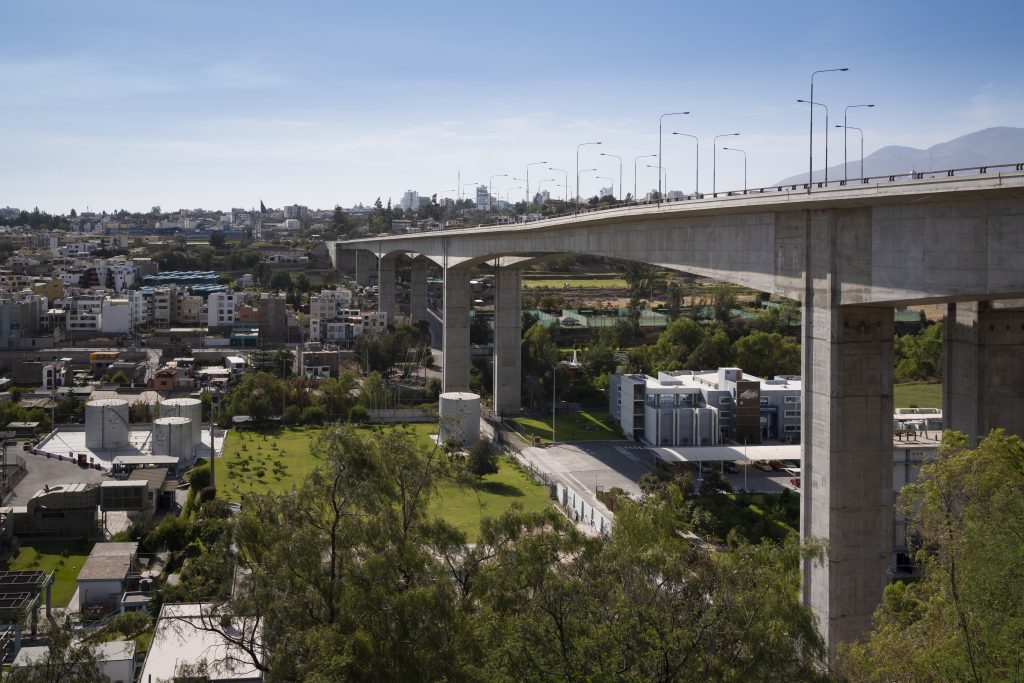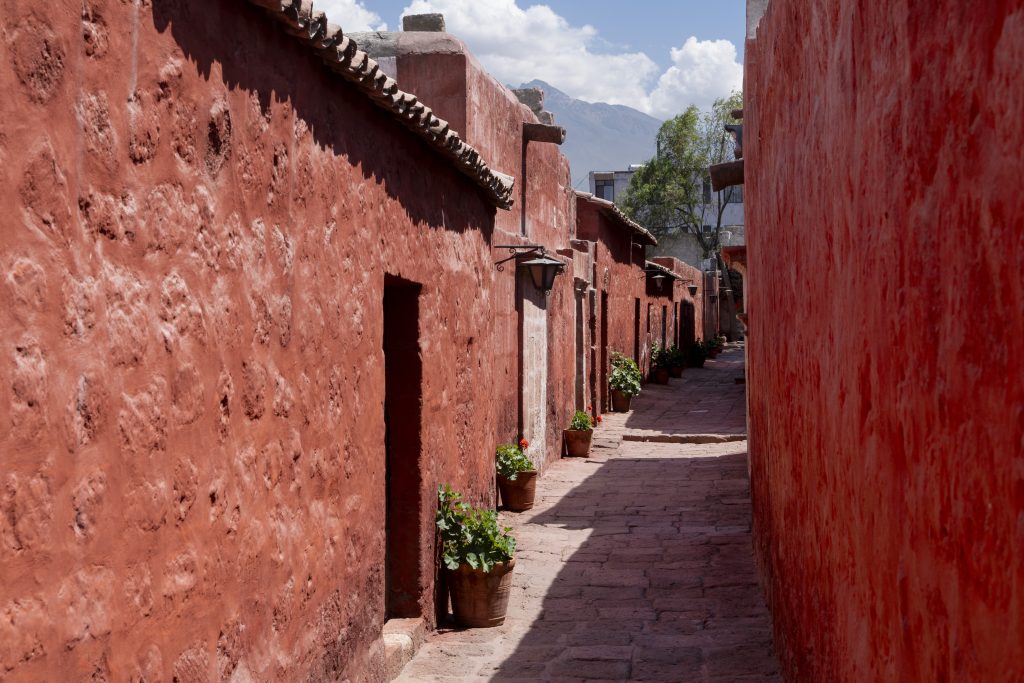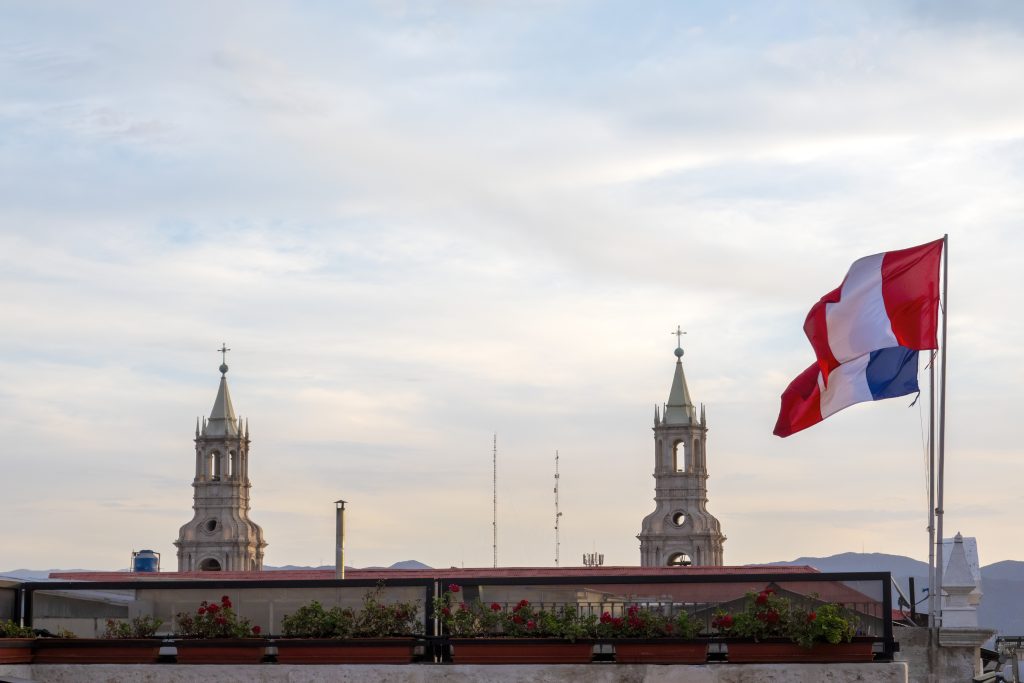
Arequipa, Peru
Strengthening the early detection strategy for childhood cancer in Arequipa.
Strengthening the Strategy for Early Detection of Childhood Cancer in Arequipa.
Gaps in process standardisation and quality across the pre-analytical, analytical, and post-analytical stages of anatomical pathology services in Arequipa are contributing to extended cancer diagnosis waiting times and delays in treatment initiation.
A shortage of trained professionals, including medical technologists and biologists, is impacting the efficiency and accuracy of anatomical pathology services.
Standardise quality processes across the pre-analytical, analytical, and post-analytical stages in anatomical pathology laboratories.
Strengthen capacity by developing and implementing a multidisciplinary training course for laboratory teams in sample processing and diagnostic interpretation.
The Ministry of Health of Peru is developing a technical document outlining the minimum requirements for the establishment of healthcare service units for anatomical pathology.
In collaboration with the Ministry of Health and public and private sector stakeholders, we will develop a quality manual for pathology laboratories, ensuring alignment with, and inclusion in, the forthcoming regulatory document.
Strengthening and Standardising Anatomical Pathology Services across the Pre-Analytical, Analytical, and Post-Analytical Stages in Arequipa, Peru.

Civil society plays a critical role in ensuring that the voices and needs of patients remain at the centre of cancer care. Through this partnership, we look forward to working alongside government, healthcare providers and communities to promote awareness, early detection and patient support across Kampala.

The Ministry of Health welcomes Kampala’s partnership with C/Can, which aligns with Uganda’s national cancer control priorities and strengthens efforts to provide equitable, quality cancer care across the country.
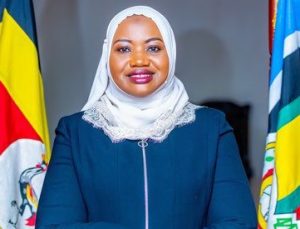
This partnership with C/Can will enable Kampala city to accelerate progress in cancer care, ensuring equitable access to quality services for our citizens.

Kampala’s partnership with C/Can represents an important opportunity to reinforce coordination across providers, expand capacity and ensure that patients receive the care they need.
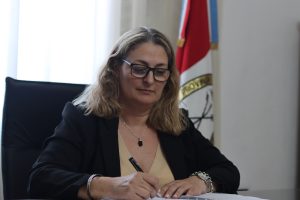
Santa Fe supports locally led projects in Rosario, working with the city and C/Can to improve equitable access to quality cancer care.
Strengthening the Strategy for Early Detection of Childhood Cancer in Arequipa.
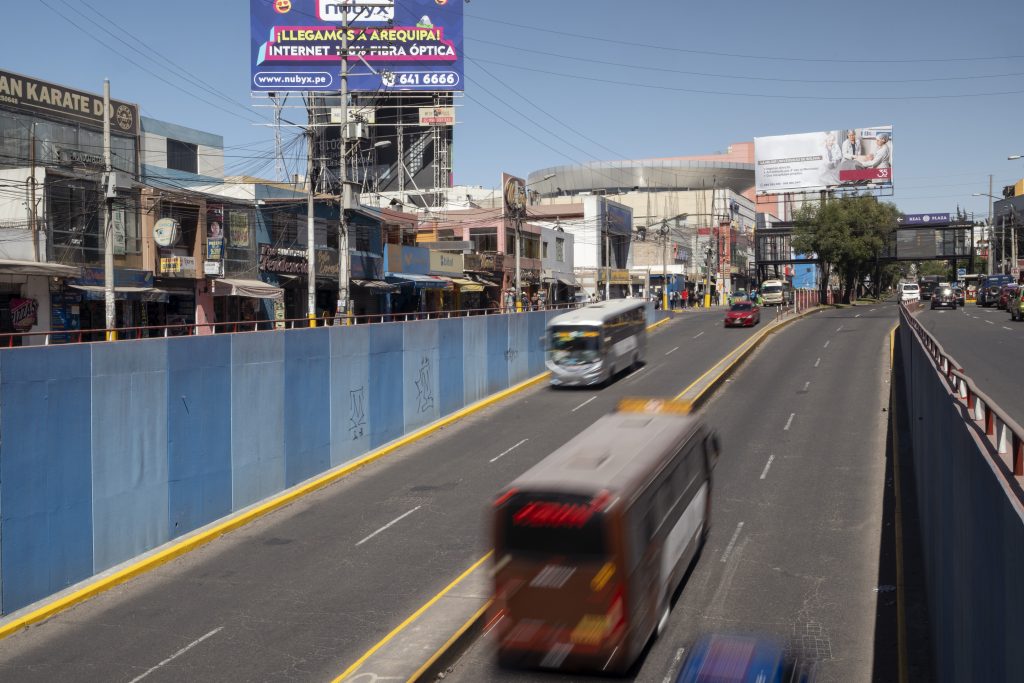
Surgical Oncology Quality Strengthening and Capacity Development Plan for Cancer Patients in Arequipa
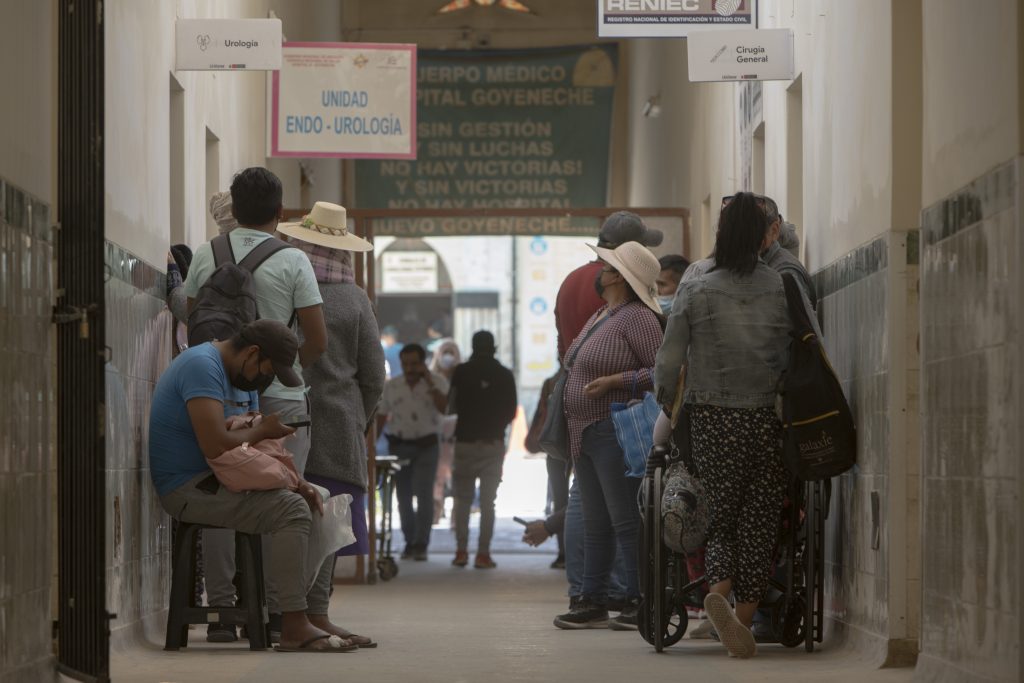
Strengthening Radiology Capacity for Cancer Care in the Public Sector in Arequipa, Peru.
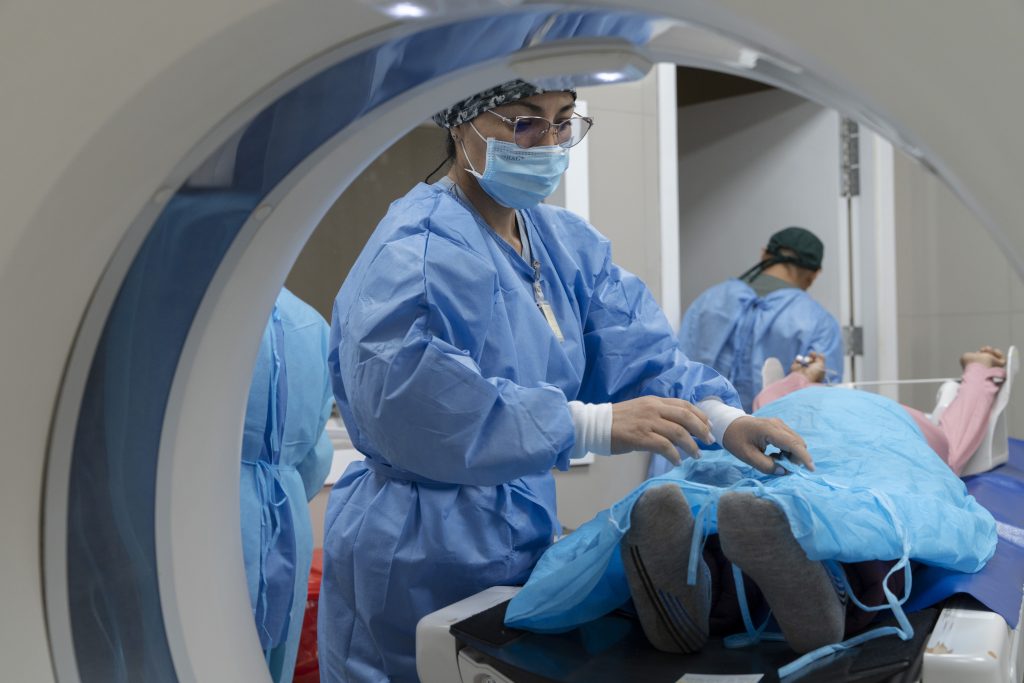
Improving Cancer Diagnostics by Strengthening Nuclear Medicine Services in Arequipa and the Macro South Region, Peru.
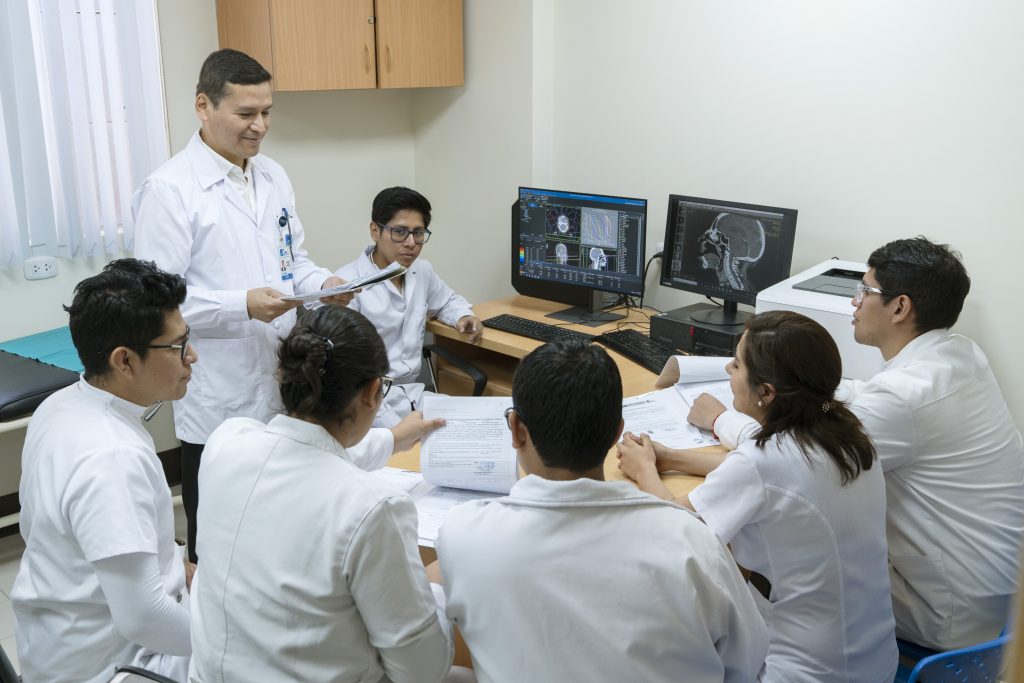
Strengthen the Capacity of Public-Sector Radiotherapy Services in Arequipa, with an Extended Impact Across the Southern Macro Region of Peru.
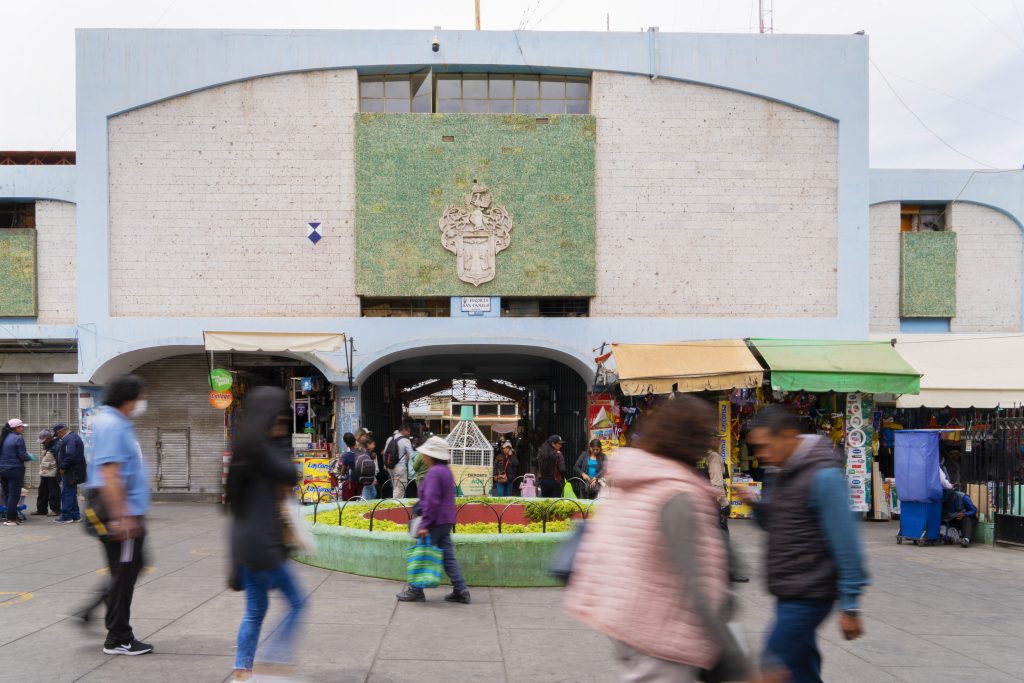
Strengthening Cancer Health Services to Improve Cervical and Breast Cancer Outcomes in Arequipa.
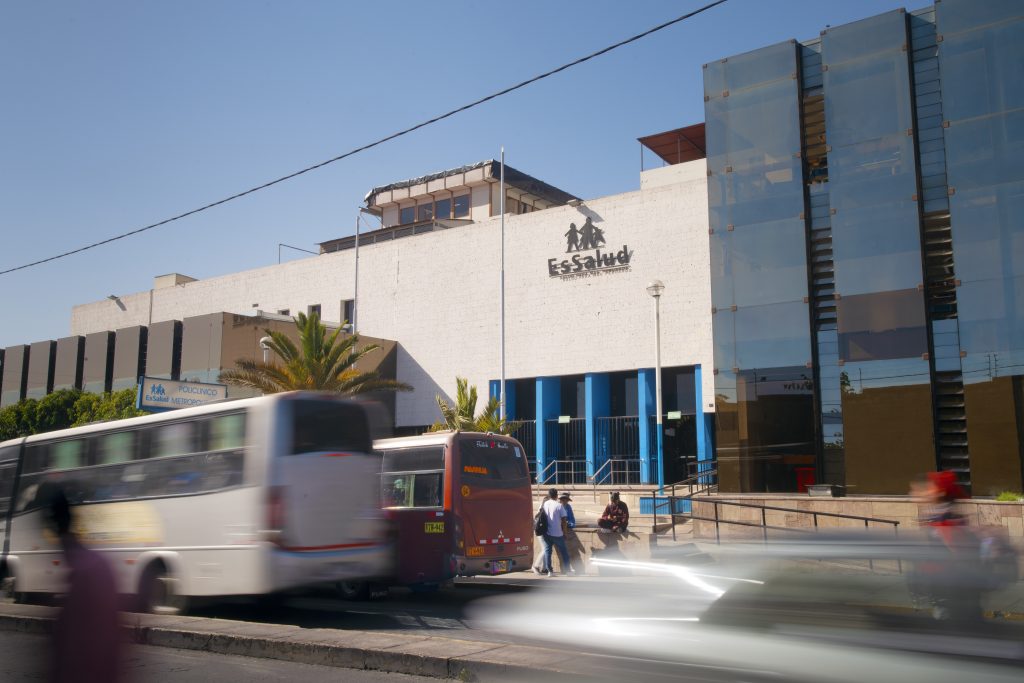
Understanding the Financial Burden of Cancer Care and Budget Execution in Arequipa.
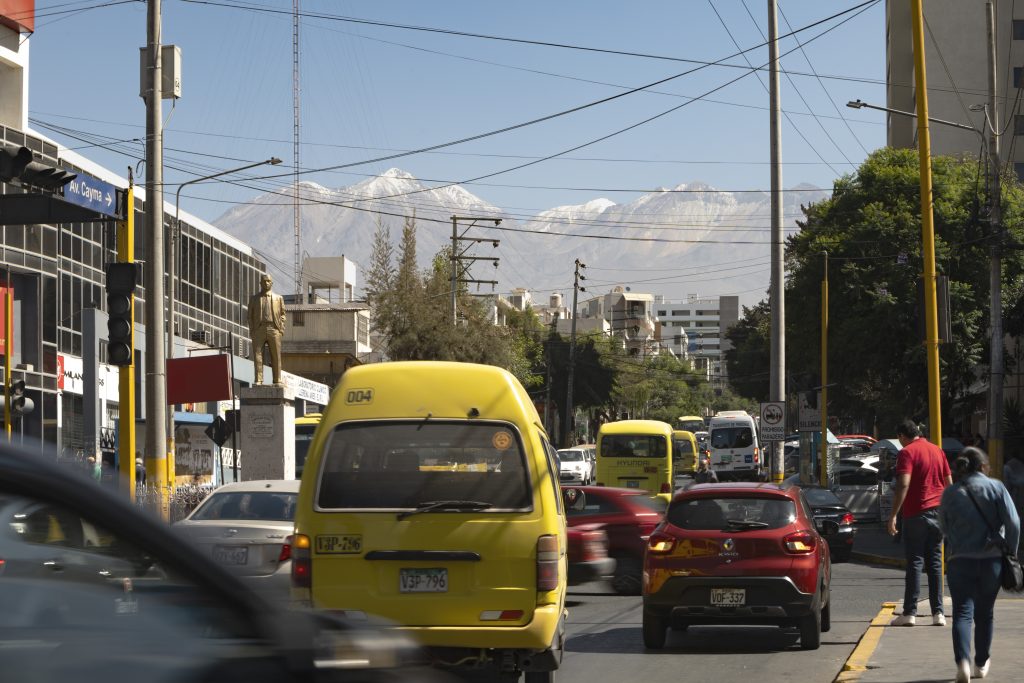
Strengthening Information and Data Management Across Hospitals in Arequipa, including Cancer Registry Standardization.
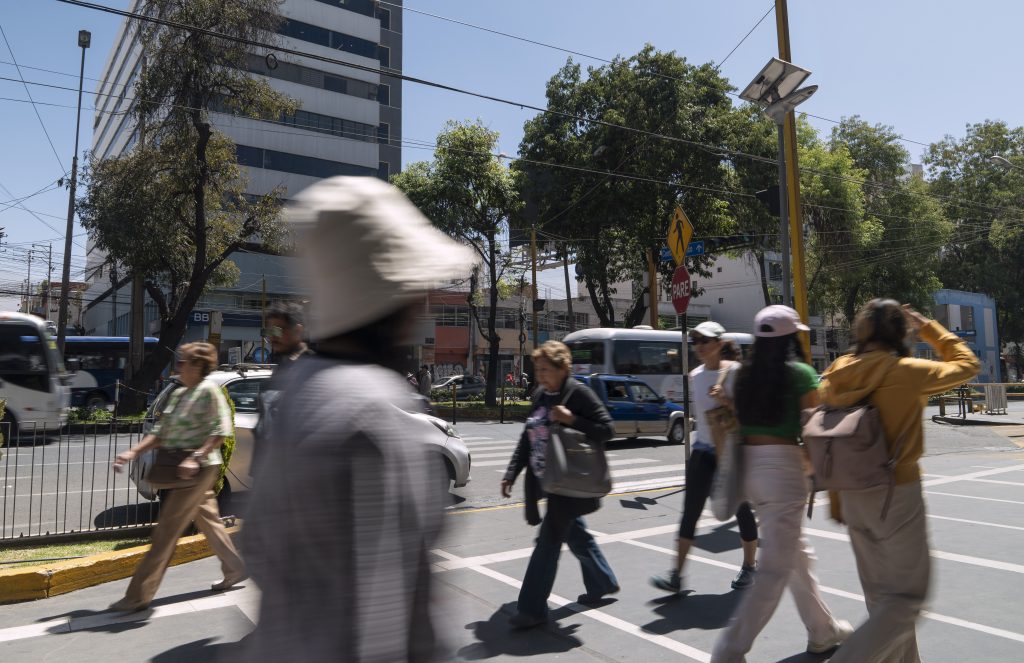
Plan for Strengthening Quality, Safety and Multidisciplinary Teams for Cancer Care in Arequipa
This website uses its own and third-party cookies to improve the browsing experience. Read the Cookies Policy.