Arequipa, Peru
Strengthening the early detection strategy for childhood cancer in Arequipa.
Strengthening the Strategy for Early Detection of Childhood Cancer in Arequipa.
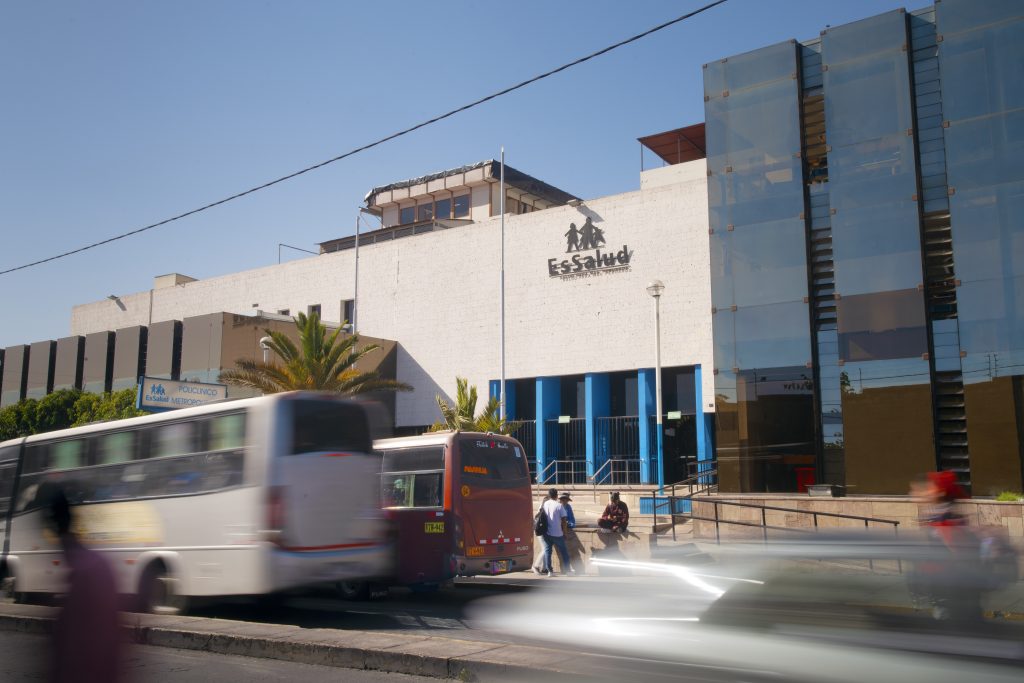
Peru has an existing legal framework that guarantees financial coverage for cancer patients to reduce out-of-pocket expenses for patients and their families. However, there is limited awareness of these financial protection rights, particularly among those covered by public insurance, leading to the normalisation of out-of-pocket expenses as a barrier to accessing cancer care.
Currently, 15.6% of cancer patients spend at least 50% of their monthly income on healthcare, while 82.8% incur out-of-pocket expenses that could potentially be covered by existing insurance systems.
Additionally,hospitals providing cancer care in Arequipa face many barriers when executing annual budgets, and compounded with the fragmented public health system and complex financing mechanisms, it is hindering the effective and efficient use of resources for patient care.
Identify the factors driving out-of-pocket expenses for prioritised cancers, beginning with an analysis of breast cancer management within Ministry of Health and EsSalud cancer care services, to inform and implement solutions aimed at reducing these costs.
Promote efficient budget execution of resources allocated to cancer management, to improve access to care and optimise the use of available resources.
Collaborate with public and private universities to lead research on out-of-pocket expenses in breast cancer diagnostics and management, with active participation from cancer care services throughout the research process and supported by C/Can for technical guidance, expert identification, and project monitoring.
Conduct a comprehensive analysis of budget execution, assessing both its level and quality, in order to identify underperforming processes and critical bottlenecks, and propose process improvement measures aimed at achieving efficient budget execution.
Understanding the Financial Burden of Cancer Care and Budget Execution in Arequipa.
Strengthening the Strategy for Early Detection of Childhood Cancer in Arequipa.
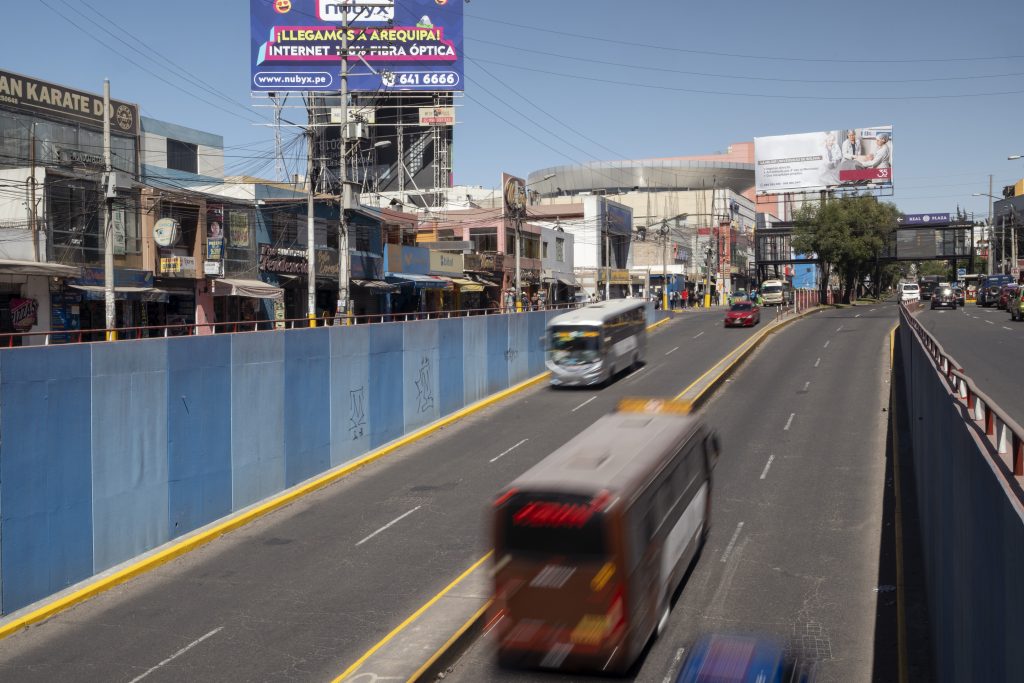
Surgical Oncology Quality Strengthening and Capacity Development Plan for Cancer Patients in Arequipa
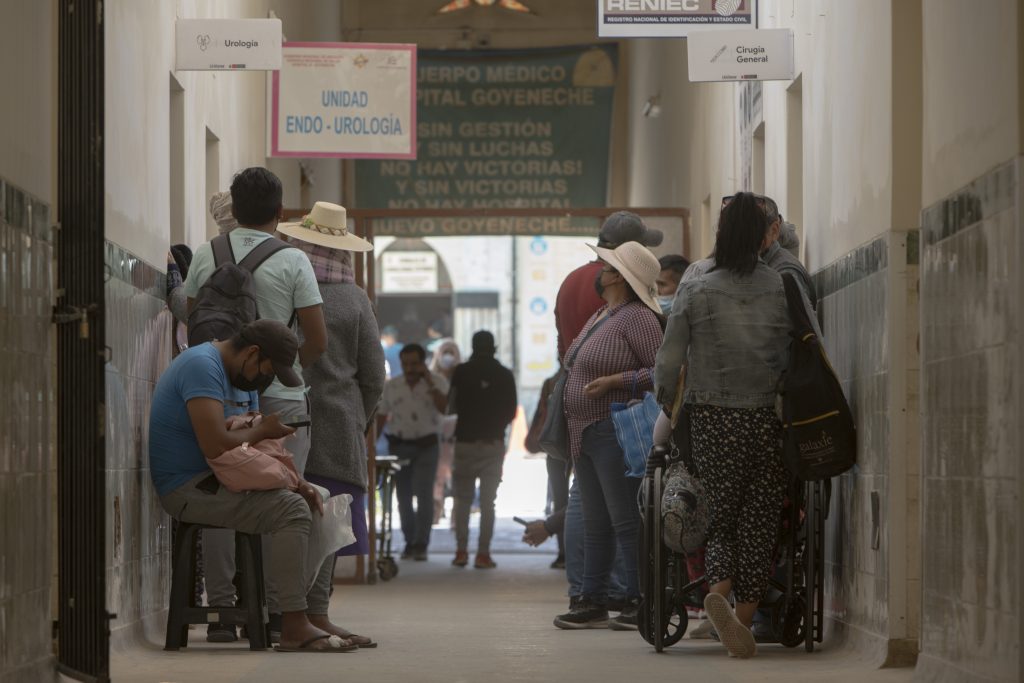
Strengthening Radiology Capacity for Cancer Care in the Public Sector in Arequipa, Peru.
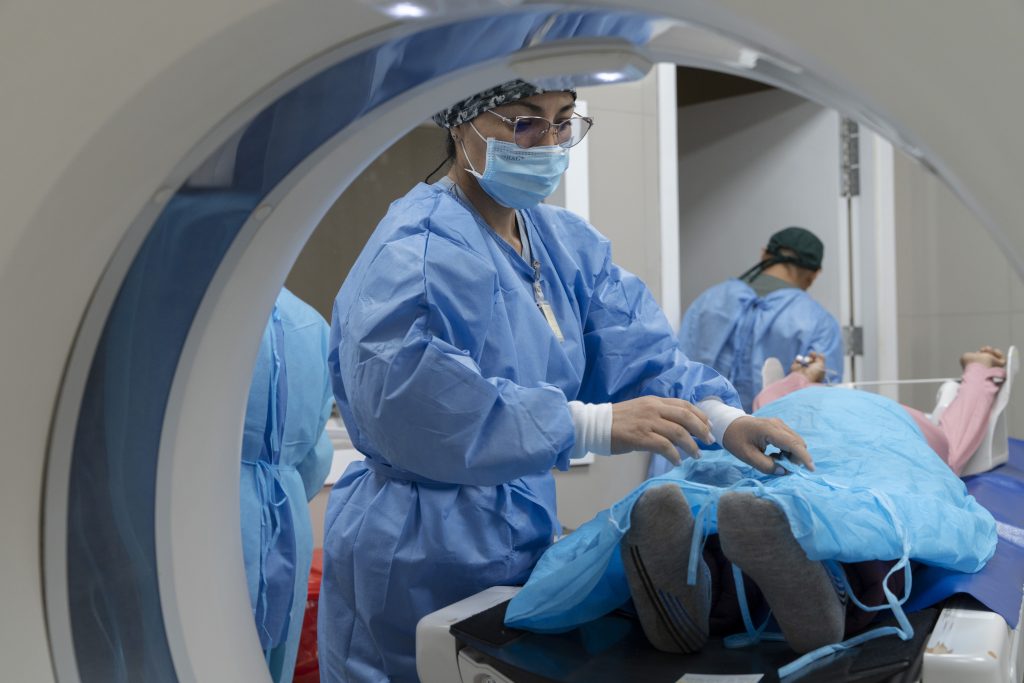
Improving Cancer Diagnostics by Strengthening Nuclear Medicine Services in Arequipa and the Macro South Region, Peru.
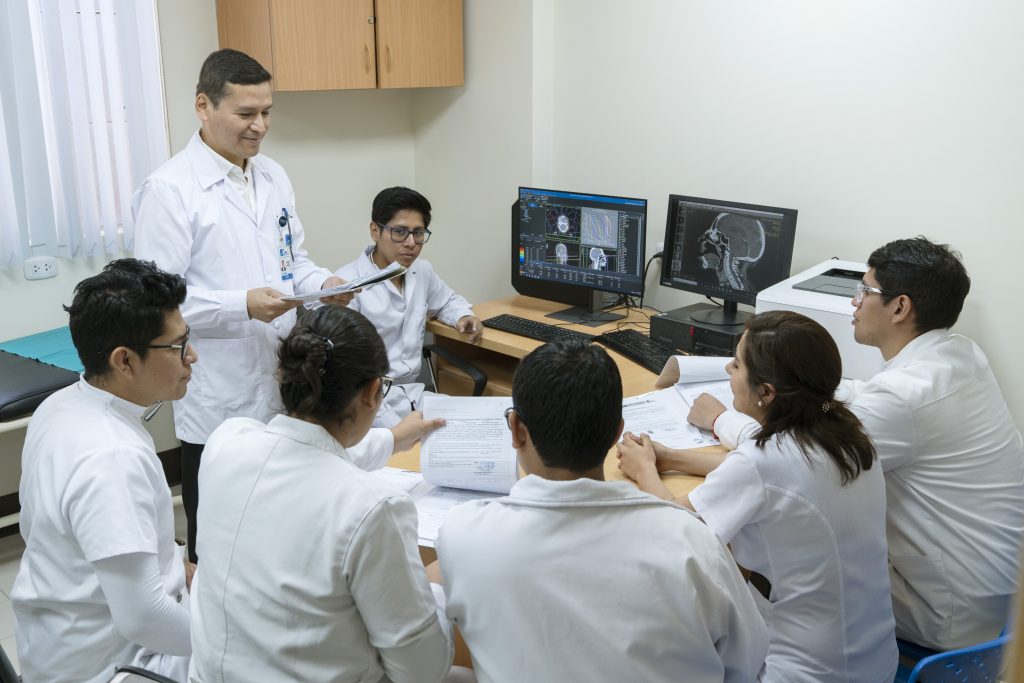
Strengthen the Capacity of Public-Sector Radiotherapy Services in Arequipa, with an Extended Impact Across the Southern Macro Region of Peru.
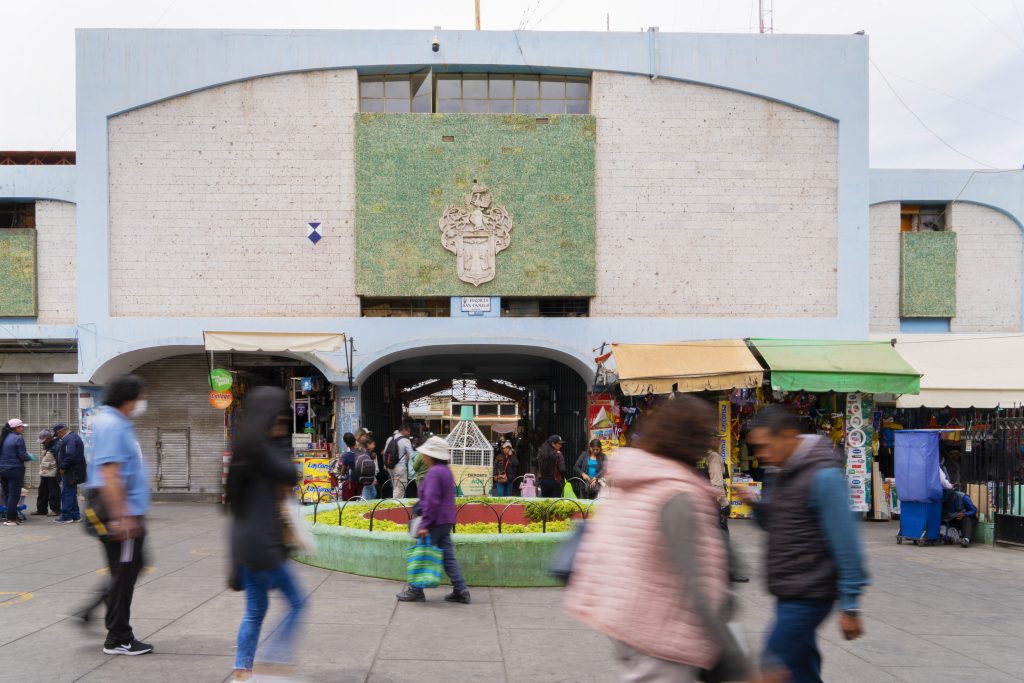
Strengthening Cancer Health Services to Improve Cervical and Breast Cancer Outcomes in Arequipa.
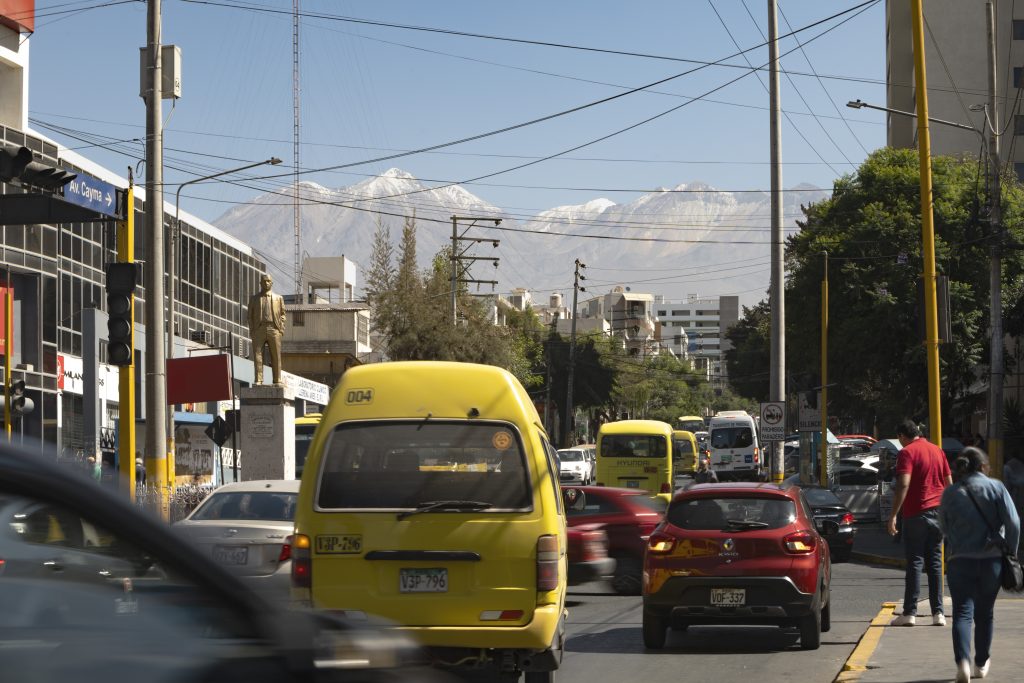
Strengthening Information and Data Management Across Hospitals in Arequipa, including Cancer Registry Standardization.
Plan for Strengthening Quality, Safety and Multidisciplinary Teams for Cancer Care in Arequipa
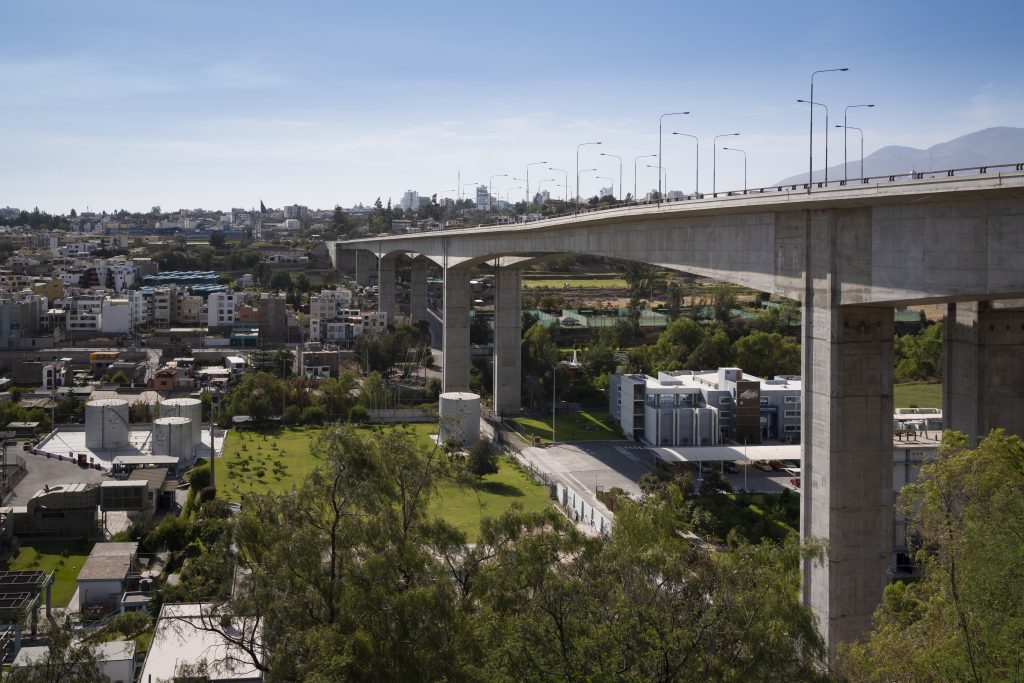
Strengthen Palliative and Supportive Cancer Care to Enhance Patients' Quality of Life in Hospital and Primary Care Levels in Arequipa.
This website uses its own and third-party cookies to improve the browsing experience. Read the Cookies Policy.