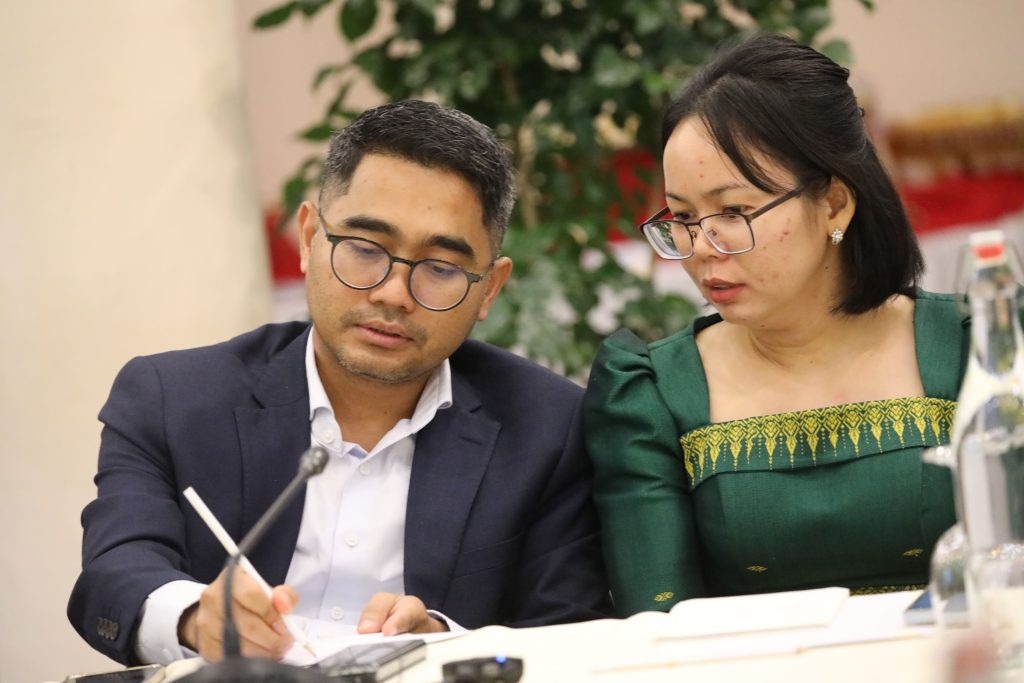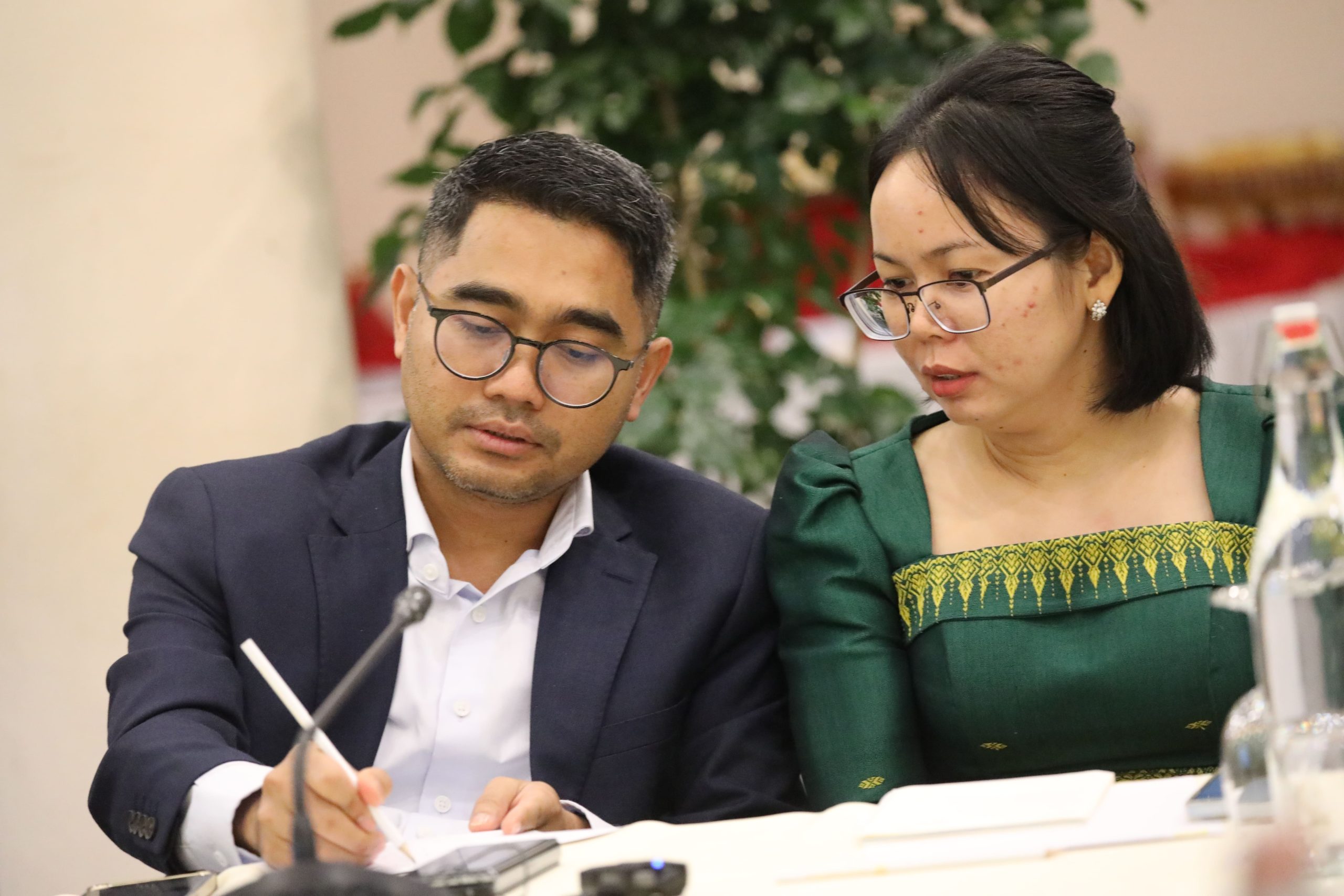
Phnom Penh is entering a new phase in its efforts to strengthen cancer care, as city leaders and international partners move from planning to implementation of priority cancer care projects. This transition was reaffirmed during the biannual meeting of the City Cancer Coordination Group (CCCG), where senior officials reaffirmed their commitment to translating planning into action.
The planning phase is now complete; it is time to move forward with implementation
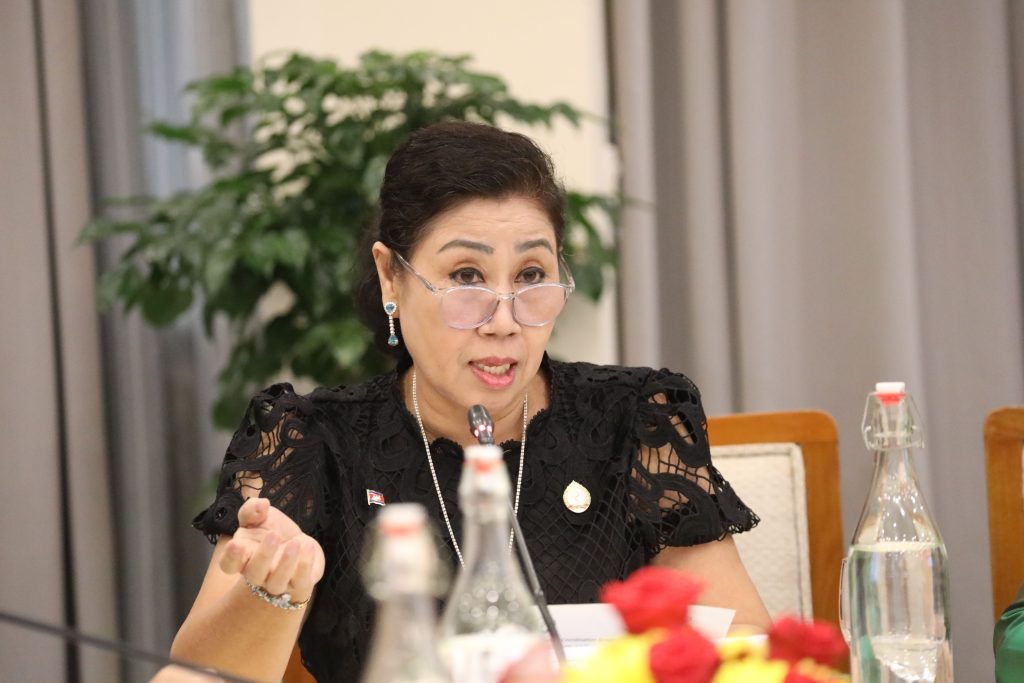
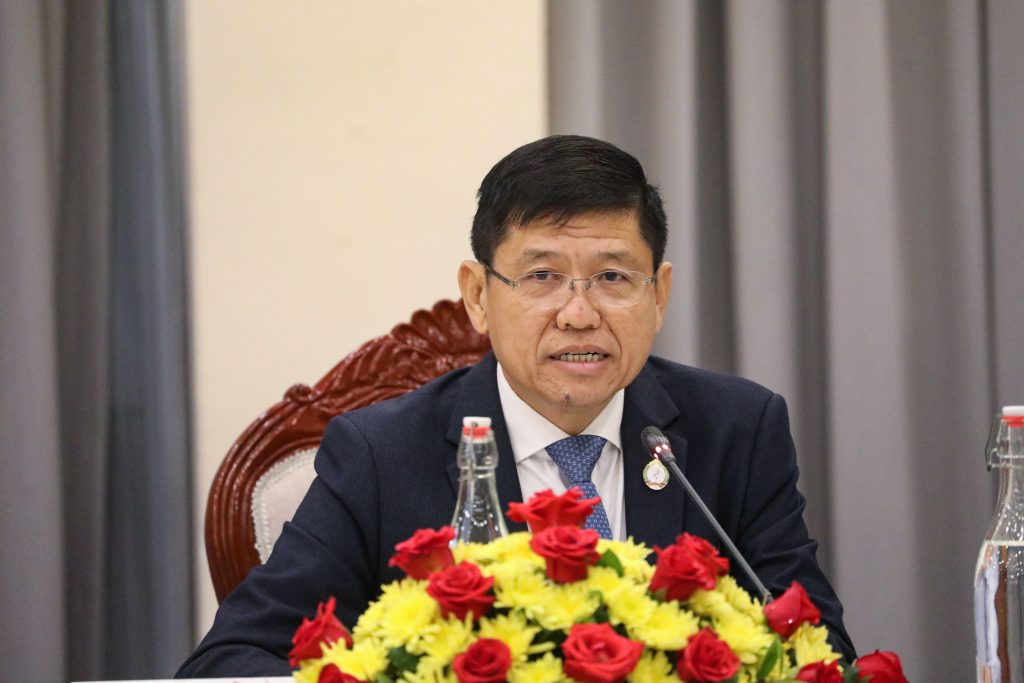
H.E. Dr Ngov Kang, Secretary of State of Cambodia’s Ministry of Health and Chair of the CCCG, setting a clear direction for the next stage of work.
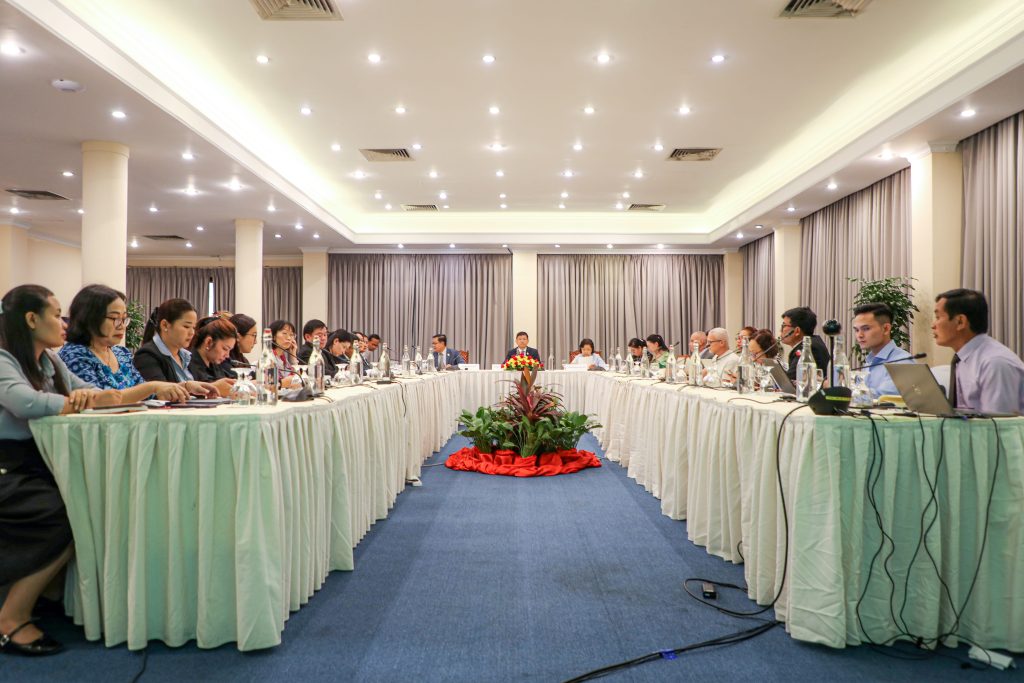
From Strategy to Action
The meeting marked an important milestone in Phnom Penh’s engagement with City Cancer Challenge (C/Can), which the city joined in 2022. More than 1.5 million residents are expected to benefit from 12 projects that are now progressing into implementation, with the aim of improving cancer prevention, diagnosis, treatment and care coordination across the city.
These discussions are critical in guiding hospital teams on what needs to be done, particularly in screening and treatment
Dr Kang noted.
They provide strategic input to manage cancer increases.
Progress Across Priority Areas
Since projects’ approval in March 2025, city authorities and clinical teams have advanced several key projects. Planning is underway for laboratory strengthening and healthcare professional training, with a scientific visit scheduled to finalise quality standards. Recent oncology medicine surveys are informing updates to Cambodia’s National Essential Medicines List, with the goal of improving patient access to essential treatments. The Multidisciplinary Cancer Management Course (MCMC) conducted in November is advancing multidisciplinary, patient-centered care in the city, and formal guidelines for conducting hospital case discussions are being developed to improve consistency and quality of care.
Addressing Challenges and Ensuring Local Ownership
Some specialist teams have also faced difficulties balancing project participation with ongoing clinical responsibilities. In response, the CCCG emphasised the need for closer coordination between project leads and frontline staff, reinforcing local ownership as a cornerstone of successful implementation.
Looking Ahead: Sustainability and Scale
A Mid-Cycle Assessment scheduled for June 2026 will evaluate the progress and sustainability of current projects and assess readiness for continued funding and scale. Evidence generated through current activities, including a planned study on out-of-pocket expenditure for cancer patients, will help inform future city health policy and resource allocation.
We are building a model that can be scaled from Phnom Penh to the entire Kingdom of Cambodia,
Dr Kang said, highlighting the city’s ambition to serve as a national reference point for cancer care reform.
C/Can representatives highlighted Phnom Penh’s rapid progress,
When we started this journey with 12 projects, we knew it was ambitious, but looking back over the past year, it’s clear that this ambition has been matched by commitment, teamwork, and real progress. Within the City Cancer Challenge network globally, Phnom Penh is emerging as one of our most active and fast-moving cities
said Chika Kitajima, Regional Director for Asia, C/Can.
We are now fully in the implementation phase of Cycle 1.
She noted that the 12 projects span the full cancer care continuum, from planning to coordination to capacity building and treatment delivery, with all projects expected to be completed by 2027.
“Building an effective cancer care system is a long-term effort”, she added. “Sustained collaboration between local authorities and international partners is essential”.
Strengthening Collaboration for Impact
In closing, Dr Kang thanked the Ministry of Health, medical professionals, C/Can, and international partners for their continued support. He called for continued strong engagement in future CGGG meetings, closer collaboration with the University of Health Sciences to address curriculum gaps and specialist shortages.
He also encouraged fast-tracking activities under the Information, Education, and Communication project by leveraging social media platforms and ensuring adequate promotion of educational materials to increase public awareness and engagement.
As implementation accelerates, Phnom Penh’s experience continues to demonstrate how city-led collaboration can drive meaningful progress in cancer care, offering lessons that extend well beyond Cambodia’s capital.