In Indonesia, breast cancer remains one of the most pressing health challenges, with too many women facing late diagnoses and limited access to treatment. Building on the country’s commitment through the National Cancer Control Plan (2024–2034) and the National Cervical Cancer Elimination Plan (2023–2030), the Ministry of Health is now turning its focus to improving breast cancer outcomes nationwide.
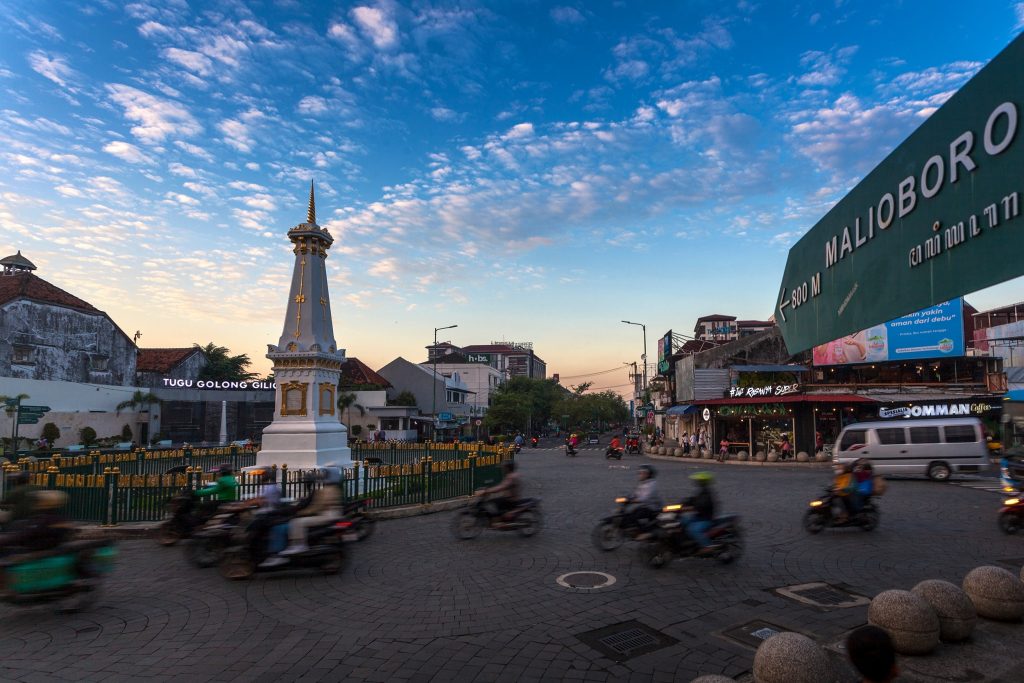
Following the successful development of national breast cancer plans in alignment with the WHO’s Global Breast Cancer Initiative (GBCI), City Cancer Challenge (C/Can) has partnered with the Ministry of Health and local institutions to support the design of a city-level breast cancer programme in Yogyakarta, and the first of its kind in Indonesia.
This new initiative, made possible through the support of Roche Indonesia, will help design a comprehensive breast cancer management plan tailored to Yogyakarta’s health system and aligned with WHO’s GBCI framework.
Through this collaboration, Yogyakarta will serve as a model city for how a data-driven, stakeholder-led approach can strengthen national cancer control efforts. The programme will equip the city with the tools to identify system gaps, improve coordination between health institutions, and define priority actions that can be implemented and scaled across the country.
Bringing together national and local leadership for lasting impact
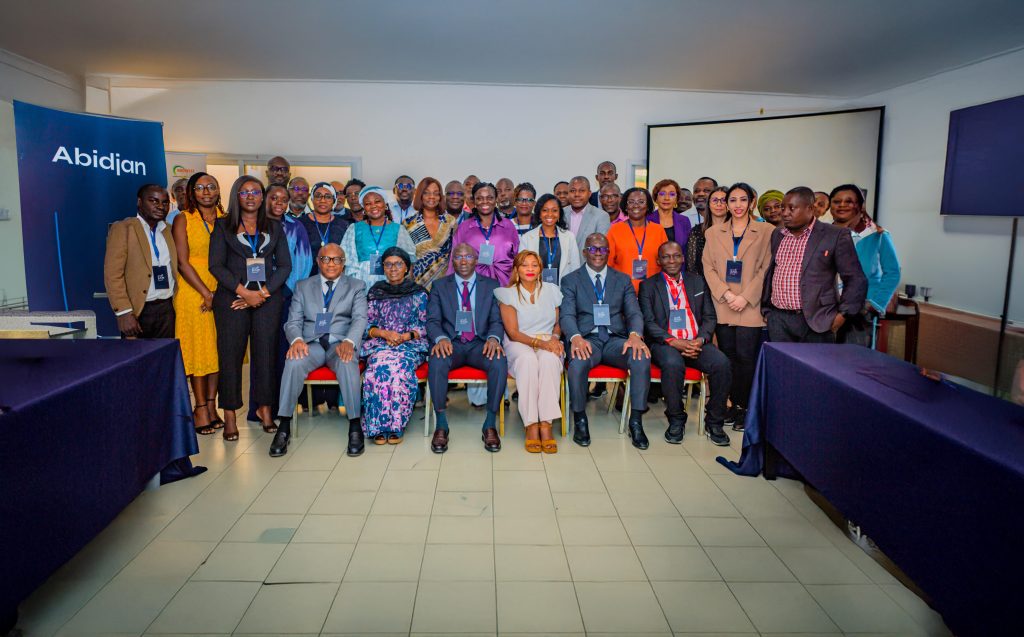
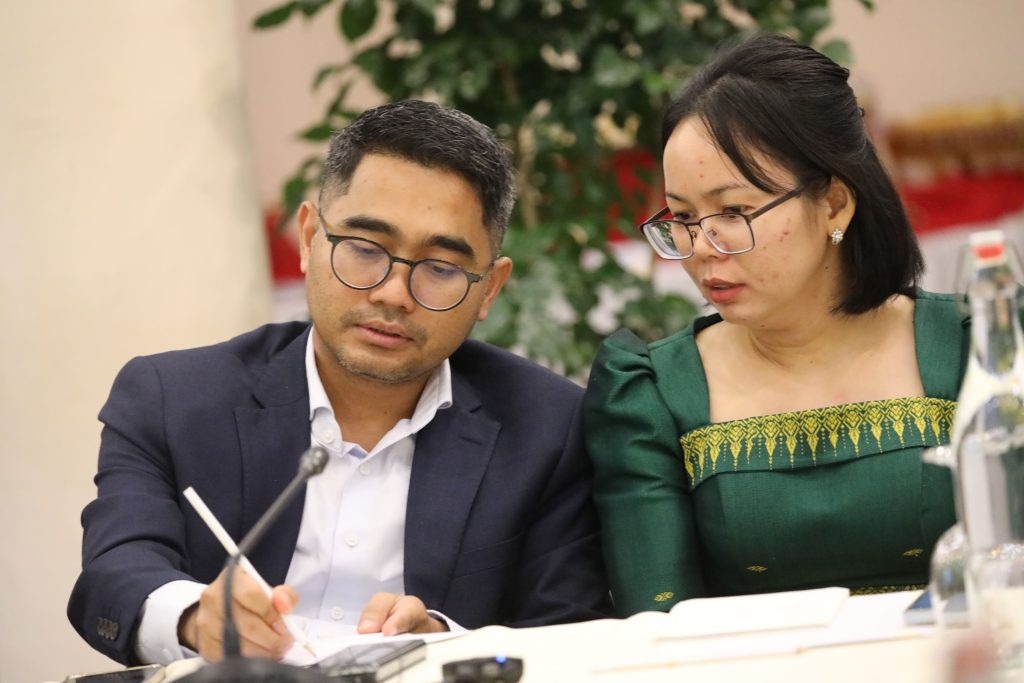
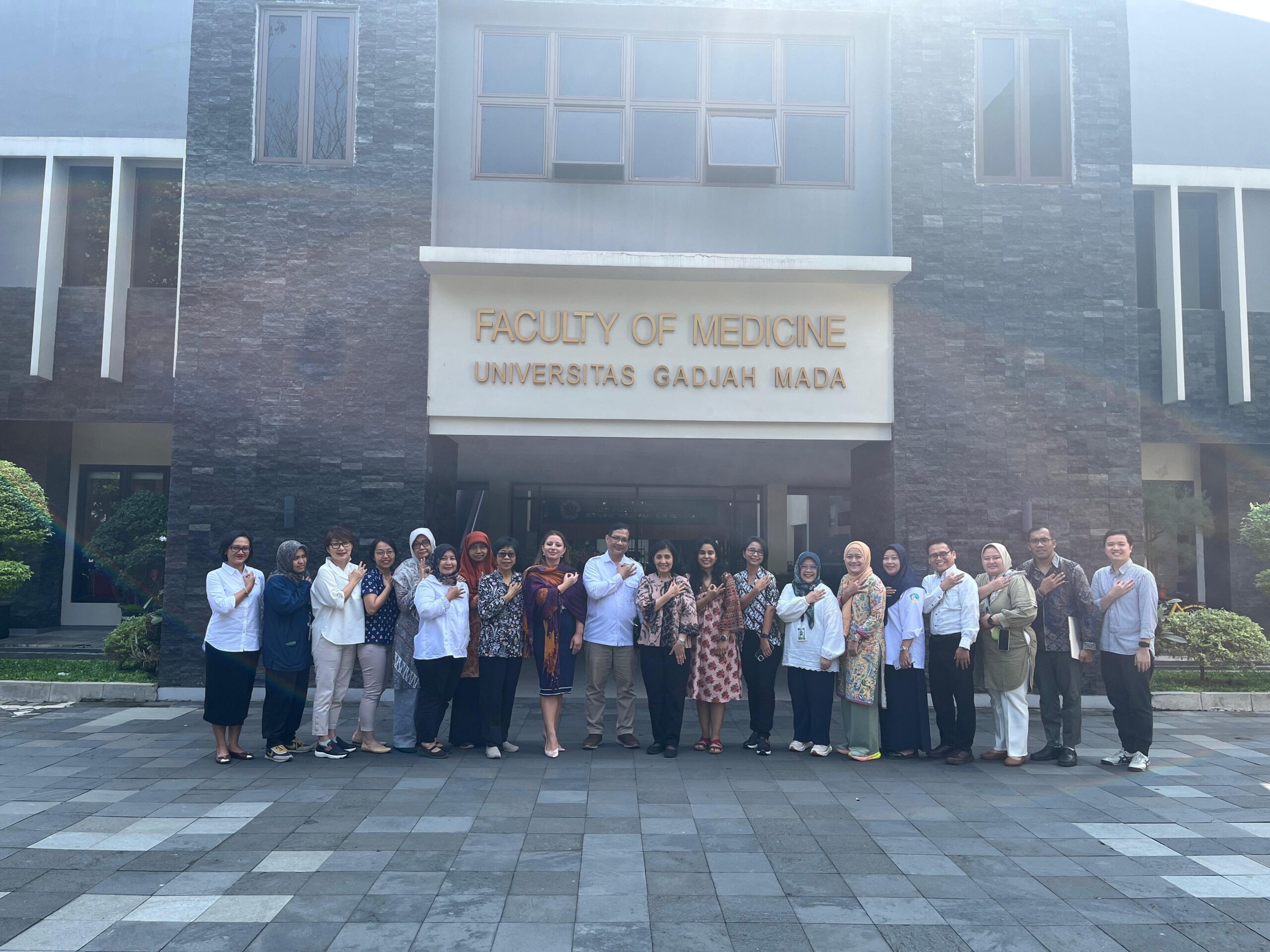
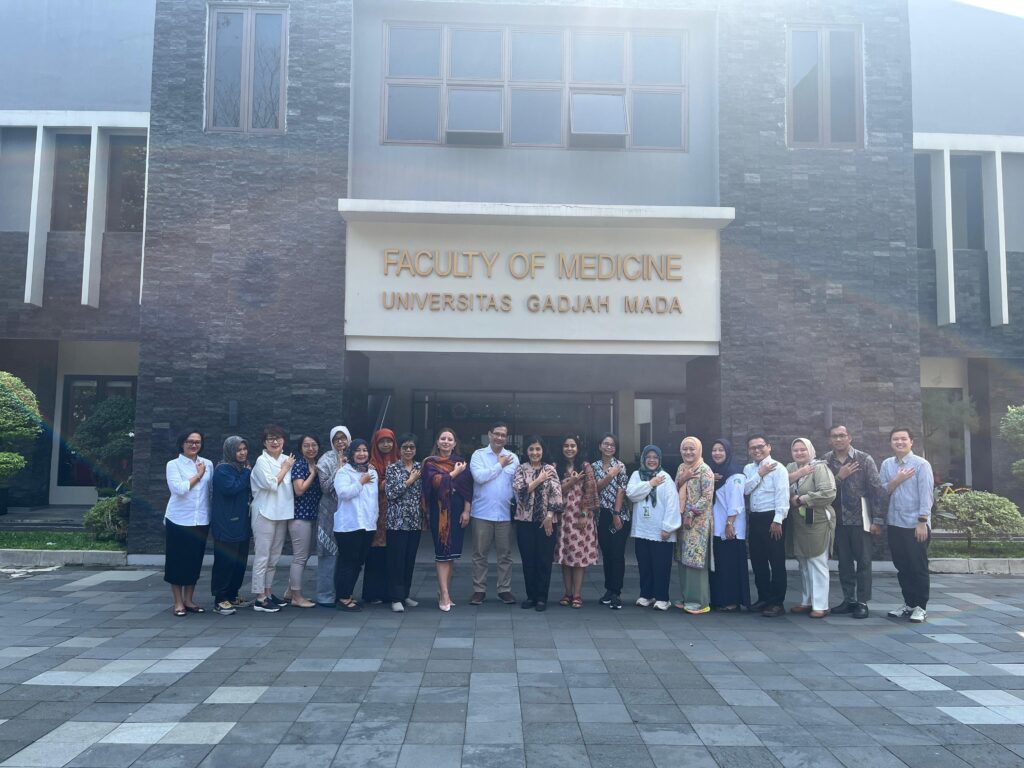
This work brings together a wide network of local and national stakeholders including the Ministry of Health, Dharmais Cancer Centre, Dr. Sardjito General Hospital, and Universitas Gadjah Mada (UGM). The level of leadership ensures that the programme is locally led and grounded in national priorities. Together, they’ll use C/Can’s tried-and-tested methodology to conduct a comprehensive needs assessment, form technical working groups, and co-develop a City Breast Cancer Action Plan that reflects both the national strategy and WHO’s GBCI framework.
As Chika Kitajima, C/Can’s Regional Director for Asia, explains:
C/Can’s model is built on responding to local needs. We bring global expertise, but our strength lies in tailoring it to each city’s context. By working alongside ministries and local partners, we help strengthen the systems that make long-term cancer care improvement possible.
This collaboration reflects C/Can’s growing role as a trusted technical partner in cancer systems strengthening – one that adapts its tools, frameworks, and expertise to help governments and cities deliver practical, context-specific solutions. By combining C/Can’s city engagement model with Indonesia’s national health priorities, the Yogyakarta programme will help establish a blueprint for how local leadership and global partnerships can accelerate progress in cancer care.
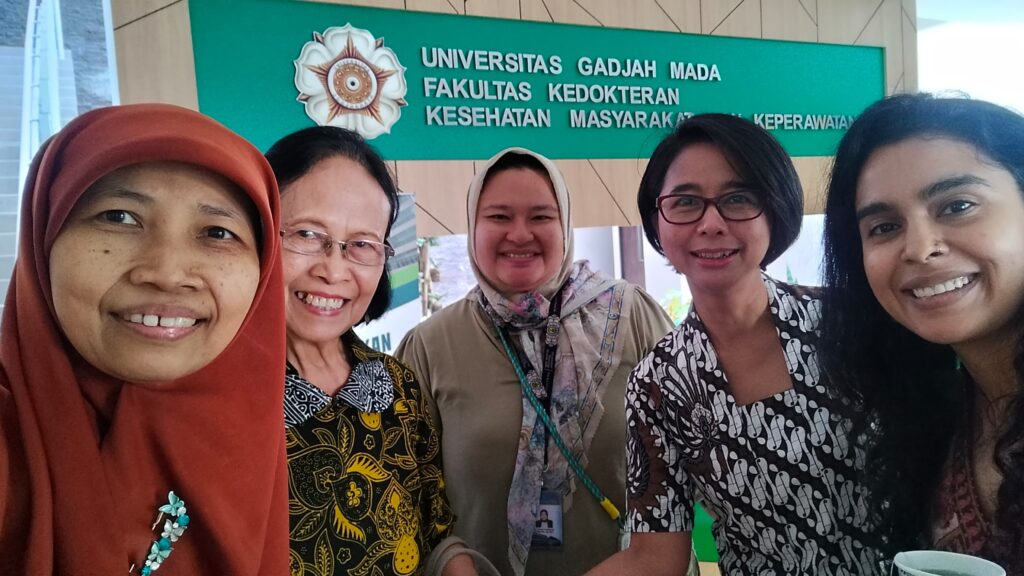 As Yodi Mahendradhata, Dean of the Faculty of Medicine, Public Health and Nursing, Universitas Gadjah Mada explains:
Sustainable progress in cancer care is only possible when national direction is matched by strong local leadership. The Yogyakarta initiative demonstrates how Indonesia’s national cancer priorities can be translated into real system improvements when cities, academic institutions, and the Ministry of Health work in full alignment. At UGM, we believe this model of locally driven, data-informed collaboration is essential for ensuring that every woman receives timely, equitable, and high-quality breast cancer care.
Building capacity for sustainable change
Our collective focus is on building systems that last. By training local teams, strengthening coordination, and establishing technical structures for collaboration, the programme ensures that improvements in patient navigation, diagnosis, and treatment pathways can continue well beyond the project’s lifecycle.
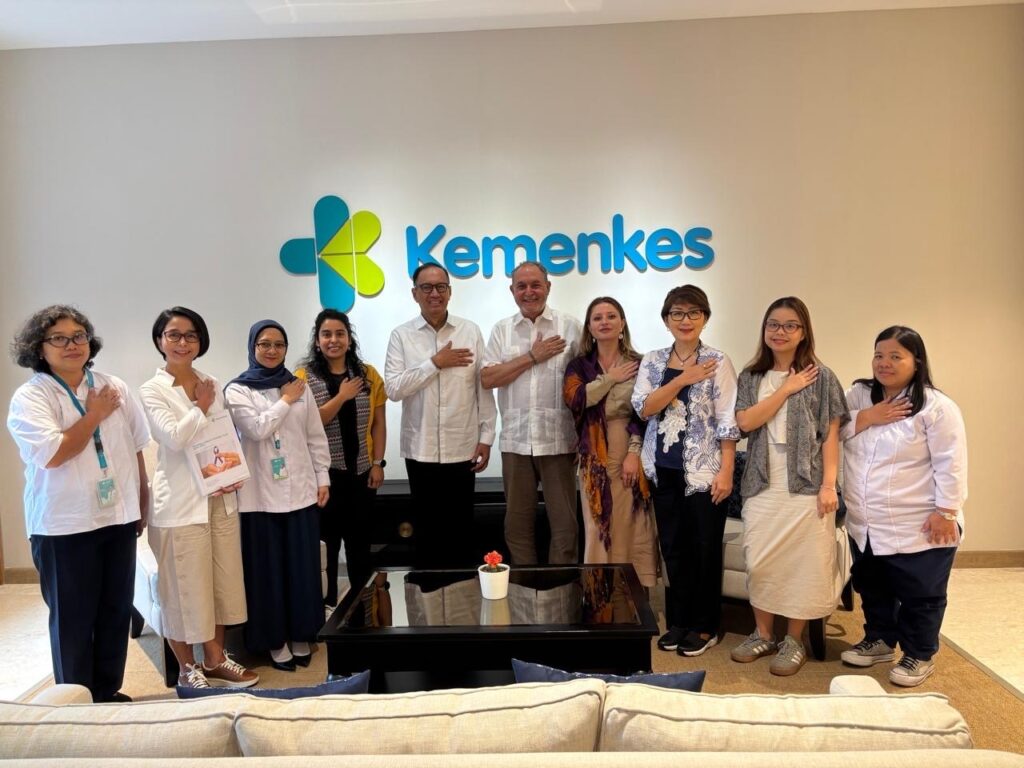
It’s a step forward in C/Can’s mission to drive equity in cancer care, ensuring that where someone lives should never determine the quality of care they receive.
This joint effort between the Ministry of Health, C/Can, WHO GBCI, and Roche Indonesia reflects a shared vision: to build resilient, equitable, and patient-centred health systems that deliver lasting impact for women living with breast cancer across Indonesia.
This joint initiative is a testament to Roche’s commitment to partner with stakeholders to strengthen the healthcare system so that patients can benefit from future innovation. We hope this model for comprehensive breast cancer care, which integrates a data-driven approach, will be adopted by the government and scaled nationally for better breast cancer outcomes across Indonesia.
Sanaa Sayagh, President Director, PT Roche Indonesia