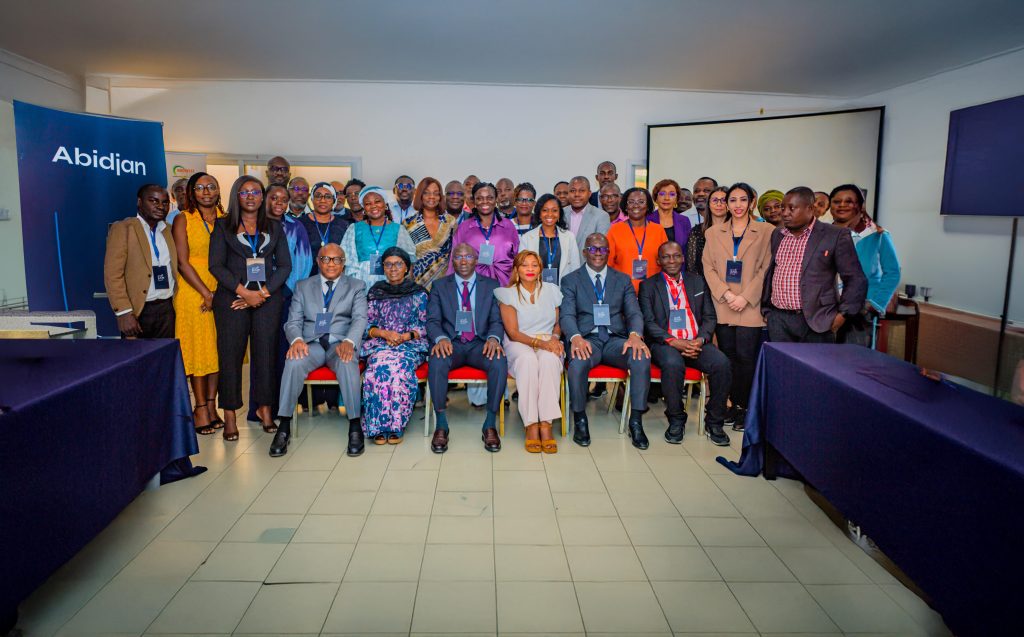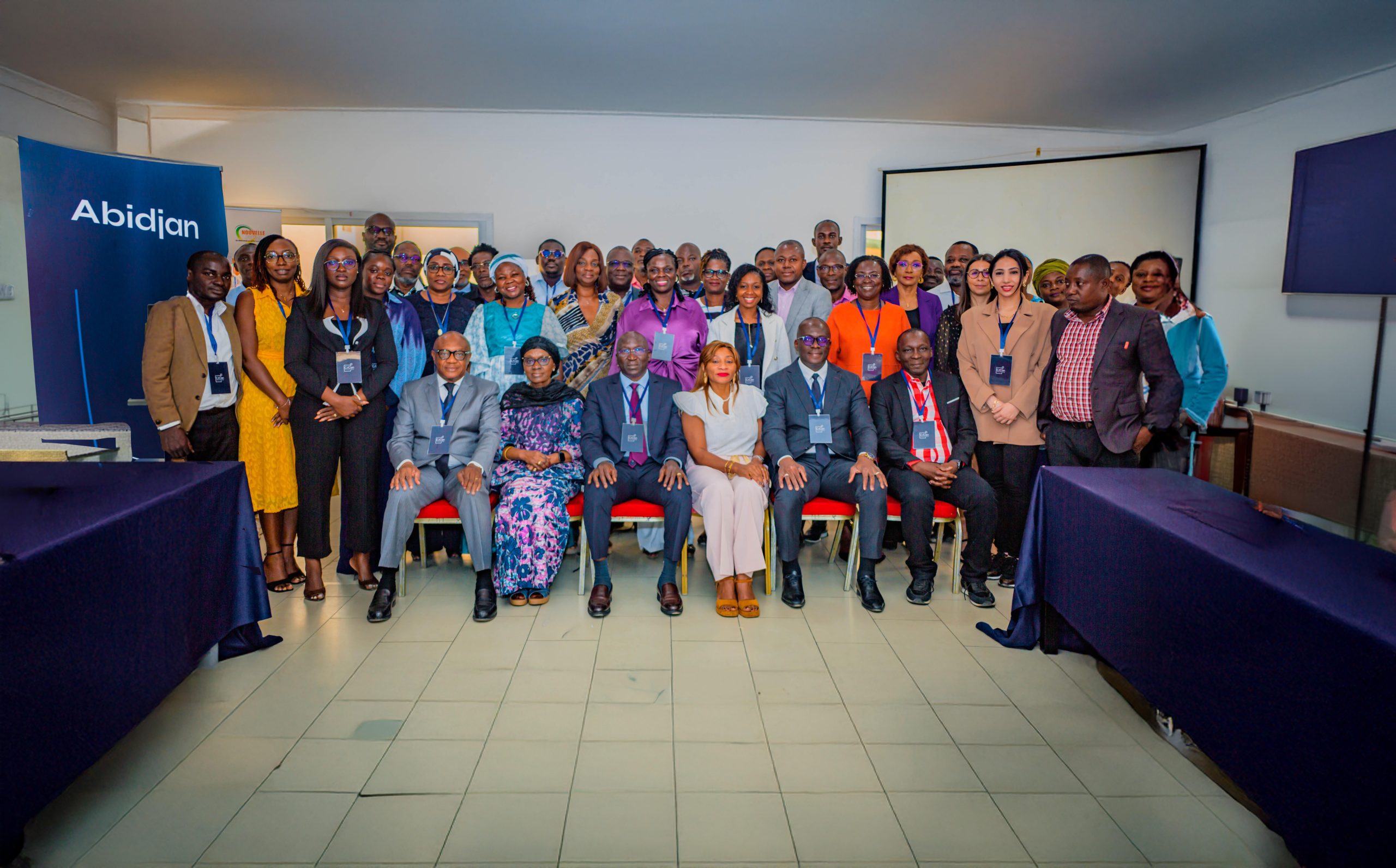
Key actors involved in cancer care across the city convened for a stakeholder mapping and engagement workshop as part of the collaboration between the Ministry of Health of Côte d’Ivoire and City Cancer Challenge (C/Can). The workshop marked the first major milestone in the City Engagement Process Framework (CEPF), following the Memorandum of Understanding (MoU) signed between the Ministry of Health and C/Can in July 2025.
As Côte d’Ivoire’s economic capital and largest urban centre, Abidjan concentrates the country’s main oncology services while also experiencing growing demand, urban inequalities and increasing pressure on specialised facilities. The city receives patients from across the country, further intensifying pressure on its specialised cancer services. In this context, strengthening coordination at city level is essential to ensure equitable access and continuity of care.
Bringing together representatives from public institutions, healthcare facilities, civil society, technical partners, development partners and the private sector, the workshop signalled the transition from commitment to coordinated action. Discussions reflected a shared recognition that improving cancer outcomes requires a structured, city-wide approach capable of aligning actors across the entire care continuum.
From National Commitment to Local Action
Opening the workshop, representatives from the Ministry of Health reaffirmed the Government’s commitment to strengthening prevention, diagnosis and treatment services through structured, inclusive, and locally driven mechanisms. They highlighted Abidjan’s collaboration with C/Can as a strategic opportunity to enhance coordination, optimise existing resources, and improve continuity and quality of cancer care, in line with national health priorities.
This workshop is a key step for us. It will allow us to identify together the essential actors, clarify the roles and responsibilities of each stakeholder, and above all build the trust and engagement necessary to move forward.
said Professor Soro Kountélé Gona, Director of Cabinet and representative of the Minister of Health, Public Hygiene and Universal Health Coverage of Côte d’Ivoire, during the Abidjan Stakeholder Mapping and Engagement Workshop.
As the first French-speaking city to join C/Can, Abidjan was recognised as having strong political leadership and the potential to serve as a reference point for cancer system strengthening within the West African region.
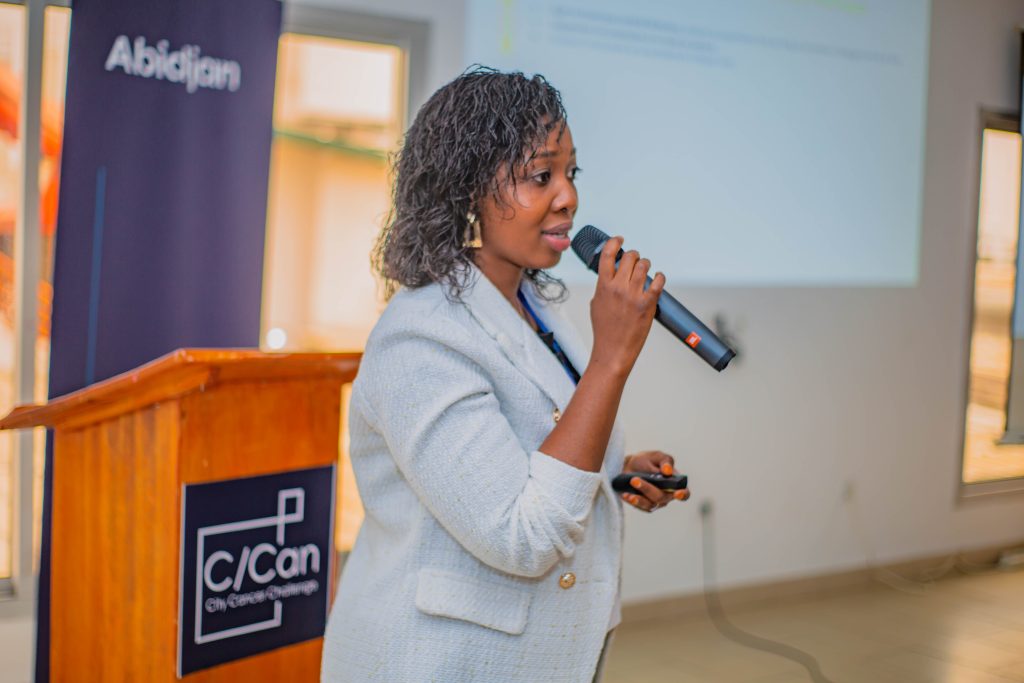
In this context, Sophie Bussmann-Kemdjo, C/Can Regional Director for Africa and Europe emphasised the broader significance of the milestone:
As the first French-speaking city to join C/Can, Abidjan is setting a strong precedent for collaboration, laying the foundation for sustainable, city-driven cancer system strengthening across West Africa.
Setting the Foundation in Abidjan
The workshop marked a foundational step toward establishing the governance structure that will guide the subsequent phases of the CEPF in Abidjan, including the creation of the City Executive Committee (CEC) and the City Technical Committee (CTC).
These bodies will play a central role in steering the process in Abidjan and ensuring that stakeholders across the cancer care continuum are represented. Their mandate will include overseeing the assessment, prioritisation, planning, design, and implementation of locally adapted solutions to strengthen cancer care delivery in Abidjan.
Civil Society Plays a Key Role
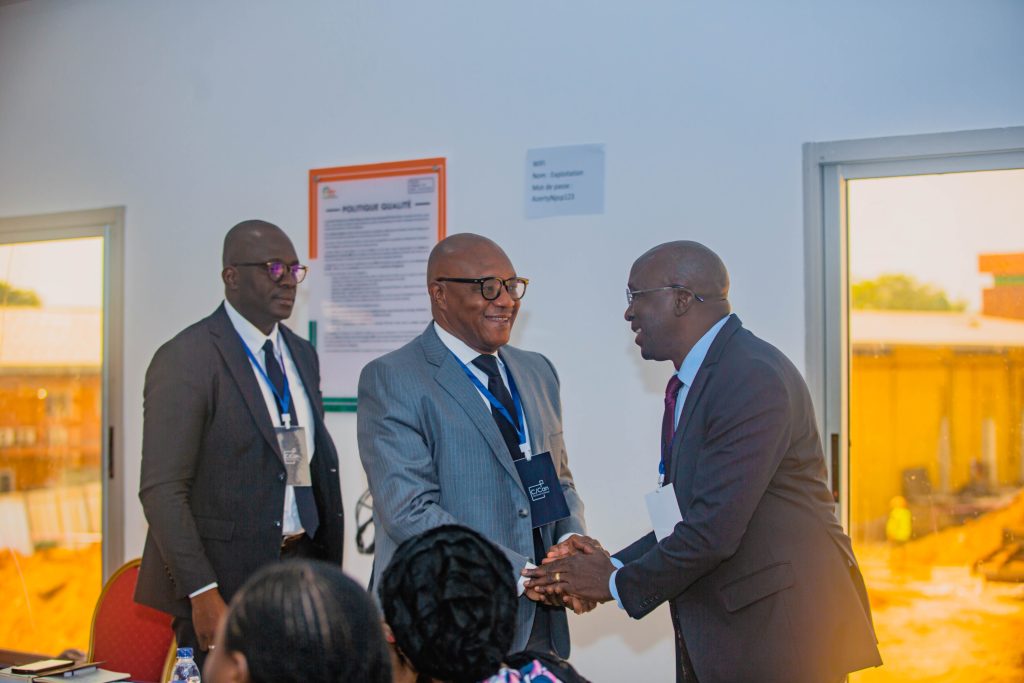
Civil society organisations played a central role in shaping discussions and ensuring that patient and community perspectives were meaningfully integrated from the outset. The Coalition of Cancer Control Organisations in Côte d’Ivoire (COLCC-CI) highlighted the importance of embedding patient voices in governance and decision-making processes. Their intervention underscored the need to strengthen patient-centred approaches and reinforce accountability within the cancer care system.
We came today as if to take an oath, to say: here is what we will do from now on to make this initiative a reality. Cancer does not discriminate; it knocks on every door. The challenge requires a collective effort, and that is exactly what we saw today.
said Maître Fadika Fatou, Coalition of Cancer Control Organisations in Côte d’Ivoire (COLCC-CI)
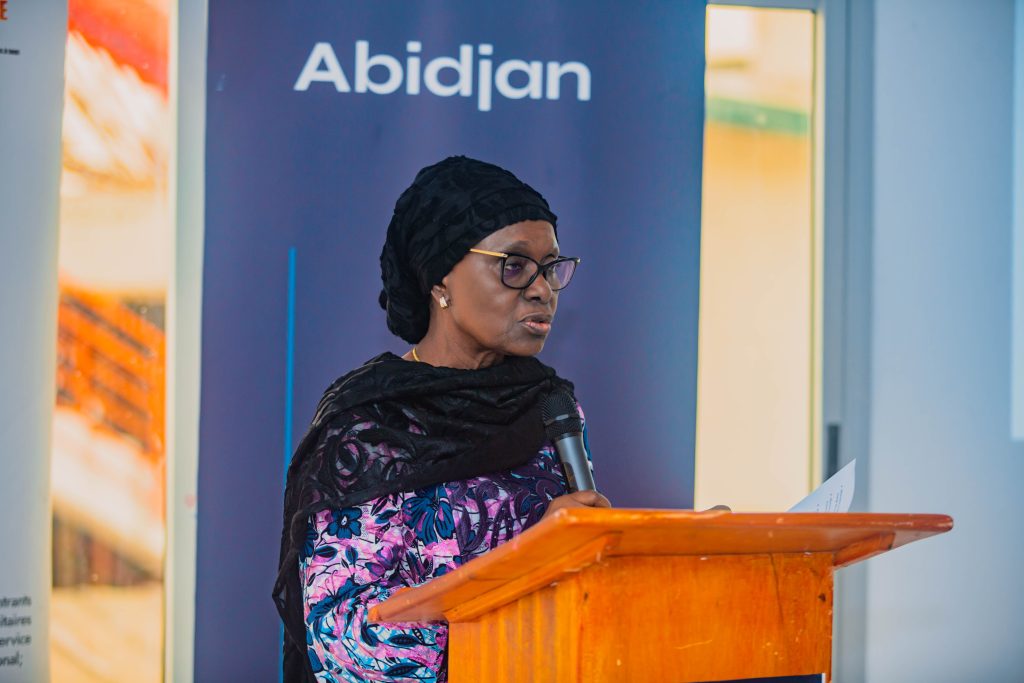
The Programme National de Lutte contre le Cancer (PNLCa) also addressed participants, emphasising the importance of alignment between C/Can and national cancer control strategies. Coordination mechanisms established through C/Can were presented as complementary to ongoing national efforts, particularly in reinforcing referral pathways, strengthening data use for decision-making and improving system performance at city level.
What struck me most was the clarity of C/Can’s presentation, we know where we are going, and that is what makes this truly promising. The establishment of a technical committee will allow us to address the right questions for cancer care in Abidjan, and we are confident that we are all working toward the same vision.
said Professor Adoubi Innocent, Director, Coordinator of the National Cancer Control Programme, PNLCa.
Mapping Stakeholders
Participants worked collaboratively to map key stakeholders involved in cancer care across the city. Through facilitated discussions, roles and responsibilities within the future governance bodies were explored, fostering a shared understanding of mandates, complementarities and areas of collaboration.
This participatory approach enabled stakeholders to identify common challenges, recognise existing strengths, and build shared ownership. It also laid the groundwork for durable partnerships that will support the design and implementation of future cancer care solutions for Abidjan.
Looking Ahead
The stakeholder engagement workshop represents a decisive step in Abidjan’s C/can journey. By convening key actors, establishing governance mechanisms and aligning local and national priorities, the city has built a solid foundation for the next phases of implementation.
As Abidjan moves forward, the collective momentum generated through this workshop will be essential to driving sustainable, equitable and high-quality cancer care improvements in cancer care. This process will also contribute valuable lessons for other cities across Africa and beyond.