Raising the Standard
Standardising Diagnostics and Multidisciplinary Practice in León
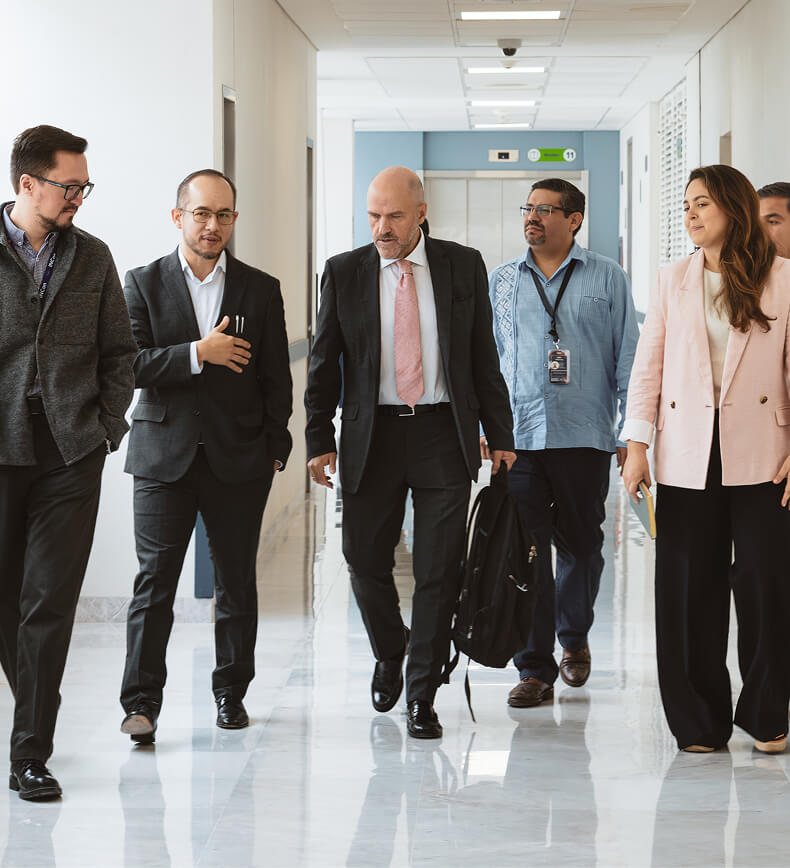
Quality cancer care relies on two clear foundations: diagnostic accuracy and multidisciplinary coordination. When pathology reports vary in completeness or clinical departments operate in isolation, patients face treatment delays, misaligned treatment plans, and variable clinical outcomes.
To elevate cancer care services to international standards, health leaders in León, working with C/Can, moved beyond individual facility improvements. By aligning public and private diagnostic laboratories under standardised protocols and building multidisciplinary care pathways, the city is embedding quality assurance directly into the daily clinical workflow.
Improving Pathology Diagnosis in León
Standardised reports give every patient a complete, reliable diagnosis, wherever they’re tested.
Accurate oncological treatment begins in the pathology laboratory. Historically, disparities in laboratory infrastructure, non-standardised reporting formats, and uneven access to specialised testing across León’s public and private facilities limited diagnostic consistency. Without uniform reporting, clinical teams lacked the standardised data required for confident, timely decision-making.
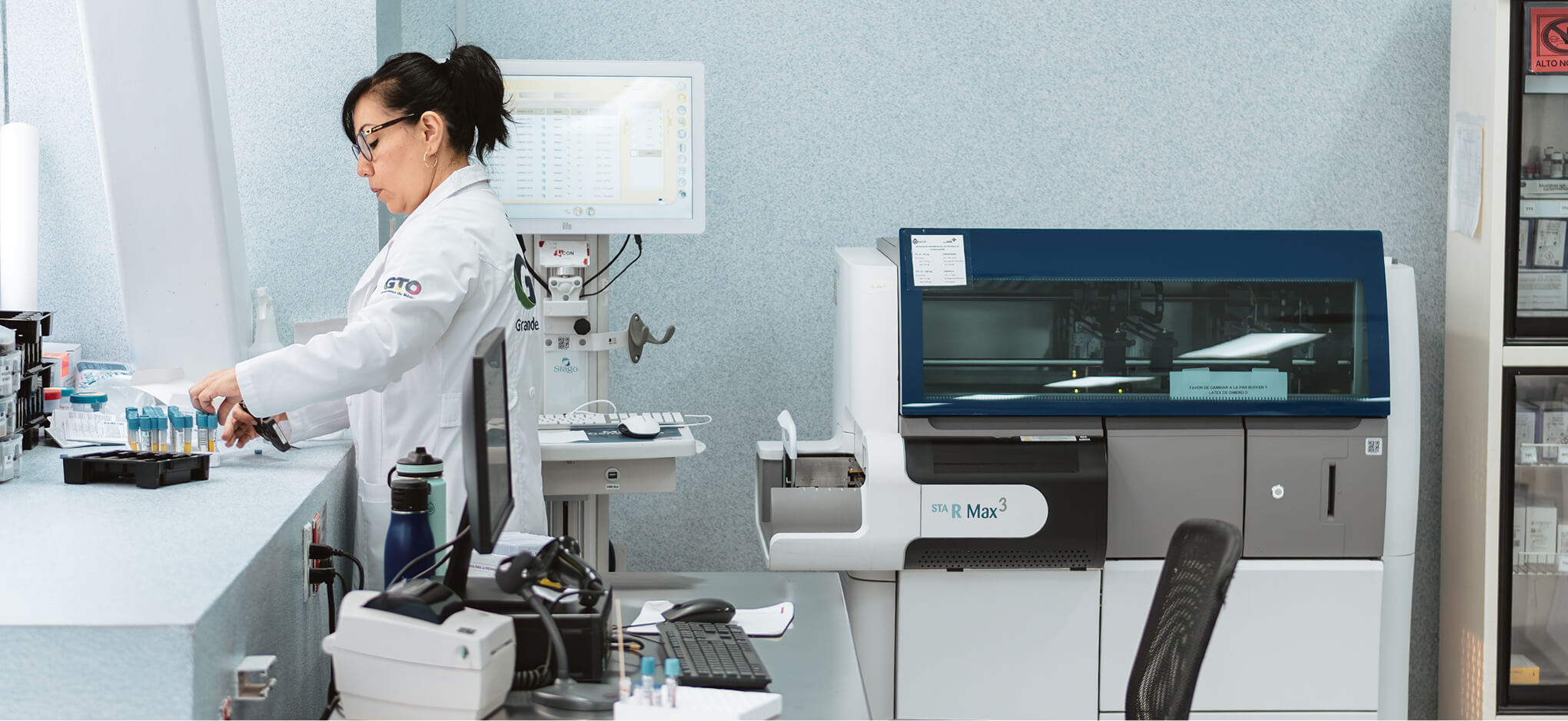
To solve this, a multi-institutional coalition of pathologists across public institutions, including IMSS, ISSSTE, and the General Hospital of León, and leading private hospitals, including Hospital Ángeles, Christus Muguerza, and Aranda de la Parra, spearheaded a city-wide initiative. Beginning with a comprehensive situational analysis of laboratory capacities, the city established standardised pathology reporting protocols for breast and colorectal cancers. Uniform reporting reduces diagnostic errors, streamlines laboratory workflows, and ensures every patient receives a complete, reliable diagnosis regardless of where they enter the system.
Quality Cancer Care Through Multidisciplinary Practice
Specialists planning care together means less variability and shorter time-to-treatment.
A precise diagnosis must be matched by a coordinated clinical response. In fragmented health systems, the absence of structured multidisciplinary care pathways leads to delays in treatment initiation, inconsistent application of clinical guidelines, and disjointed patient journeys.
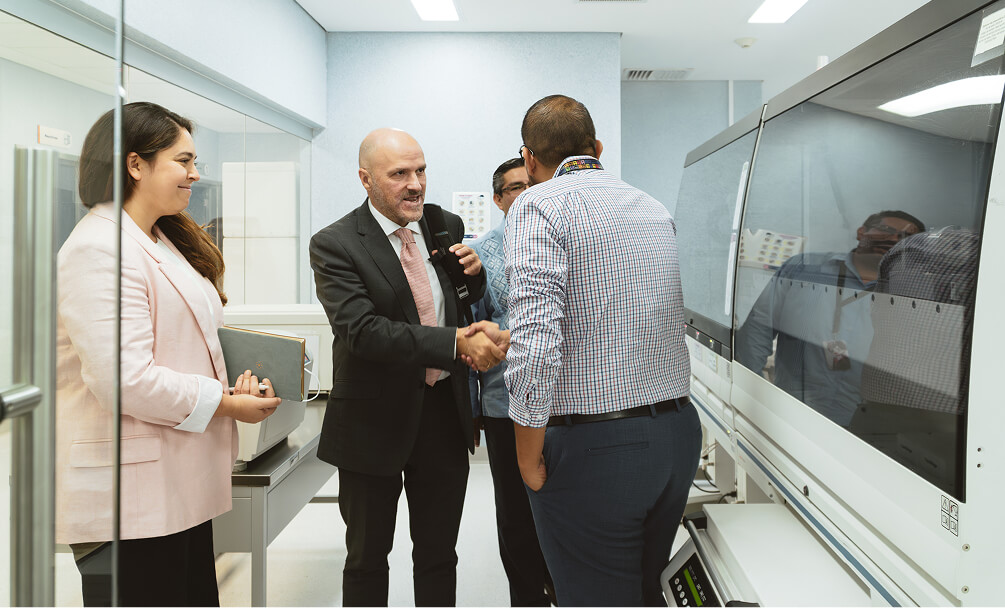
León, working with C/Can, is addressing this challenge by designing and implementing a multidisciplinary management model for breast cancer. Anchored at the General Hospital of León with academic and cross-departmental collaboration, this framework brings together surgical oncologists, medical oncologists, pathologists, palliative care specialists, nurses, and social workers. By institutionalising regular tumour boards and establishing standardised clinical pathways, the model reduces care variability, shortens time-to-treatment, and serves as a scalable blueprint replicable across other healthcare facilities in the city.
Health Systems Strengthening in Action
-
Health Service Delivery
Connecting standardised diagnostics to coordinated, multidisciplinary treatment pathways across public and private institutions.
-
Health Information Systems
Establishing a shared, standardised pathology reporting system across León’s public and private laboratories.
-
Health Workforce Capacity
Bringing pathologists across public and private institutions onto a shared professional standard, a foundation the city can build formal training and certification on.
Closing the Implementation Gap
By harmonising diagnostic accuracy with structured multidisciplinary team practice, and working with C/Can throughout, León is ensuring that quality assurance is not merely a theoretical goal, but an embedded operational standard. Connecting standardised diagnostics to integrated care pathways closes the implementation gap, delivering equitable, high-quality oncological care across the entire city.
Key Project Outputs
-
Improving Pathology Diagnosis in León
- Situational analysis of pathology laboratories in the public and private systems
- Standardised use of pathology reports for breast and colorectal cancers.
-
Quality Cancer Care Through Multidisciplinary Practice
- Design and implement with the collaboration of experts, local professionals and health authorities the mechanisms for multidisciplinary and inter-institutional collaboration and coordination for the management of breast cancer patients.
- Leverage expert academic input and institutional involvement in the design of a resource stratified pathway that will enable cross-departmental collaboration, improve the patient experience and create a model that can be replicated by other institutions in the city