Connecting the Dots
Strengthening Governance, Data, and Financing to Drive Systemic Change in León
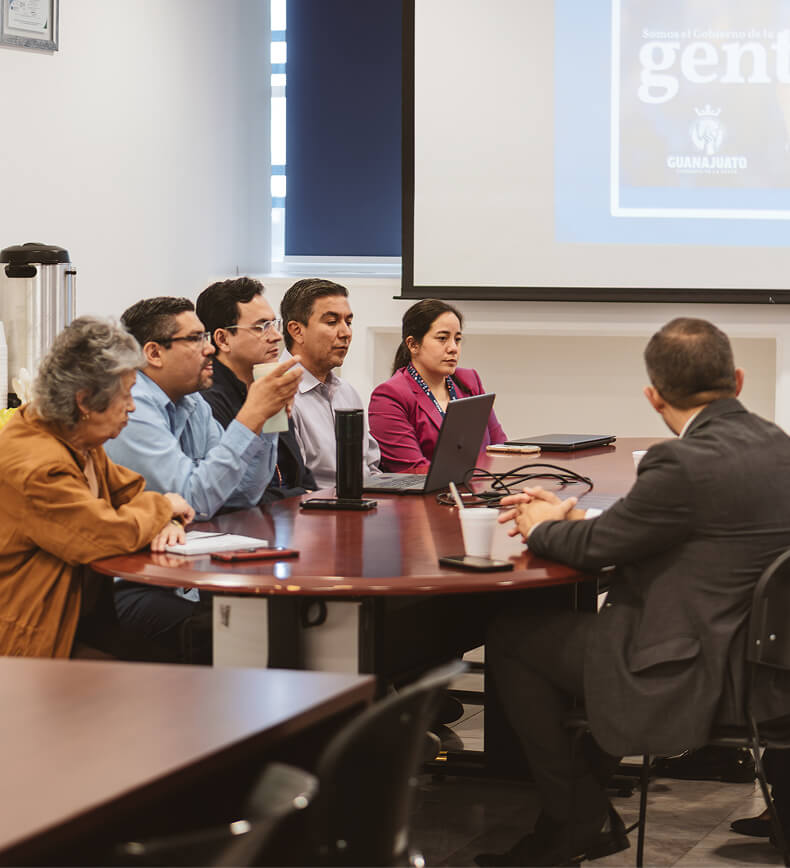
León, Mexico
A health system cannot deliver consistent, quality cancer care if its core operational components, data, financing, and inter-institutional communication, remain fragmented. In segmented health systems, providers often operate in silos, patient trajectories lose continuity, and catastrophic out-of-pocket costs push families into vulnerability. High technical capacity alone cannot overcome a system that fails to communicate.
To build a truly resilient health system in León, local authorities, academic partners, and public and private healthcare providers, working with C/Can, refused to treat administration, training, and financing as separate operational tracks. Instead, they built a unified strategy that addresses data fragmentation, financial barriers, and workforce coordination under one governance framework.
Strengthening Cancer Data & Information Systems for Coordinated and Quality Cancer Care
Stronger decision making comes from access to unified data.
Data is the foundation of effective health governance. Yet, across Mexico’s health subsystems, fragmented health information networks have historically limited patient data sharing and institutional coordination. Without a unified view of cancer incidence, service demand, and care quality at the city level, decision-makers are forced to plan in the dark.
León is tackling this challenge head-on by adopting the National Population-Based Cancer Registry strategy and conducting a comprehensive digital health mapping across local institutions. By establishing multi-institutional control mechanisms between federal, state, and academic actors, including IMSS and the National Institute of Cancer, León is creating a single, integrated registration framework. This unified data structure transforms isolated clinical records into actionable city-wide intelligence, driving evidence-based decision-making and improving care quality.
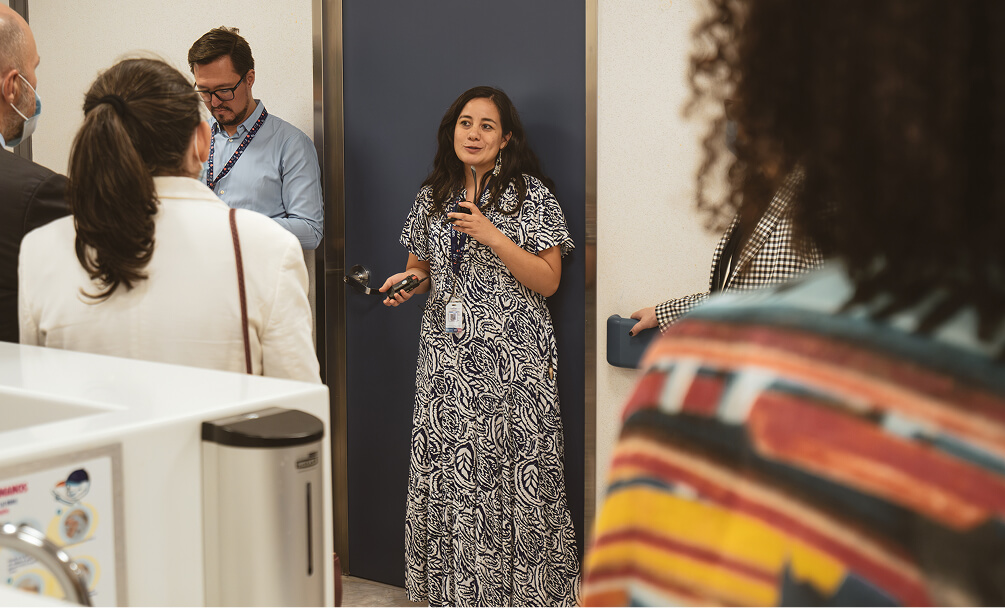
Understanding Out-of-Pocket Expense for Breast Cancer Patients to Improve Financial Coverage in the State of Guanajuato
With hidden costs quantified, patients can get better financial protection.
In Mexico, out-of-pocket spending accounts for nearly 39% of total health expenditure. For cancer patients, non-medical costs, such as transportation, short-term accommodation, and supportive care items, frequently create hidden financial barriers that lead to treatment abandonment or delayed follow-ups, even when clinical care is subsidised.
To protect vulnerable populations, health administrators and economists in Guanajuato launched a study to quantify hidden out-of-pocket expenses for breast cancer patients across state facilities. By mapping expenses across medical consultations, diagnostics, and non-clinical logistics, the team is building an investment project proposal and designing innovative public-private co-financing models. This evidence directly informs budget allocations to ensure financial protection matches medical coverage.
Improving Cancer Care Continuity Through Collaborative Health Systems Coordination in León
A new framework helps hospitals coordinate and equips healthcare professionals to support patients’ navigation.
Even with strong data and financial protection, patient pathways break down if health personnel lack clear inter-institutional communication. In León, surveys revealed that 71% of cancer patients reported receiving no information about their treatment, highlighting a critical gap in patient navigation and cross-hospital coordination.
To bridge this gap, León, working with C/Can, established a city-wide collaborative framework connecting public hospitals, private clinics, and municipal health authorities. Beyond socialising inter-institutional referral agreements, the city launched virtual training programmes for frontline healthcare professionals. This training equips first- and second-level staff to identify early cancer symptoms, manage treatment side effects, and guide patients through complex institutional networks.

Health Systems Strengthening in Action
-
Health Information Systems
Unifying fragmented registries and digital health data into a single, city-wide framework for informed decision-making
-
Health Financing
Quantifying hidden out-of-pocket costs to design public-private financing models that close coverage gaps.
-
Health Service Delivery
Connecting institutions and training healthcare professionals to close referral and communication gaps across the patient pathway.
Closing the Implementation Gap
By addressing data fragmentation, financial vulnerability, and workforce coordination as interdependent elements of system governance, and working with C/Can throughout, León is closing the gap between high-level health policy and daily patient experience. Strengthening these foundational building blocks ensures that management, education, and professional training directly power a more efficient, equitable, and sustainable cancer care system.
Key Project Outputs
-
Strengthening Cancer Data & Information Systems
- Adopting the National Population-Based Cancer Registry strategy
- Mapping digital health capabilities
-
Understanding Out-of-Pockets Expenses
- Quantification of out-of-pocket expenditures for breast cancer patients
- Investment project proposal to cover the gaps in breast cancer care for non-insurance patients
- Report of suggestions and recommendations for innovative financing models to reduce out-of-pocket spending on breast cancer in Guanajuato
-
Improving Cancer Care Continuity Through Collaborative Health Systems Coordination in León
- Document, strengthen and socialise inter-institutional services in oncological care to improve collaborations between institutions for the care of cancer patients
- Implement a virtual training program for early diagnosis and management of side effects of oncological treatment and follow-up for first and second level health personnel.