Beyond Fragmented Inputs
Building a Connected, Quality-Driven Cancer Care System in León

In health systems across many countries, ambition in cancer care often outpaces what can be delivered on the ground. Patients face delayed diagnoses, treatment bottlenecks, or fragmented care pathways, not because skilled professionals or services are absent, but because the system connecting them is not yet functioning as an integrated whole.
In León, addressing the availability of essential cancer care services required viewing the health system as a whole entity and assessing its needs accordingly. Local health leaders, private and public institutions, and multidisciplinary teams, working with C/Can, built a coordinated city programme to strengthen health service delivery and workforce capacity across three prioritised pillars of care.
Developing Capacities for Timely Detection of Childhood Cancer
León and C/Can equip primary care providers to catch childhood cancer earlier.
A system can only deliver timely care if patients are diagnosed in time. In Mexico, childhood cancer, with acute lymphoblastic leukaemia being the most common, remains a leading cause of mortality among children, heavily impacted by fragmented referral networks and missed early symptoms.
To close this gap, León focused on the foundation of the health system: primary care. The city is strengthening the capacities and competencies of healthcare professionals in childhood cancer, adopting new technology and evidence-based practices to speed up timely access, quality of care, and treatment.
Through targeted virtual distance-learning programmes, León is equipping healthcare providers at the primary level with standardised skills to recognise early warning signs of paediatric cancer and manage treatment-related complications. Strengthening early detection competencies creates clearer referral pathways, reducing diagnostic delays and connecting young patients to specialised care faster.
Elevating Specialised Care: Precision and Quality in Radiotherapy
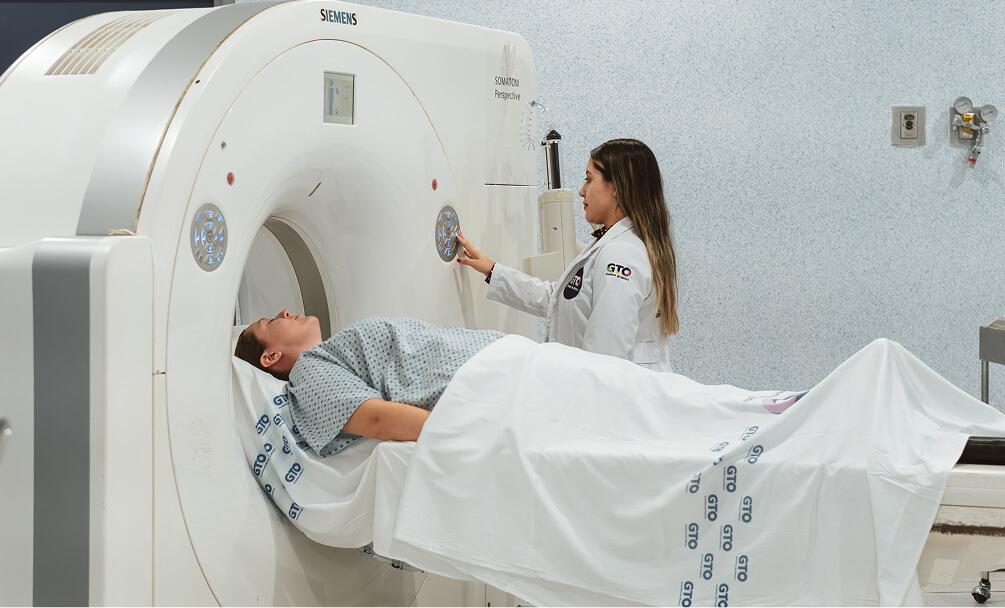
Training aligned with international standards ensures impact from new radiotherapy technology.
As León grows into a regional hub for high-specialty healthcare, ensuring equitable access to advanced oncological therapies is crucial. With new, state-of-the-art radiotherapy equipment entering both public and private sectors in 2026, León now needs to match that investment with adequate technical capacity and clinical execution.
León invested in its specialised workforce. Through comprehensive clinical training programmes aligned with international standards, including guidance from the International Atomic Energy Agency (IAEA) and the World Health Organization (WHO), local radiation oncologists, technicians, and dosimetry specialists are expanding competencies in advanced modalities, including Stereotactic Body Radiation Therapy (SBRT) and radiosurgery.
Synchronising quality assurance and calibration protocols across institutions is designed to ensure that high-precision care is safe, standardised, and accessible.
Humanising Care Pathways: Increasing Access to Palliative Care Services
A shared plan and trained teams bring quality palliative care to patients sooner.
True health system resilience extends beyond treatment to encompass patient quality of life at every stage of illness. While palliative care is a recognised legal right in Mexico, access across institutions has historically been uneven and confined to end-of-life stages.
León, together with C/Can and international experts, is transforming this model by developing a city-wide situational diagnosis and a comprehensive palliative care development plan aligned with the Compassionate City Charter. Supported by tailored training courses for multidisciplinary healthcare professionals, the city is shifting palliative support from an isolated terminal service into an integrated, patient-centred discipline that addresses physical, emotional, social, and spiritual needs early in the treatment journey.
Health Systems Strengthening in Action
-
Health Service Delivery
Aligning primary care detection, high-tech radiotherapy, and palliative care into a single, coordinated patient pathway.
-
Health Workforce Capacity
Training multidisciplinary teams across radiotherapy and palliative care to build and sustain quality standards independently.
-
Health Information Systems
Deploying standardised virtual training platforms to strengthen early cancer detection and referral tracking at the primary care level.
Closing the Implementation Gap
By connecting primary care providers, radiotherapy specialists, and palliative care teams under a shared vision, and working with C/Can throughout, León is demonstrating how cities can turn fragmented health inputs into a resilient, functioning system. This integrated approach ensures that every step forward in technology or workforce training translates directly into consistent, quality care at the point of delivery.
Key Project Outputs
-
Developing Capacities for Timely Detection of Childhood Cancer
Implement a distance training programme for the management of paediatric cancer at the primary healthcare level.
-
Radiotherapy Quality Improvement
Training programme in new technologies in radiotherapy, SBRT and other special techniques.
-
Increasing Access to Palliative Care Services
- Situation analysis of palliative care in León
- Introductory course in palliative care for healthcare professionals
- Development plan for palliative care services in the city of León.